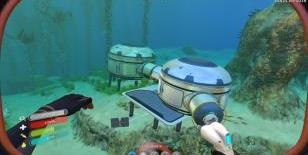
Recently I've been playing a lot of games built around randomized or procedurally generated design. Yet despite their generated content, I keep finding myself getting bored with them fast. As I thought about this in detail, I came to realize that randomized elements in game design can actually be categorized easily to explain their impact on a game.
Micro vs. Macro:
Randomized or procedurally generated elements are designed to mix up how a game is played multiple times. The more the game gets altered, the more replay value you can give the player. Now we've talked about when randomized design goes too far before: If the game is so random that the player's skill is no longer a factor in winning.
Digging deeper, we can break down how randomization works into two groups.
The Micro layer represents changes that impact the player short-term, but not the world itself or how the game is played. Some examples would be finding weapons in Diablo 3 and the level generation in Invisible Inc and Spelunky.
I know you're wondering why level generation is not an example of a big change. The reason is that the act of generating a level does not impact the basic gameplay of going through it. In Spelunky, the game can generate 50 different levels based on the jungle zone, but they're not going to change or alter the rules of playing. The same goes for Invisible Inc: The objective types and possible enemies remain consistent.
The macro layer represents elements that affect the randomization the game will generate or pull from.
Some examples: the environment types in Spelunky, Darkest Dungeon or Forced Showdown, the threat level and corporations in Invisible Inc and level environments of The Binding of Isaac.
These options change what the game's engine will use when generating a level, and in return, change how the player goes through it.
With Spelunky, each zone changes the environmental obstacles and enemy types that can be seen. Macro changes are those that impact the procedural level of the design, and micro is at the randomized layer.
To put this another way, imagine a theater house. The micro layer would be costumes, backgrounds and actors, while the macro layer would be the script or play itself. You can have different actors and backgrounds that would change things up, but they wouldn't change the story of the play. That last point is important, and why many randomized or procedural games can become repetitive.
Changing Costumes:
There is a common misconception that if a game has randomized elements that it can keep being played and remain fresh for the player. However, the more time spent playing games built around randomization, the more I realize that that's not true.
Micro layer changes simply don't extend the replay value of a game. The reason is simple: They're just window dressing. The situation itself or what the player is doing is not going to change based on micro layer variations.
In Shadows of Mordor, while the nemesis system is brilliant for providing new enemies to fight, it doesn't change the base mechanics of the game.
The same problem can be seen in Diablo 3 in terms of maps. No matter how many random maps the game generates, it doesn't affect how I kill enemies.
Without new game systems or massive changes, the game simply doesn't have replay value. This is why games like Clockwork Empires, Rimworld and Prison Architect are all about adding and refining game systems.
Adding 50 new pieces of furniture that the game can spawn is not going to change things up. On the other hand, having alternative power sources or living conditions can change everything around.
One final example would have to be the survival genre. Surviving in these games is all about the priorities: Food, water, shelter, weapons. It doesn't matter how many random animals, events, or environments the game has. Everything about playing the game flows from the basic survival, which locks the game into a set routine.
You can say the same thing about min/maxing in strategy games. If I know the best way to build my city or army, then it doesn't matter how many micro layer changes the game throws at me. With that said, let's talk more about the macro layer.
Mixing Things Up:
Macro layer changes are similar to hard choices from my post on choices in game design. Macro layer events or situations will radically change how the game is played or the player's situation. A new biome in a game would be an example of a macro layer change. The macro layer is about forcing the player to change how they play or interact with the game.
Going back to the survival example, let's say instead of only having one source of food, the game could spawn four. Each food source has a tech tree item attached to it and a means of cooking it. So, even though food is always required, how I get it and use it would be different.
The more macro layer changes you have in your game, the more variations can grow from it. I know that some of you might be thinking, "Let's just keep adding macro layer content to our game," but it's not that simple.
Like hard choices in games, macro layer variations all have to be balanced with every system of your game.
And going further, when you start combining macro layer changes, the complexity grows even more. You need to be mindful of creating unwinnable conditions depending on what the game throws at the player. This is why you need a well-defined algorithm for world generation.
Just throwing everything at the player for no rhyme or reason creates a random, but disjointed experience. There is a lot of work that goes into keeping the player guessing and making sure things make sense.
Not so Infinite Replayability:
As we've talked about, the type of randomized or procedurally-generated elements in your game will ultimately determine the replay value. You may be able to split hairs and say that you game can generate hundreds of variations, but if they're all played the same exact way, then what's the big deal?
This is why the games that keep people coming back are the ones with macro-layer changes. With that said, there is no such thing as an infinitely replayable game, but the right game can get pretty damn close.

Microsoft announced its financial results for Q3 of fiscal year 2026, including an update on its gaming Xbox business and more.

Not looking good. Hopefully Asha Sharma is able to turn Phil’s disaster around.


To me it's still quite remarkable how they can cash-in 5.3bn in revenue in a single quarter, since their hardware is basically dead.

The charity event will be streamed live from Gamescom in August.
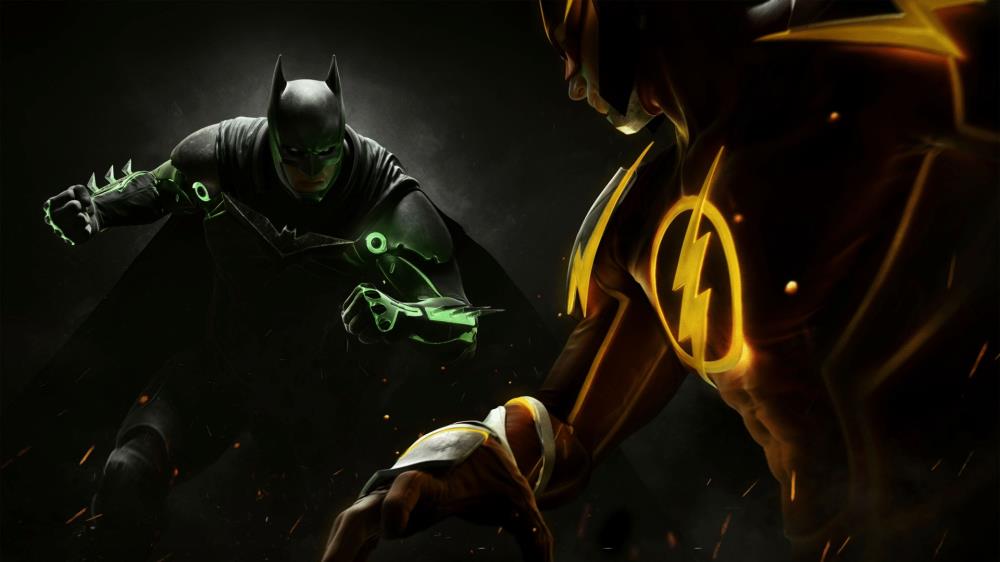
Thanks to the slip-up of an artist working on the title, we now have more evidence that a new Injustice game is in the works.