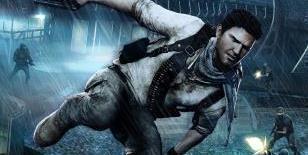
If you are a PS4 owner you’ve probably played Uncharted:The Nathan Drake Collection or you’ve probably started playing Uncharted 4. So here is some trivia for you about the franchise, some things you probably didn’t know. It’s obvious that Naughty Dog was heavily inspired by adventure movies and shows while developing it’s first part. After the game was announced at E3 2006, it was compared a lot to Tomb Raider. It even earned the title – Dude Raider.
Since the developers wanted to target mature audiences, they put real people in real scenarios, doing away with cartoony graphics. The lead, Nathan Drake was meant to be an everyday guy that people
could relate to. He’s an average joe. The protagonist is evident throughout the game. Every times he
makes an impossible jump or is faced with an extreme scenarios. There are subtle touches to the
gameplay as well. The studio wanted the game to look realistic, the team decided to work with motion capture throwing
away the idea of Keyframe animation. Traditionally, a different actor voices the characters and the motion capture is done by someone else. Naughty Dog decided to go with the same actors for voice and motion. A downside to this during the
production of Uncharted was that the motion capture studio wasn’t sound proof and the voices had to been re-recorded.
For some complicated scenes like melee, the studio shifted to keyframing.
All the cutscenes in the Uncharted games are made using the in-game engine to maintain consistency.
All the water effects, fire, rain, shadows and shading are from the in-game engine. The ocean level in
uncharted 3 had no preset structure. It was generated in real time.
The show stealing sequence was a train sequence in uncharted 2, which is by far one of the most
cinematics moments in gaming. The fact that the environment changes as you traverse through the train
sequence in the game is called ‘dynamic Object Traversal System’. The same tech was applied to the
crashing hotel sequence in it’s part 2. One of the bugs in the moving train sequence was that the grenades thrown by the players initially would fly back in their faces. Targeting enemies also lagged a lot in this sequence. With the success of the franchise, Uncharted 4 was inevitable. When Uncharted 4 was demoed at E3 2015, nothing happened. Nate did not move and the Naughty Dog team were forced to reset the entire
thing to get it working properly.
Developers struggle day and night to make games like Uncharted.
Microsoft announced its financial results for Q3 of fiscal year 2026, including an update on its gaming Xbox business and more.


Not looking good. Hopefully Asha Sharma is able to turn Phil’s disaster around.


To me it's still quite remarkable how they can cash-in 5.3bn in revenue in a single quarter, since their hardware is basically dead.

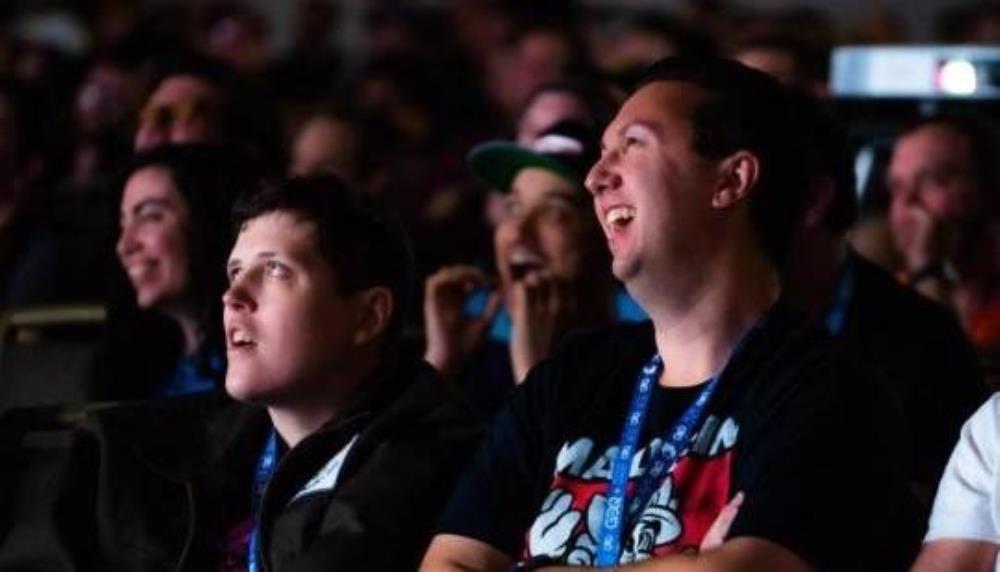
The charity event will be streamed live from Gamescom in August.
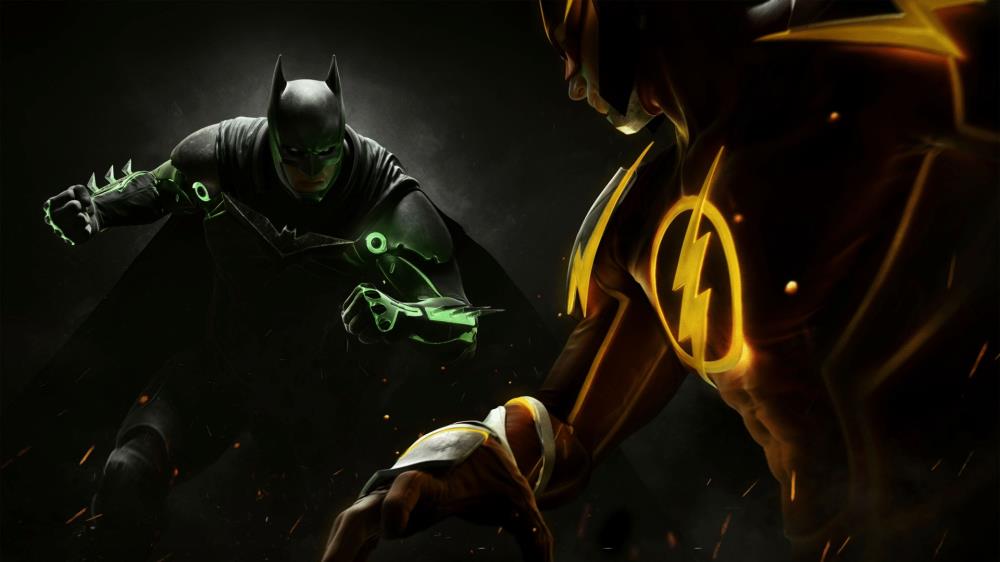
Thanks to the slip-up of an artist working on the title, we now have more evidence that a new Injustice game is in the works.




My all time favorite game franchise!