1Up:
If you're anything like me, hearing the word "Kinect" immediately brings to mind images of people embarrassing themselves as they foolishly pantomime various actions in the middle of their living rooms. Honestly, using theatrical gestures to control a video game has very little appeal to me. There are some obvious examples of experiences that benefited from the use of motion controls, including The Gunstringer and Fruit Ninja Kinect. These games succeeded on a design level by providing simple and immersive pleasures that quite frankly could not be replicated via a controller. Sadly, most Kinect titles end up transforming into frustration simulators (yes, we're looking at you, Kinect Star Wars). With the news that Bethesda was preparing to release a patch for Skyrim that weaves Kinect functionality into the game, many of us worried that we'd end up looking like jackasses as we played through one of 2011's finest titles. Thankfully, these fears were quickly squashed when we saw how refined and subtle the new non-traditional method of control is in Skyrim.
A new Skyrim Switch 2 update delivers major visual upgrades, surpassing some console settings, but locks the game to 30fps and introduces noticeable input lag.

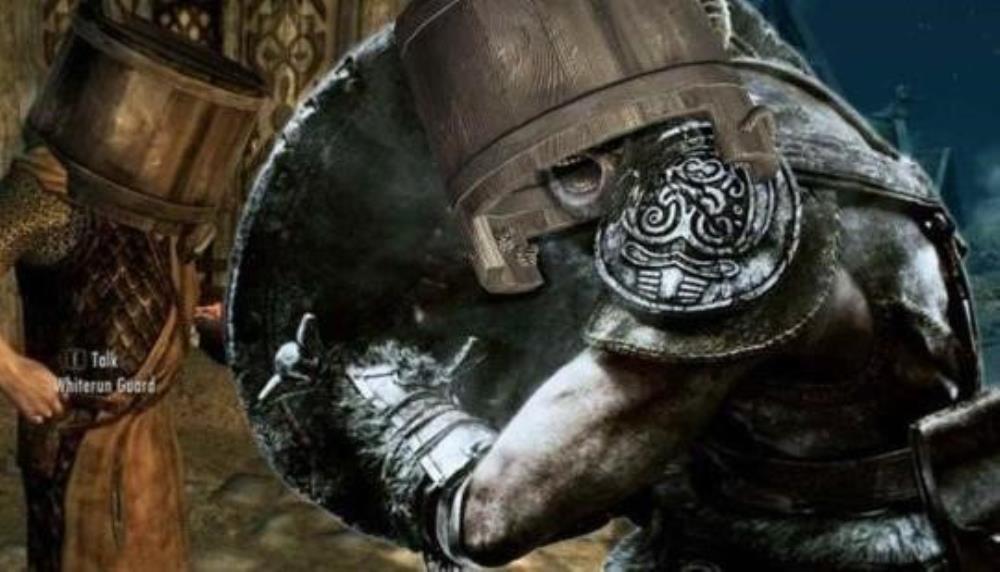
The Elder Scrolls V: Skyrim lead designer Bruce Nesmith explains that the game's bucket stealth was an unintended feature of the game.
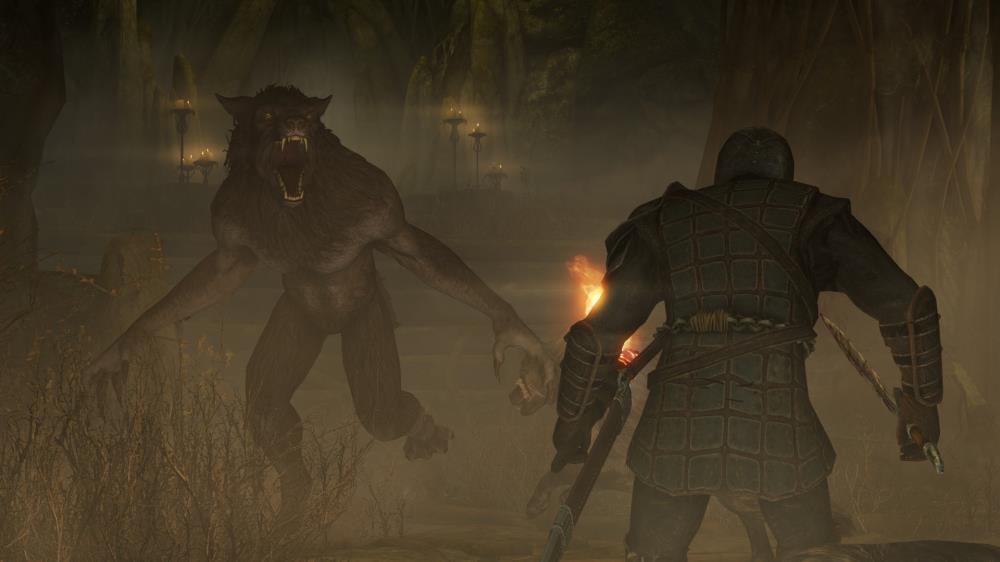
Lordbound is finally here.




Another dumb article. Who approves this stuff?
Good article. I didn't know how Kinect was being implemented, but Skyrim looks to be the first game that really gets it right... Mostly by not using it though. It was smart to just use voice commands.