NVIDIA rolled out the DLSS 4.5 update at CES last week, adding 2nd Gen Transformer-based Super Resolution technology for all RTX GPUs. The performance scaling varies wildly across the older (RTX 20/RTX 30) and newer (RTX 40/RTX 50) GeForce RTX lineups. We tested NVIDIA’s next-gen upscaling solution across Cyberpunk 2077, Black Myth: Wukong, Oblivion Remastered, and KCD 2.
Microsoft announced its financial results for Q3 of fiscal year 2026, including an update on its gaming Xbox business and more.


Not looking good. Hopefully Asha Sharma is able to turn Phil’s disaster around.


To me it's still quite remarkable how they can cash-in 5.3bn in revenue in a single quarter, since their hardware is basically dead.

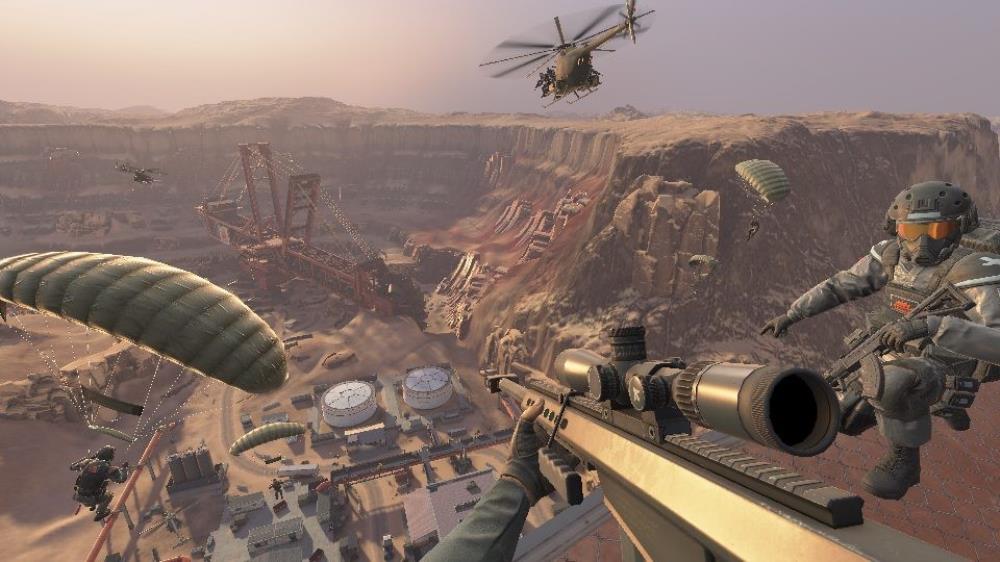
TG writes: If you’ve ever wanted that chaotic, large-scale modern warfare feeling from Battlefield but in full VR immersion, Forefront delivers it better than anything else currently available on Quest.






I've been surprised by this, the difference between 4 and 4.5 is very noticeable. It's almost completely or has removed that weird dark ghosting that you'd get in foggy games like Silent Hill 2... and Cyberpunk mixed with a high res texture pack is jaw dropping in ultra 4k.
Also if anyone doesn't know I recommend DLSS swapper, it allows you to inject the latest DLSS version into older games.
Quite amazing. But, this does probably mean devs will depend on ai even more for their supposed optimizations lol.
no offense to AMD, but this sort of stuff shows that they are always going to be playing catchup. I guess Nintendo can take advantage of some of these features.
"Better than native."
Native 4K in nearly all games nowadays is actually native resolution with forced temporal anti-aliasing.
TAA smears and blurs frames together to soften jagged edges.
Of course DLSS makes games look "better than native" because native alone without any competent AA methods makes games look horrible.