
There is a serious issue with games journalism, between corruption, collusion, and an utter disdain for gamers something needs to change.
Script:
First let me address the elephant in the room, this is not about Gamergate. You don’t need to be part of that group to realize there’s a huge multi-headed problem in the game industry concerning what passes as journalism. If you ignore this, dismiss it, or make a joke about “Oh yeah it’s about ethics in games journalism” you are part of the problem. There has been a problem for years, essentially since the inception of gaming, that has only gotten worse. The amount of disdain that gaming sites seem to have towards the people who actually play games is just overwhelming at this point. It shows in reviews, it shows in editorials, and it shows in how they present the community. It all helps perpetuate a completely broken system.
Unfortunately the system is so broken that there are multiple parts and issues to deal with. First and most damaging is the money. They always say if you want to find the source of a problem follow the money. Now Posting on the internet, hosting a website, and employing people isn’t free. This problem doesn’t concern the normal cost of doing business. This is concerning the tactics used to manipulate the traffic for monetary gain. What I mean by that is the proliferation of what is known as clickbait. They write articles or headlines that are intentionally misleading or controversial just to drive traffic to the site. Part of the human condition is being attracted to disaster and negativity as well as the absolute belief that our opinion is the correct one and needs to be shouted to the world. This isn’t terribly offensive but it’s still a contributing factor to the overall problem.
A bigger issue that is a series problem, is game journalists cozying up to games publishers. Now thankfully primarily this isn’t pure collusion, which I’ll get to. It’s usually just done by putting relationships with the publishers ahead of consumers. Whether they believe it or not, whether they accept it or not, games publications have a duty to the consumers. They exist to inform the consumers who are spending hard earned money on products. They do not exist to promote or serve the games publishers, that’s the job of PR. That said, it can be at times a difficult situation for journalists, especially ones who are actually enthusiastic about the games. What I mean by that is, it’s hard to push a game you love without seeming like you’re in bed with the publisher or developer. Pushing a game you love however, is not a problem, until you write a review and ignore any flaws that others might perceive.
This is one of the biggest issues with the perception of games journalism today and any critical medium. The idea that a review is merely just an opinion on something and can never be objective. This is only partially true however, especially when talking about video games. Reviews exist not as just a platform to push an opinion, that’s why editorials and opinion pieces exist, but to inform a consumer of the experience. Yes at the end of the day their is bias, the tone will always be determined by the writer’s feelings on the game, but to let that bias get in the way of being informative is dangerous and dishonest. Essentially if a reviewer has such strong feelings on a game before even playing it or is connected in some way they should excuse themselves from the review. Most major publications that people are following have a pool of talented writers to draw from. A person who hates fighting games has no business reviewing a fighting game. A person who is friends with a developer of a game also has no place reviewing that game, at least not at a major publication.
Gaming sites and games publishers will always have a symbiotic relationship. Unfortunately this can sometimes leave consumers out of the loop. This happens when a journalist decides to either hide information that is damaging towards a publisher or publish intentionally misleading information that paints the publisher in a good light. Now this may at first seem horribly offensive, and the solution might seem obvious but the situation is a bit more delicate. If a journalist publishes that info or for example breaks a review embargo, something I talked about before, then they risk losing any connection to that publisher. This may result in the loss of early review copies so the journalists can have reviews day one or earlier to inform the consumers. However with review embargoes becoming the norm this is becoming irrelevant anyways.
The worst of it though is actual corruption among games journalists. This takes many forms however, mostly through nondisclosure. This is a proven issue within games journalism that has ranged from personal to business to everything in between. It’s understandable that game journalists especially at bigger publications are going to cross paths with developers and others in the industry. This is not a problem in itself. Neither is games journalists being close friends with people working on the games they’re writing about. The problem lies when these relationships are not disclosed. This is especially harmful to the consumer and goes back to what I said about bias. It is almost impossible to write an article, especially a review, that is informative and critical when you have a personal investment in the subject. The solution is very simple to this. Again the relationship itself is not the issue, the issue is disclosure. In a bigger publication the review should be handed off to someone else. At the very least, and for smaller publications, a mention of the connection should be made at some point during the article or review. Consumers deserve to know about anything that may influence the review outside of the game itself. That is something that is ethics 101 and it’s not a difficult thing to do. Even if you believe you can be unbiased, you probably can’t.
People like to dismiss calls about ethics in games journalism because the mainstream media, and the public in general refuse to take gaming seriously. Despite evidence to the contrary, gaming is seen as a childish hobby for failed teens and middle aged men living in their mom’s basements. So no one cares about whether or not games journalists are being held to the same standard as outside journalists. It’s sad but it’s true that this is how it is. Some of us gamers are not ashamed by that title and care about our industry and the problems within. We would like to better it any way possible. That’s what this series is about and what this video is about. The system may be broken, but we can fix it.
Microsoft announced its financial results for Q3 of fiscal year 2026, including an update on its gaming Xbox business and more.


Not looking good. Hopefully Asha Sharma is able to turn Phil’s disaster around.


To me it's still quite remarkable how they can cash-in 5.3bn in revenue in a single quarter, since their hardware is basically dead.

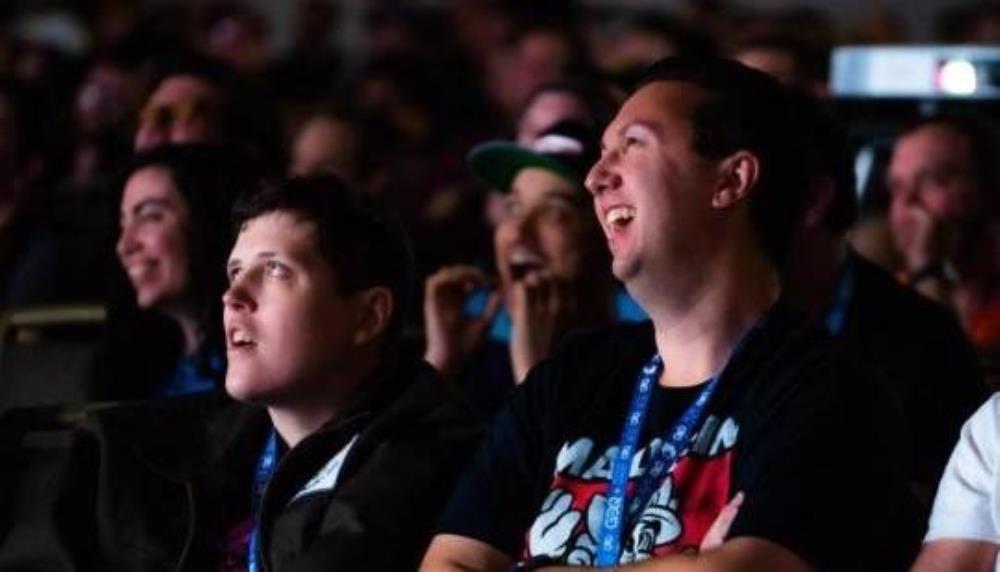
The charity event will be streamed live from Gamescom in August.
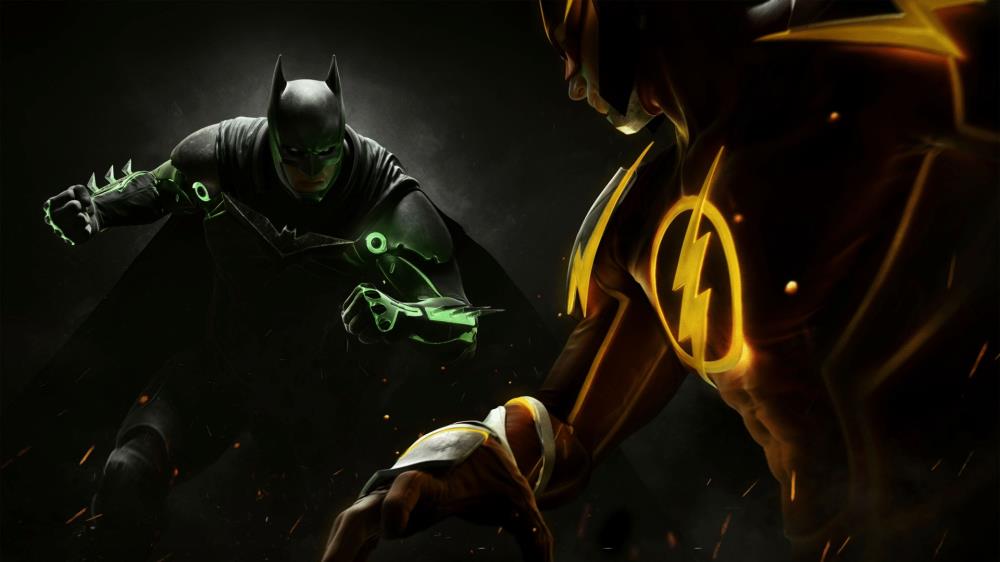
Thanks to the slip-up of an artist working on the title, we now have more evidence that a new Injustice game is in the works.




Can't agree more. I'll have to read the rest of it, so i'm not sure if you mentioned this. I also believe that the consumer also plays a roll in this as well. Fanboys will go to any website to support their own arguments and views. So it feeds in on itself with both sides supporting the other no matter how absurd. I can't think of to many groups outside of gaming that have such a blind loyalty to a brand. This affects the journalism and brings in sharks looking to make money. It reminds me of the tabloids.....Will read up on the rest, but it's refreshing to see someone write about this issue.
Yeah if you watch Youtube thru your PS4 ,PS3, XBOX1, 360 using the Youtube app. you have no description of the video ,just the title. So if there is disclosure info in description , the viewers can not see read it.
As someone who reviewed music and did music charts for over 25 years working with record labels . I never sold out . That is why my charts got millions of downloads . I was offered from record labels fancy dinners , concert tickets ect._ Turned them down to keep my integrity . That is why i trust Totalbiscuit , Jeff Gertsmann and the Giant Bomb crew, Super Bunnyhop and a few other others.
There are a lot of honest video game reviewers on the internet and Youtube . It is up to us consumers to find the them.
And one more thing . I kind of feel spoiled today because from the early 80's till the late 90's you had to rely on Box Art, a few lines of the games description on the box or a article in a video game magazine to find out info on a video game.
The problem right now is that the game journalists have been cozying up with developers who ALSO engage in radical identity politics, and have known how to use that kind of status to push the game journalists into coddling to them. For instance, we've seen absolutely nothing said by these publications about the recent censorship in the localization of Fire Emblem Fates, and praise to Tecmo for not releasing DOAX3 in the States. This is because of yet another situation in which those very same game publications who had once defended gamers when people said violence in games causes violence in real life are suddenly siding with those that were using the very same correlation equals causation when it came to misogyny in games. They armed up with those that knew how to villainize anyone that dared to criticize even a single letter about their take on sensitive social issues.
That's part of why you see Gamergate existing right now: it's when those two things intersected that you began seeing a much bigger situation. Anyone who dared to talk about possible collusion between publishers and journalists got lumped into the boogeyman group. They became friends with those like Anita Sarkeesian, Zoe Quinn, and Brianna Wu. They were scaring people into not talking about ethics because of the fear of being branded as bigoted, hate filled monsters that wanted to drive women out of gaming, even if the person in question never uttered any of those names or anything even remotely associated with Gamergate. This followed by EVERYONE getting accused back and forth about everything. Milo Yinnapolus' involvement added the "liberal vs. conservative" aspect to it that I think the feminist game developers who also took part in the nepotism were craving to be introduced. As much as people think he helped by exposing the GameJounroPros list, his history, his political leanings and beliefs, and the site he writes for, became part of the story.
The main problem is that those that have said that Gamergate is Satan are those that were implicated in acts of nepotism. Those such as Kotaku (who were at the epicenter of the beginning of the newfound focus of the entire epidemic) and Polygon were the ones that made the "Gamergate is a harassment campaign by proxy" and guilty by association claims. The very same sites that were found to be two of the guiltiest sites that engaged in nepotism. The Quinn and Grayson thing (which is, to this day, misinterpreted in a variety of ways as to what actually happened and what gamers were actually upset over in that one, and probably purposely with malicious intent) was just a blip on the radar, but that, as well as the mass censorship to those that criticized those involved in any way whatsoever, was the straw that broke the backs of many (and if Quinn never issues the DMCA of MundaneMatt's video, and if the Reddit thread about TotalBiscuit's take on the whole thing didn't get comments nuked into the ground...and if we were just able to criticize the way Anita framed her arguments without publications crying foul every time anyone tried, we would not be here talking about this right now because things would've been done moreso than the small things that have been done).
That's why this subject has become sort of toxic to talk about. It's not because of any of us who WANT to discuss it. It's the people that begin to get into hysterics whenever it IS brought up. When you get that much of an effort to recluse of wrongdoing because you don't WANT to disclose personal relationships with developers because you are more greedy than passionate, then you have a bigger problem than just being unethical.
Very nice read. I wish we could have more in the same tone and specially in the comments on N4G that should focus more on questioning and debating gaming sites articles instead of endless fanboy wars.
I think a good example of what's wrong in gaming journalism is the way so many gaming sites and every other random opinion pieces went on trying to generate traffic and clicks with an all out negativity on the back of Shenmue kickstarter writing unverified or outright misleading information not giving a dam about what damage it could result for gaming
I have three blogs here on N4G that address this very topic.
One of the funniest reactions, when these journos are called out for it, they are immediately the most defensive... especially when their critiques are critiqued.
These non contributing zeroes suddenly become defensive about their biased review and when called out they over-react.
Great read by the way. Well said.