
Software Development Cycle
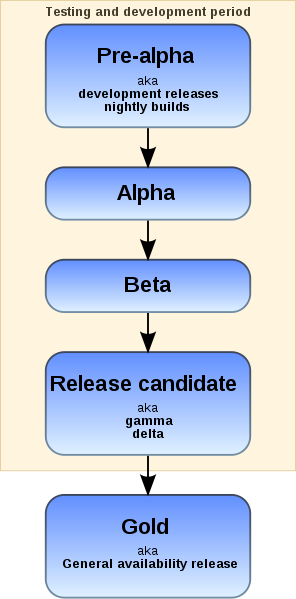
Hey, man relax that game is only in its pre-alpha stage it's too early to tell if the game is going to look good or not. I just can't wait for the public beta testing, which is going to be amazing because I can get my hands on the product for myself. True, but I just hate when we're waiting when they're on the Seigo Stage because at that point we're just waiting for the release of the game. If that sounded kind of confusing this blog will clear things up for you when I talk about the different stages of a software development cycle. The stages include pre-alpha, alpha, beta, seigo stage, release candidate, gold, and end of life.
Pre-Alpha
The pre-alpha stage is more like a testing ground of what they (developers) want to implement into the final game. The big difference between the alpha and beta versions the pre-alpha isn't feature complete. With these models they don't spend a considerable amount of time yet it does take time to do that can cause many late nights refining it. There are seven types of pre-alpha builds that can go underway and two of them are milestone and nightly builds. For the most part when talking about video games it's most likely a milestone build that means specific set of functions and is released when the functions are complete. Nightly builds are generally built over night that allows testers to test the new functionalities and bugs that may come with it.
Games in its pre-alpha stage:
Crysis: Pre-Alpha Multiplayer Gameplay, Killzone 2: E3 2007 On-Stage Demonstration, 2 Days 2 Vegas, Heavy Rain: The Origami Killier: E3 2K6 Tech Demo HD
Alpha
The alpha release is basically when the testers get their hand on the product and is usually different from the software engineers. These testers check to see how good the quality the game is and to speed up the process companies can have value-chain partners or external customers in the alpha phase. They will use different techniques to test the product to make sure it's up to snuff.
Beta
This is the first version of the game that is released to a private or public community a.k.a. the Beta testers. These people can be selected by the company themselves or released out to the public with limited quantise / time. This can also be called a closed beta (private / selected) or an open beta (public). The company can charge you to be a beta tester or it can offer to you for free whichever the case is you're doing this for free. The purpose of a beta tester is that they provide feedback to the company about the product and if there's any bugs it can be fixed. This is the soul reason why people shouldn't judge a game with a beta version like people did with Halo 3.
Games / Features in the beta stage:
Halo 3: Beta Interview HD, PlayStation Home: Beta Upgrade
Seigo Stage
This is the stage between the beta and the release candidate because it still needs some work before it can be released.
Release Candidate
This is the point when the codes are complete and there's no bugs yet still isn't quite ready for a release. Some things may be added or new features, but for the most part people are just testing it to see if it's finally ready for a public release.
Gold
This is when they have a final version that is pretty much identical to the release candidate with last minute bugs fixed. This is the point when they start putting the game on a disc so they can distribute worldwide to the countries of their desire. The games also have to go through a certification for each country before hitting shelves.
End of Life
This is just basically when the company stops supporting their product and patches to the game which will give it a status of "Legacy," "Vintage," or "End of Life."
Conclusion
Now you can judge on your own when you think a game is going to be released based on the information a company gives out with what I posted here.
Mental Note: This applies to any kind of software product released by any company.
Microsoft announced its financial results for Q3 of fiscal year 2026, including an update on its gaming Xbox business and more.

Not looking good. Hopefully Asha Sharma is able to turn Phil’s disaster around.


To me it's still quite remarkable how they can cash-in 5.3bn in revenue in a single quarter, since their hardware is basically dead.


The charity event will be streamed live from Gamescom in August.
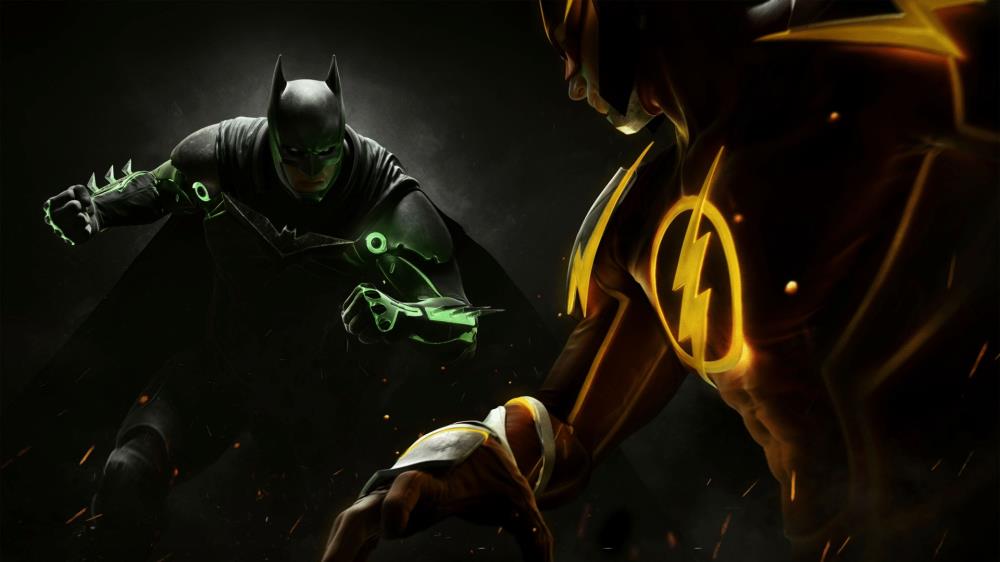
Thanks to the slip-up of an artist working on the title, we now have more evidence that a new Injustice game is in the works.