
The various digital download services now available to gamers show that there is a gradual shift away from the standard retail model. Harbingers of gloom regularly proclaim this to be the beginning of the end for physical media and that HDDs, and eventually cloud computing, will be the only way we consume games in the future. But there are precedents we can look to in other industries that tell a different story: a comfort to those of us who still enjoy box art and peripherals as much as skyboxes and particle effects.
The benefits offered by the proliferation of download routes are undeniable, both to end users and developers. The ability to reach a wide audience without a publisher, or the financial risks inherent in unsold stock, has caused an explosion of creativity and experimentation that has greatly enriched what was arguably a stagnating landscape. Development teams can be smaller and more agile, working with much shorter lead times: Q-Games’ PixelJunk output is testament to this. Of course, all of this also happened before the advent of digital distribution in the demo scene, a movement akin to the underground mixtape community. Not simply reliant on covermounts, demos and games (cracked or otherwise) were passed by hand and posted to interested parties. Packaging was handmade and often photocopied, but showed the genuine enthusiasm of its creators. That such an endeavour was founded in a time of significantly less publisher risk aversion - and therefore less need than in today’s more commercial market - demonstrates the affection that exists among gamers.
The music industry has undergone a similar transition into the digital market, one which it famously failed to address quickly enough. Despite this somewhat cumbersome response, iTunes and other download services now dominate the charts and many of the same toys which are enabling downloadable games have long provided a home for MP3 after MP3. Despite this, mixtapes still abound and 180 gram vinyl remains the format of choice for audiophiles thanks to its warm, wide-frequency sound reproduction. However, when it comes to games, storage media offers limited differentiation other than capacity and access speed; what your game sits on has negligible effect. But the relationship a player has with a game is affected by the overall experience of owning it and it is difficult to argue that a wonderfully packaged title, on tangible storage media, doesn’t inspire greater emotional investment than a few gigabytes of downloaded files.
What of bespoke interfaces? Samba De Amigo, played with two sets of ‘bean’ filled maracas and a friend, is one of the most riotous and downright charming gaming experiences to be had. The Wii re-release, despite including maraca shells in which to place your wiimote and nunchuck, does not transcend the sum of its parts in the same way as the Dreamcast original. The packaging of Sega’s console version was a master class in telegraphing a sense of occasion: long enough to contain the sensor bar and vibrantly colourful, the anticipatory walk home with one of the 2000 UK copies in hand was almost as exciting as playing it. Possessing slightly less mainstream appeal, but no less thorough in its attention to detail, Capcom’s Steel Battalion is perhaps the furthest it is possible to get from a download. Controlled via a bespoke twin-stick, 41 button controller with foot pedals to boot, the game set a high watermark for peripheral indulgence. Packaged in a large metal case that looks almost strong enough for military use, the game’s personality, just like Samba De Amigo’s, is apparent long before you see the publisher logo; if these games were simply downloads, the exuberance they trade on would be severely muted. Some of this grandeur is distilled through the ever so slightly sterilised filter of the Hero and Rockband games, and their continued popularity offers some hope for the peripheral’s future.
Of course, of all the examples of media resisting absolute digitalisation, the humble book is the most encouraging. No matter how much Amazon attempt to Kindle the flame of digital readers, and despite the talk of American schools replacing textbooks with computers, the resilience of the printed page is remarkable. But the key point here is the coexistence of hard and paperbacks with every other form of reading. Google’s strides to become an all encompassing digital library are to be applauded (perhaps one day out of print games will sit alongside on their own servers) but they do not represent a threat to physical libraries, or the many pages within them. Reading a digital copy of a book, whilst convenient, lacks the pleasure of cracking the spine, of the pages scent, of curling up. This intangible absence, though more keenly felt by some than others, is that same sensation missing when a game needn’t be unwrapped, only unpacked. However marginalised, there will always be an audience who want to hold a game in their hands as much a pad.

Microsoft announced its financial results for Q3 of fiscal year 2026, including an update on its gaming Xbox business and more.

Not looking good. Hopefully Asha Sharma is able to turn Phil’s disaster around.


To me it's still quite remarkable how they can cash-in 5.3bn in revenue in a single quarter, since their hardware is basically dead.


The charity event will be streamed live from Gamescom in August.
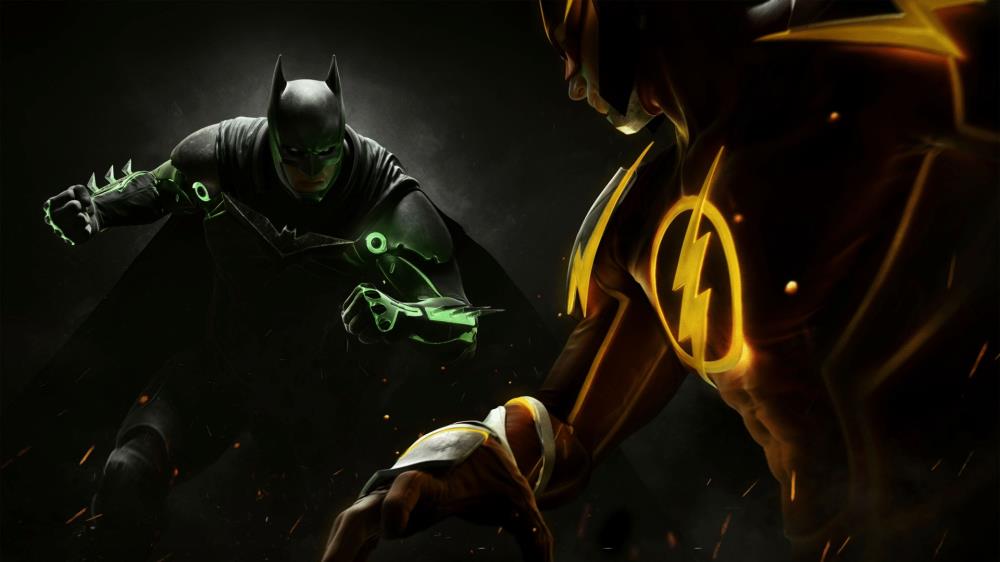
Thanks to the slip-up of an artist working on the title, we now have more evidence that a new Injustice game is in the works.