

The $60 price point has become the norm since the seventh generation launched. Games became increasingly more expensive to make (with going into the HD realm) and the rise of such rental and used games services meant more money is needed to be taken from the consumers to recuperate that lost revenue. But is the $60 more damaging than helpful to the game industry? In this blog I will attempt to answer this question while looking at what other industries (Film and Music) have done in similar circumstances.
Throughout this generation we have seen many game developers fall (Team Bondi, Pandemic and even the publisher THQ). The, more simplistic, reasoning behind this is they just didn’t sell enough because they were not good enough. There is more too this though. Recently, the rise of Metacritic has created a world where mid-tier games get financially destroyed. Let’s look at Homefront (THQ) and Mirror’s Edge (EA). Homefront was averagely rated at 70 on metacritic (1) and Mirror’s Edge scored around 80 (2). Homefront sold 2.6 million units by May 2011 (3) and Mirror’s Edge sold 2.5 million by June 2013 (4). Both are getting sequels but after much hassle. These are low numbers for multiplatform games and we should just put the blame on Metacritic. I propose that $60 games combined with the Metacritic crisis has caused a huge problem which could get worse over time.
The film industry had/has a very similar issue. Due to the rise of the internet, more and more people were watching films (either legally or illegally) through streaming services. The cinema companies decided the best plan was to raise the prices of films. Currently, in the UK, it is around £8 to see a film where ten years ago it was half the price. That is a big increase which the movie industry thought would work. It actually didn’t work that well as more and more people were put off going to the cinema except for big releases (5). This year’s summer flops shows the similarities between the video game industry and the film industry. After Earth, World War Z, The Lone Ranger (6) are big summer films. Yet they fell because prices were too high to justify going to see something like After Earth when other big films, such as Iron Man, were out at the same time. The gaming industry has the same issue. $60 has become a price point that means games that don’t make 85+ Metacritic sell poorly.
The film industry got around this loss by offering something different. The rise of 3D capable and IMAX cinemas have helped the film industry and the cinemas themselves get back more money from films which cost more to make. The issue is the games industry doesn’t have this safety net to fall on. Microsoft, when they announced the Xbox One, tried to combat this loss in sale by having DRM. Everyone seemed to be against the idea and Microsoft quickly retracted the idea. They failed wasn’t because we all hate DRM but because they didn’t offer anything back. They should have taken cues from the music industry.
At one point the music industry was getting killed by the internet. Downloading a file on the internet was so quick and easy that paying for a CD seemed an illogical choice. The music industry decided to introduce online downloads with DRM but (this is big difference between them and Microsoft) they decided to offer songs at a much cheaper price. Having DRM is an inconvenience but the music industry lowered the price for the inconvenience as well as bringing in more customers who would usually pirate the song. Microsoft should have followed this philosophy.
Now I am not saying Microsoft should have sold games for 69p (that is ridiculous) but the gaming industry as a whole can learn a lot from the music industry. Cutting the price makes people buy more games as they have more money to afford games that they would otherwise pass on. Too many times do I see users on N4G, talking about mid-level games, saying people should rent, buy it used or wait for the price drop because these games just do not justify paying a full $60 for it. This becomes an even bigger issue when big blockbusters come out. It is exactly the same situation to what is happening with the film industry. If the industry is not careful we could be have more blockbuster flops and more studios collapsing because of it. Mid-tier games are already dead because of the $60 price point as if it doesn’t make 85+ on Metacritic it will not sell because games are too expensive.
The $60 price point isn’t all bad as the decline in mid-tier games has created an opportunity for indie developers to thrive. But each tier could live in harmony if games cost less. We don’t want to be in the same situation as the film industry where certain types of films (games) are made because they sell the most. This results in stagnation of our high tier films (games). In the gaming world it could lead to more studios closing
Sources
1. http://www.metacritic.com/s...
2. http://en.wikipedia.org/wik...
3. http://www.gamespot.com//ne...
4. http://www.computerandvideo...
5. http://business.time.com/20...
6. http://www.movieweb.com/new...
Microsoft announced its financial results for Q3 of fiscal year 2026, including an update on its gaming Xbox business and more.


Not looking good. Hopefully Asha Sharma is able to turn Phil’s disaster around.


To me it's still quite remarkable how they can cash-in 5.3bn in revenue in a single quarter, since their hardware is basically dead.

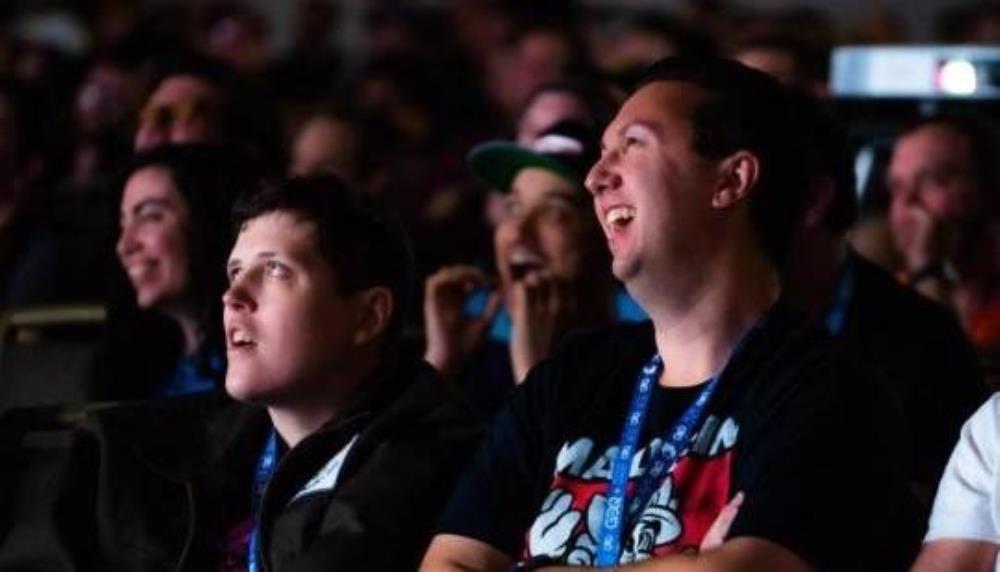
The charity event will be streamed live from Gamescom in August.
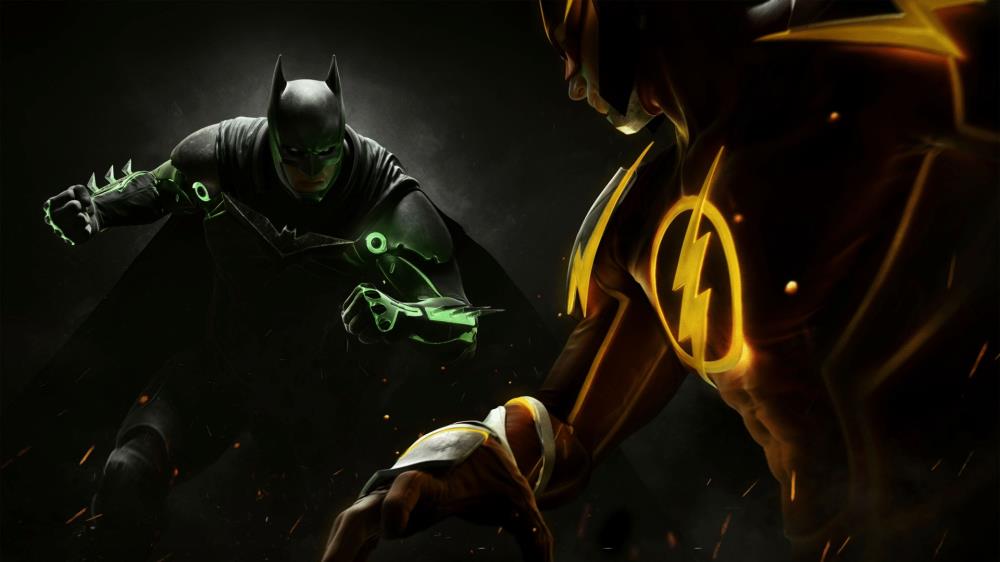
Thanks to the slip-up of an artist working on the title, we now have more evidence that a new Injustice game is in the works.




It is a little ridiculous. When games become more than $60 dollars a pop I seriously don't know how I will even afford them anymore. I bust my ass enough just to pay for them now.
The worst part of all of this is things just keep becoming more and more expensive but jobs are not paying people any more money, they are actually paying people less and less as time goes by.
No clue how the hell that is supposed to work out.
Modern gaming in a nutshell... 60$ games that feel half finished, have a ton of bugs, encourage you to buy DLC and other forms of micro-transactions, and then of course the industry wonders why gamers seem so dam "entitled" well you know what maybe we are, maybe we're entitled to a freaking finished game, to not feel like we aren't getting our moneys worth unless we put more money to buying DLC, DLC that was probably content cut from the game before release!
I don't honestly care if the publishers excuse is, they need to give us reason not to sell the game or trade it when we're done playing, you know what? I don't sell or trade in "good" games, if they are really that worried just make a game we want to keep... (sigh) will it ever change?
Anyway good blog, I agree with most of the points made.
Super Nintendo games were regularly $60 and couldn't do any of the things today's games do. Like use polygons.
With inflation those Super Nintendo games would cost over $100 today. Every game you buy for $60 that has at least one polygon is a steal of a deal.
Quit complaining.
While not everyone is making big budget games, I wouldn't be surprised to see certain Devs justifying universal $60 to pay for AAA budgets and advertising. $60 is the norm, we "accept it" and Devs are fine with it. It would take a major shake-up from consumers and specific Devs for price to go down. If sales decrease and Devs find they can reduce prices without losing money per sold, then it's possible they would do it then
I don't see it changing anytime soon, especially if teams get larger for Devs
Let me make this simple for you complainers who don't know wtf you're talking about. Our currency the dollar is GARBAGE, garbage so, 60$ a pop isn't that bad because they're not even making that much money back especially the Japanese and European devs.
Once they take our dollars they turn it into Yen and Euro. Back in the day the dollar was more valuable, that is why you saw a shitload of Japanese games in the PS1 and PS2 days.