
Over the years I have noticed that more and more developers and publishers are posting about sale figures. Videogame budgets greatly increased form 6th gen to 7th gen. During the 6th generation of consoles; games required smaller budgets to reach the AAA standard. The lower development prices of games allowed for new releases to be consider successful even if they failed to reach 1 million in sales. Unfortunately during the 7th gen of gaming even established AAA franchises would occasionally fail to reach profitable sales figures.
Big budget games during the seventh gen have been very successful, the biggest AAA release of 2013 (GTAV), cost over 200 million to develop making it likely the most expensive game ever in terms of development cost. In terms of budget many triple games have become more like Hollywood movies. As a result of high budgets many games have DLC (which is sometimes on disk) and in rare (but increasingly more commonly) microtransactions. Both microtransactions and DLC are used as a way of obtaining further profit from the consumer. It is not wrong for companies to want to make money; but it's becoming increasingly more difficult for games to reach profit. Because of the higher risks involved in AAA development, I think companies should attempt to supplement their big budget projects with lower costing ones.
Near the end of the seventh gen several high profile games were reported to have budgets close to 100 million dollars; at this cost games require about 5 million in sales to be successful according to some analyst. Halo 4 was one successful game that had a budget of 100 million, and was considered a financial success after selling 4 million on launch day and by having life time sales of 9 million + (ignoring digital copies) on the XB 360 platform. Tomb Raider (2013), Max Payne 3 and Bioshock Infinite were also estimated( or rumored to cost roughly 100 million), but weren't initially profitable . Tomb Raider sold 3 million+ physical copies during its' release year across three platforms (360, PS3 & PC) but wasn't considered profitable until it was rereleased on XB1 /PS4 in 2014 . Tomb Raiders' profit margin may have been low (which could be indicated by Square-Enix signing a controversial timed exclusivity deal with MS). The two other mentioned games, Max Payne 3 and Bioshock Infinite were considered financial disappointments despite both games selling over 3 million physical copies individually.
Games since the seventh gen are not only suffering from higher budgets but lower profit margins. These decreased profits margins are why many publishers are pushing digital copies (which are higher profit than physical ones ) and DLC to increase profits. The decreased profitability of games has also lead to developers and publishers being far less risking in the games they develop. This has lead to many publishers releasing sequels to establish games; with series such as Call of Duty and Assassin Creed having annual releases. The focus on sequels is both positive and negative, gamers get the sequels to big games that have demand. But unfortunately the focus on big franchises and sequels means that gamers are unlikely to get sequels to less successful or more niche oriented games.
Microsoft announced its financial results for Q3 of fiscal year 2026, including an update on its gaming Xbox business and more.


Not looking good. Hopefully Asha Sharma is able to turn Phil’s disaster around.


To me it's still quite remarkable how they can cash-in 5.3bn in revenue in a single quarter, since their hardware is basically dead.


The charity event will be streamed live from Gamescom in August.
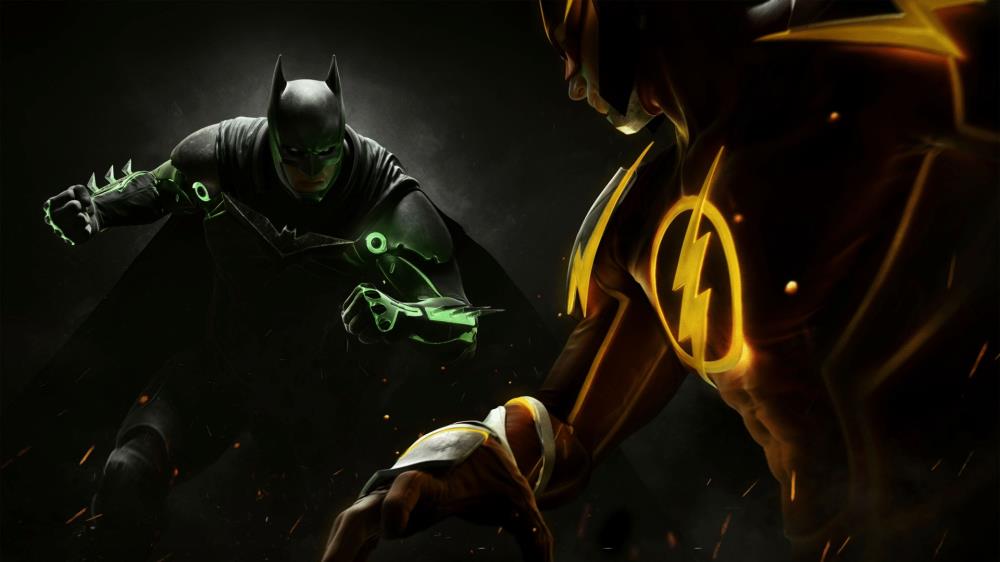
Thanks to the slip-up of an artist working on the title, we now have more evidence that a new Injustice game is in the works.




Good blog, i was considering writing something similar.
Smaller teams and smaller budgets are great to contrast against big budget games. The bigger budget means pressure from the publisher to release the product by the holiday, immitate what's popular, and appeal to the lowest common denominator.
You forgot to mention how much a pain in the *** the PS3's hardware was to code which contributed to the rising development costs. And how many studios/publishers that went under who catered almost exclusively for the PS360 crowd.
Smaller games are okay as long as they don't cost as much as triple A games, I hate how indie developers expect you to pay a full retail price for a game that cost a lot less to produce and only has a fraction of a AAA game's budget