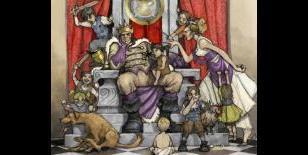
The fitting terms, for this blog’s purposes, of the word ‘entitlement’ (according to merriam-webster.com):
1. a: the state or condition of being entitled : right
b: a right to benefits specified especially by law or contract
2. belief that one is deserving of or entitled to certain privileges
It’s been established by older generations (typically ages 40 and up) that today’s youth is the most self-entitled generation; then again, it’s not hard to notice how often this notion is restated-ironically-with every new generation that comes around. Whether you find this belief to be true or false, you can’t help but notice how this reoccurring proclamation ruins a true idea: we, the gamer, are entitled to certain privileges. In this blog, I wish to examine two popular games that have stirred the ‘self-entitlement pot’ and decipher the rights and wrongs in these cases, as well as provide further insight on similar issues.
Case #1: Mass Effect 3
If you read Episode I of this blog series, or visited the internet any time during ME3’s release, you’re probably caught up on the controversy that surrounded the series' ending. Since that blog, Bioware has released free DLC that adds a bit more depth to the finale, but it still retains certain qualities of a disappointing denouement. The theme most “gaming journalists” maintained to argue against the notion entirely: self-entitled crybabies would harm videogames as an art if they had their way. Yes, despite the fact that this case of contextualization and added depth was really nothing more than a Director’s Cut used previously in films still called art to this day, somehow the necessary padding backpedals the idea of how gamers can look at videogames' artistic expression. Given how eager Bioware seemed to be in going back to said ending, the notion of the artists feeling just as unsatisfied about the ending as raging fans doesn’t seem that farfetched.
There are other wrinkles to examine why this compromise with the ending isn’t a compromise of the art, but that’s not really the angle I want to dive into. Rather, I’m interested in showing why the insipid labeling by certain pundits is another case of “a great con always having enough truth in them.” You see, the complaints over Mass Effect didn’t stop with people slamming the metacritic score or sending cupcakes to Bioware, poking fun at their three-pronged ending for every player. Someone was compelled enough to believe involvement from the Federal Trade Commission was necessary because of “false advertising.” Cases like that are what invoke some journalists who believe they can sit on their velvet throne, judging everything they see from afar, in the belief that yelling down the entire group is the righteous thing to do. When an extreme case like that happens, it’s not just about gamers complaining about the ending; yellow journalism knows lynch pinning a few spoiled eggs to an entire cause that deserves to be heard is the best way to oppress it.
In my eyes, Mass Effect 3 shows the worst of both parties: It showcased that desperate need of some journalists to pander towards the impersonal publisher (I’d contend for more advertising treats) and it also showed a failure in the community of not corralling all of their complaints in a level-headed manner at the beginning.
Case #2: Diablo III
While I’m cognizant of the complaints for Diablo III, I must admit that I have not played a single minute of the game itself. When I saw the low metacritic user score for one of Blizzard’s most beloved series, I was initially thinking these complaints simply couldn’t be true. “Surely a game that employs always-online DRM (even though people crack DRM eventually) for every player can’t have THAT many server problems upon release,” I thought to myself, “it seems absurd.” Lo and behold, complaints were arising from different corners of the world with tremendous aplomb. Were some infamous journalists on top of these protesters? Sure, but not exactly to the same degree as the community itself. More than likely, you might see fans of the series bicker against each other over this debacle.
When I looked at some of the defenses used by the developer apologetics, mainly the point about Blizzard doing it to combat hackers/cheaters/etc., and how easy it was to dismantle these justifications I felt the compliant fans shared one common feature: confusion. In a blog-o-sphere such as today, I believe the term ‘self-entitlement’ is so commonplace in today’s age that gamers are afraid to sound like whiners, regardless of the complaint being legitimate or not (which I would be very interested to see what others say about this in the comment section). What’s more interesting about this case is even my hesitation to place any blame on journalists. After years and years of seeing gaming communities produce petty complaints, hypocritical boycotts and more, I can only see this as an example of our triviality of the past being compounded enough to produce this endless cycle of us failing to stand up for even the bad business practices in unison like Diablo fans should have had at launch-and even now.
Final words:
The gaming year of 2012 has been quite the eventful one when it comes to controversy…and both sides haven’t really shined. What’s surprising is how even the blame can be cast. In one hand, there are journalists that understand what’s to be gained in flimsy rumors, whistleblowing off-hand comments like there’s no tomorrow, and then turning around to smear the community’s complaints. What about the other hand?
We, as a community, also fail to act accordingly in segregating the legitimacy of our complaints. Some might blow out minute color problems in games yet think the idea of the “-ism word” being in the least bit present is utterly outrageous. The recent inclusion of depth to Hitman: Absolution’s “hot nuns” level wasn’t ruined by those “evil feminists,” it actually provided a challenge for both writers and advertisers to understand how the paradigm has shifted in recent years. To some, this shift has caused them to say those "overly-sensitive" biases towards the matter make the complaints unwarranted. After being involved in the community for so long, I can’t help but feel this could be the problem behind this entitlement issue.
Any member’s biases or pre-dispositions shouldn’t be considered disqualifiers for the complaints they’re entitled to make, they should be fostered and a reason to better understand their attitudes on the matter.
Microsoft announced its financial results for Q3 of fiscal year 2026, including an update on its gaming Xbox business and more.


Not looking good. Hopefully Asha Sharma is able to turn Phil’s disaster around.


To me it's still quite remarkable how they can cash-in 5.3bn in revenue in a single quarter, since their hardware is basically dead.

The charity event will be streamed live from Gamescom in August.
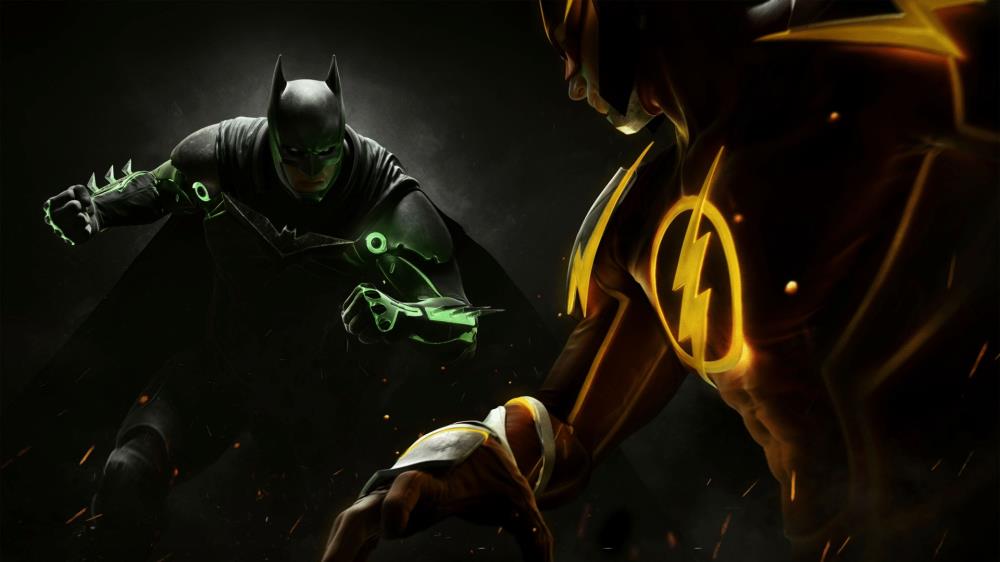
Thanks to the slip-up of an artist working on the title, we now have more evidence that a new Injustice game is in the works.




Hope everyone enjoyed the blog. :)
Despite my trilogy, dubbed "Truth Trilogy," wrapping up I can assure you that another set will happen in the future. Don't worry, I'm not going to wait 18 years for the next trilogy in order for picture quality to improve here on n4g :P.
While there are other instances similar to the cases mentioned, I figured some posters with a better understanding of it may comment on them. Heck, even wrinkles to the cases listed above I may have overlooked would be greatly appreciated.