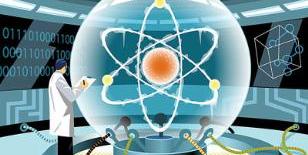
With the recent hacking of PSN this is something that is very current. I do not believe that any system will be hack-proof the way they work now. Computers, as they are constructed today, will always be "hackable". However, there are future technologies that will make it impossible to hack any computer that is made out of that technology. The one thing that comes to my mind is what is called Quantum computing. And I love this; It sounds so Star Trek :D
But it is actually something real. The easiest possible explanation I have to this is the following. I do not possess the necessary knowledge to explain it all to you, but as I said, this could give a hint to what Quantum computing is capable of. In a normal computer the memory is made up out of bits. However, in a Quantum computer, the memory is made up out of qubits. (The following part I had to copy from Wikipedia due to that it is very complicated)
"A single qubit can represent a one, a zero, or, crucially, any quantum superposition of these; moreover, a pair of qubits can be in any quantum superposition of 4 states, and three qubits in any superposition of 8. In general a quantum computer with n qubits can be in an arbitrary superposition of up to 2n (A power of two. The n is supposed to be elevated here, but I don't know how to fix that) different states simultaneously (this compares to a normal computer that can only be in one of these 2n states at any one time). A quantum computer operates by manipulating those qubits with a fixed sequence of quantum logic gates. The sequence of gates to be applied is called a quantum algorithm.
In physics and systems theory, the superposition principle also known as superposition property, states that, for all linear systems, the net response at a given place and time caused by two or more stimuli is the sum of the responses which would have been caused by each stimulus individually"
I almost want to bang my head against the wall after reading this. But it is possible to understand it if you read it slowly. What it essentially means is that the complexity of digital security will be so complex that no one can hack a security-system made with quantum computing. I could go on and talk about quantum entanglement, but that would make your heads explode, and mine too, out of boredom. It is the future though, so read about it if you like :)
EDIT: You have probably heard the expression "No system is un-hackable". This is most likely true (because of the way computers work today) and the reason for this, at its most basic level, is most likely because each bit can only exist in one state at any one time.
Cheers!

Microsoft announced its financial results for Q3 of fiscal year 2026, including an update on its gaming Xbox business and more.

Not looking good. Hopefully Asha Sharma is able to turn Phil’s disaster around.


To me it's still quite remarkable how they can cash-in 5.3bn in revenue in a single quarter, since their hardware is basically dead.


The charity event will be streamed live from Gamescom in August.
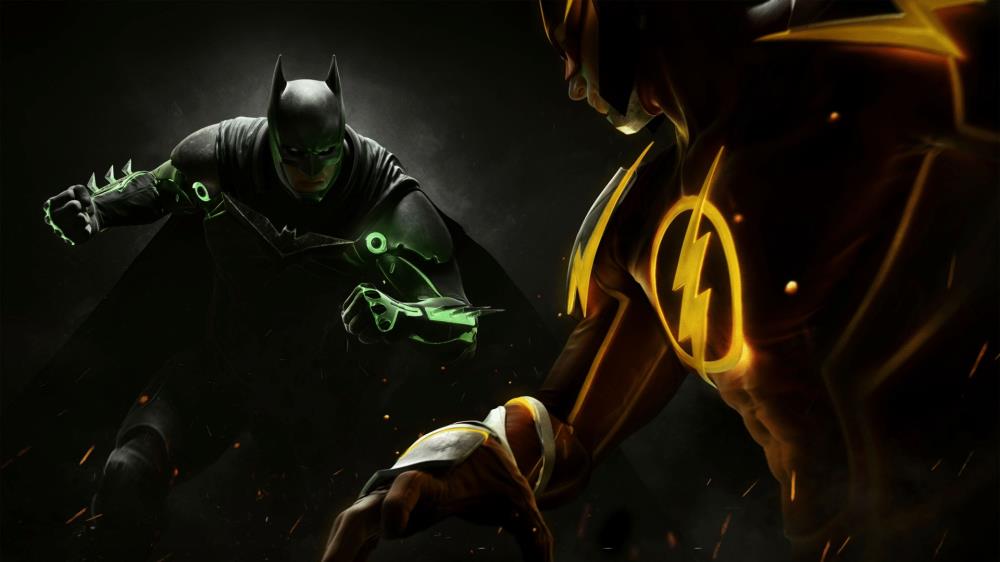
Thanks to the slip-up of an artist working on the title, we now have more evidence that a new Injustice game is in the works.