
At his GCDC lecture, Silicon Knights' Denis Dyack presented his case that with an unsustainable current business model, a 'one console future' was not just possible, but probable as early as the 'next round of hardware' -- describing how the shift would be good for both creators and consumers.
In today's monopolistic model, three proprietary hardware manufacturers have gone in three different directions: the PS3 with its Cell processor, the Xbox 360 with its 3 CPUs and Xbox Live, and the Wii, with its 'socialized interface hardware.'
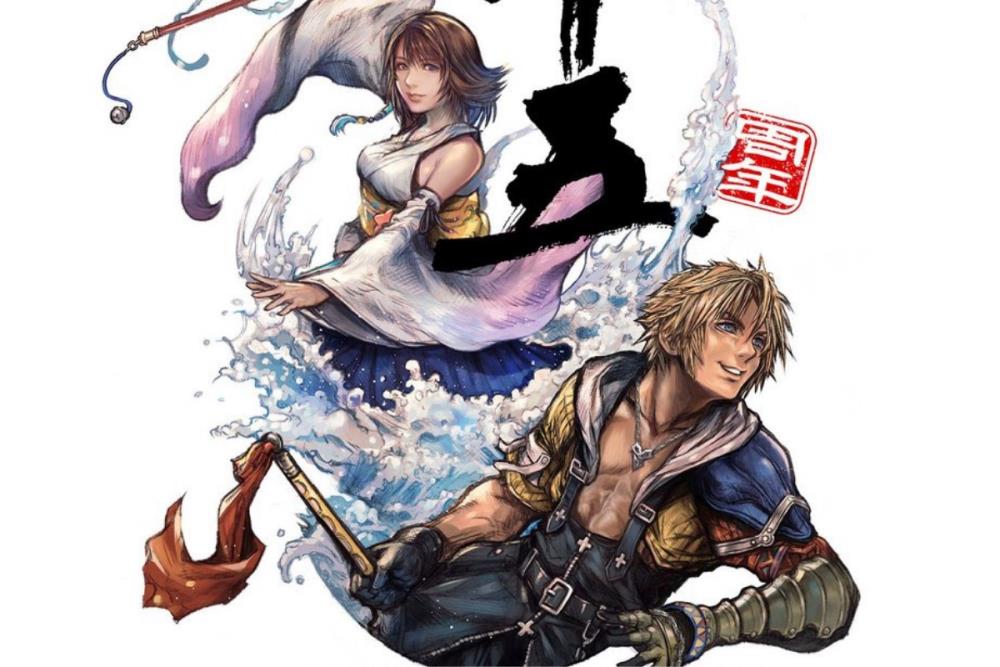
Square Enix launches Final Fantasy X 25th anniversary site, revealing new Nomura art, books, music releases, and merchandise.


Look I know VIII has its issues and all that but how on earth can the do big anniversary events with new artwork and merchandise for VII, IX and X yet VIII got sweet f*** all.
They could have given it something during its 25th anniversary yet all it got was a single Happy Anniversary post on their social media.

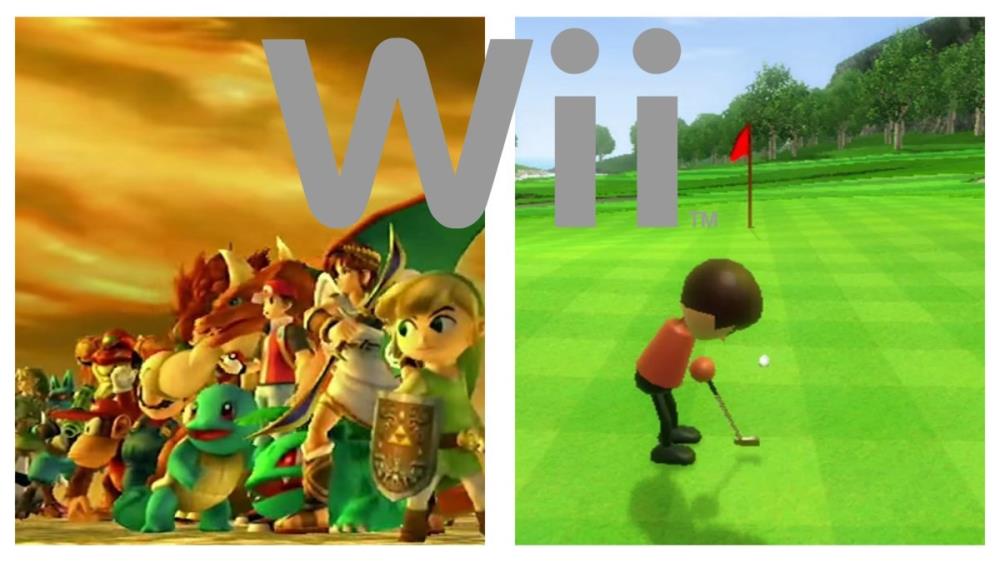
The Wii is now a retro console. Let’s get nostalgic about an often maligned system.

Crazy to think the WII is to the Switch 2, as the NES was to the WII back then. 20 Year difference.

My wife asks me to bust it out (heh) everyone once in a while to play bowling and tennis with the kids. There was a ton of slop on it but some good stuff as well.

Wii was great but boy howdy did it cause Microsoft to go on a dark walk with the Kinect and the disastrous XBox One launch that they arguably never recovered from.

Not nostalgic for me.. I was there.. anyone who wasnt a little kid realized it was a gamecube with shit tacked onto it, it was the "joke" system and was well below even the switch in terms of comparing it to the latest machines at the time. The machine was well loved by young people and "casual gamers" who now remember it 20 years on, or in most cases more of its sales came in the 15-20 years ago range not right at launch- but again its not nostalgic for people who were "gamers" then really, just for those who ended up with one in their house, the games , graphics, interface and online features were archaic already in 2006.
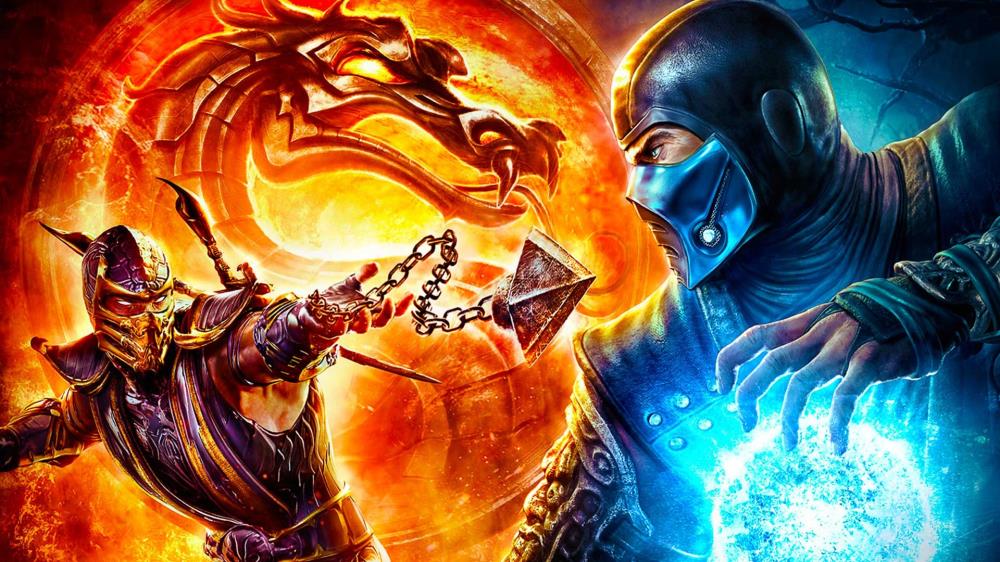
A brutal reset, a smarter story, and a return to what made it great—Mortal Kombat (2011) revived the series.


15 years went by so fast. I remember playing through the story mode at launch.




And what happens when the competition is totally erased and the "one console" company takes advantage of the consumers? With no other systems available, they can make the hardware, accessories, games etc. as expensive as they want, since the person buying it has no other choices.
And then what happens when they start having very different views on certain situations? They split into two companies and another console is formed later and we have started all over again.
Edit: "way too many games," according to Dyack. I found this pretty funny. Better too many games than too little, at least in my opinion.
this is horse $hit. There is no way, and if there was a possible way that only one console would be released, it would be horrible for games. As a gamer, I like choice. In games, AND in consoles.
it should be called nintendo.
This coming from the developer of Too Human, which was original a PSX game?
Get working on your nearly 10-year old game. It's starting to make Duke Nukem Forever look good.
While his theory about commodification makes sense, I just don't see it happening in the realm of console technology. Some have said the same thing about the PC market and we all know that PCs come in different formfactors, configurations, and brands.
The reason I think his theory falls short is that Nintendo is already taking advantage of and correcting the characteristics of the industry that he points to as the eventual causes for commodification.
In keeping w/ familiar yet older hardware specs this generation, Nintendo has effectively given 3rd-parties breathing room when it comes to developing games. Lower development costs for Wii games means developers are exposed to less risk and more profit potential. The same is true for DS development.
Also, because Nintendo has profitted from every Wii sold from the beginning, there is less pressure to put the burden of recouping hardware costs on 3rd-parties, which is something Dyack also outlined.
Avid gamers may scoff at casual games, but sales of those casual games will keep devs in business by helping to make up for big-budget flops and by helping to fund the next big-budget hit.