People these days seem all too eager to discard emulation in favor of re-releases on handhelds or download services like Wii Virtual Console or X-box Live Arcade. Sure, the current trend towards "legit retro-gaming" seems convenient, but emulation is by no means obsolete.
To most people, emulation is old news. They dismissively recall their first days on the Internet, at first being being shocked and in disbelief at the new-found ability to download and play virtually any old console or arcade game on our computer for free, then obsessively downloading any and all games they could think of, building up a titanic library of ROMs which they would only ever play once for 2 minutes each and then move on to the next one. Eventually their emulators lay in disuse in the bowels of our dusty hard-drives when we got tired of playing on a keyboard, or just plain got tired of playing old, last-gen games.
So now that new-gen systems are introducing 100% legal ways to retro-game (XBLA, Wii VC) without carting an NES, SNES, Genesis, N64, etc every where you go, it sometimes looks like the last nail in emulation's coffin. However, emulation is still the most convenient way to play classic games.

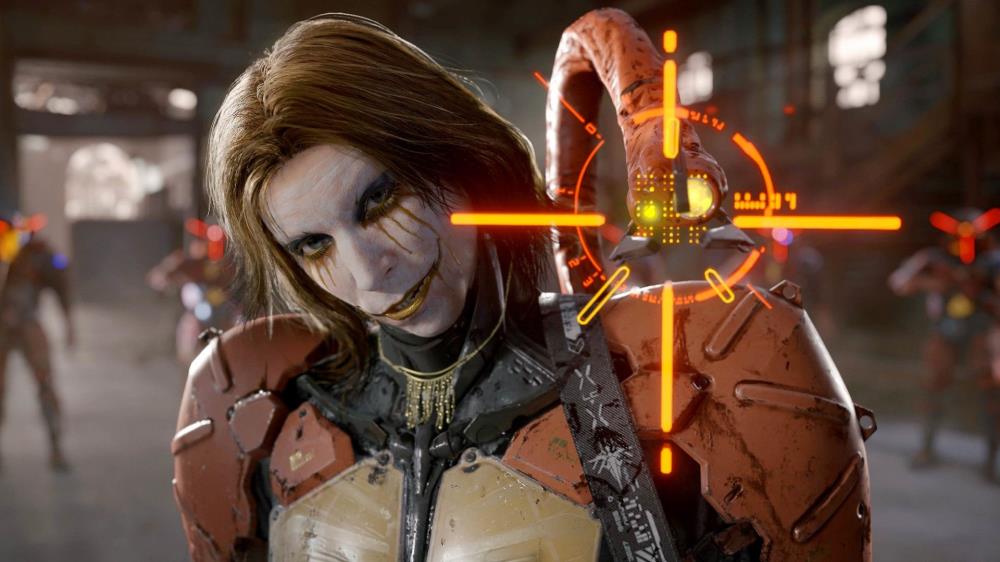
It's important in life to maintain a broad palette when it comes to culture and the arts. Hideo Kojima agrees, as he continues to use video games like Death Stranding to introduce people to music and other elements they might not otherwise discover.
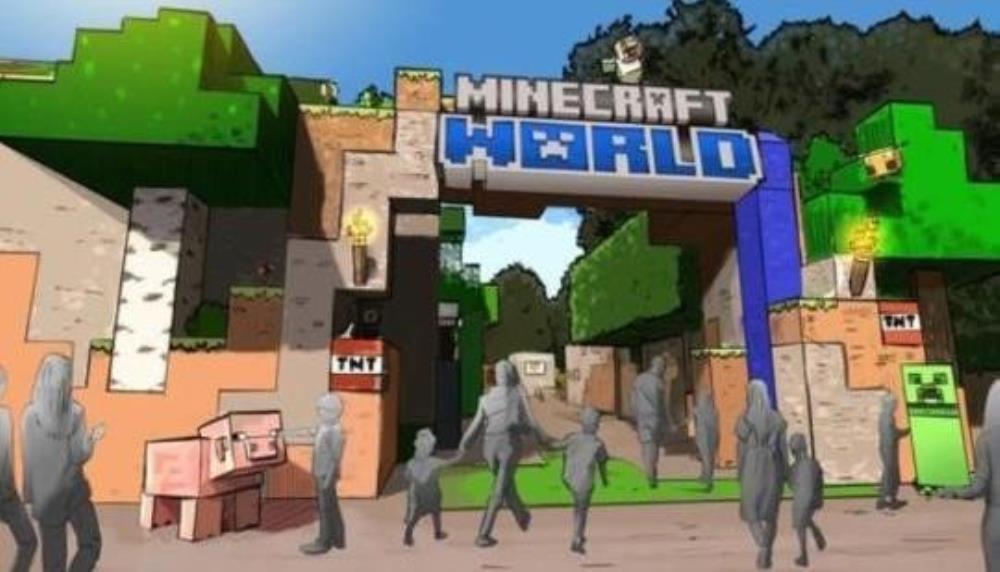
Mojang has partnered with Merlin Entertainments to build the world's first Minecraft theme park in the UK.
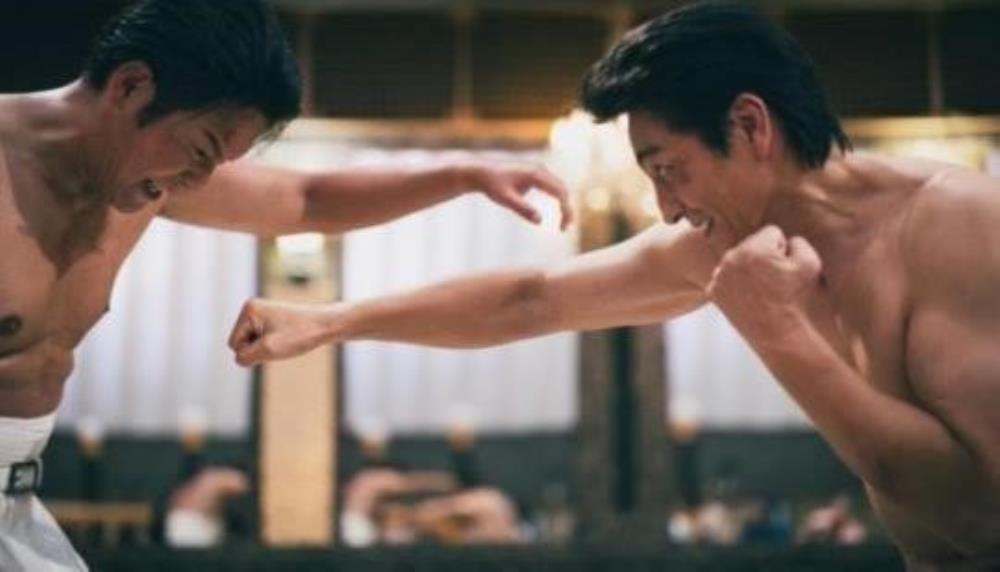
A three-episode live-action adaptation of the first two Yakuza video games will debut Tuesday, March 17 exclusively IGN. Each episode is about an hour long and will stream on IGN.com and IGN’s YouTube channel.