
Unreal Engine has defined the technological standards of high-definition console shooters, but Gears of War apart it seems as if it is down to proprietary engines to exceed them: Infinity Ward, Bungie and Guerrilla Games have produced the most critically well-received FPS titles on console, and all of them are using their own in-house technology.
Coming from the technological architects of GSC's S.T.A.L.K.E.R., the new 4A engine powering Metro 2033 from THQ is another proprietary codebase that looks capable of producing pretty astonishing visuals. Thus far, most of THQ's marketing efforts have concentrated on the visually superb PC build, though Eurogamer got hands on with both versions last month. Digital Foundry has had extensive access to a preview Xbox 360 build, and what they've seen has been impressive.
A look back at 4A Games' admirably consistent post-apocalyptic shooter franchise.


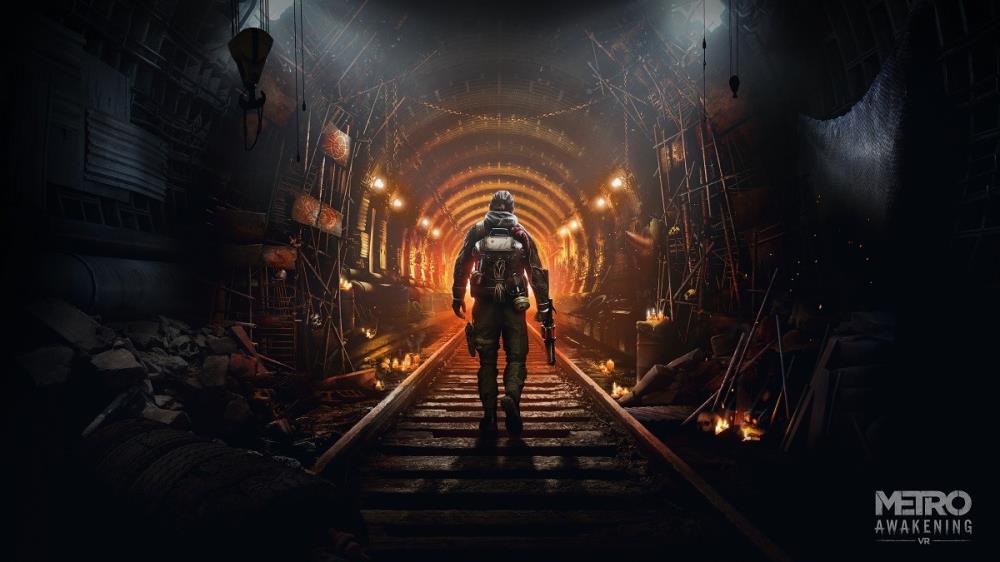
Metro 2033 mechanics that would adapt perfectly to VR, and the upcoming Metro Awakening by Vertigo Games this year.

The Metro video game series started with a humble b-list title, before building a strong fanbase and becoming a pioneer in the industry.






I love what I hear about the 4A Engine sounds like it is a beast. I so can't wait to play Metro 2033. Each time I read more about the game I get more excited. So not to much longer until I can play Metro 2033.
This engine is very impressive indeed and the funny thing is that 4a games feels that they did not fully utilize the capabilities of the system."The majority of the levels have more than 100MB heap space left unused. That means we under-utilised the hardware a bit."
What did they say about the 360 being maxed out with gears 2 again?
" Looking at the engine spec published on Digital Foundry yesterday, there are many similarities in terms of technologies with Guerrilla Games' epic Killzone 2: pretty much the standard other developers have to aspire to in the console realm when it comes to first-person shooters. Guerrilla's engine is quite remarkable, geared completely to the specific hardware strengths of the Sony platform, but Shishkovtsov evaluates its performance from a different perspective.
"Their implementation seems to be badly optimised," he observes. "Otherwise why do they have pre-calculated light-mapping? Why do they light dynamic stuff differently to the rest of the world with light-probe similar stuff? From our experience you need at least 150 full-fledged light-sources per frame to have indoor environments look good and natural, and many more to highlight such things like eyes, etc. It seems they just missed that performance target."" - Digital Foundry
I'm sure there will be people in here claiming they know better then these developers too... even though they've built 2 custom engines, both utilizing deferred rendering (xray and 4a), and one worked as a hardware engineer on the NV40.