The effects of video-game playing on your brain have been studied for a quarter-century, but the latest research reveals that there are deep puzzles yet to be solved.
One of the earliest and most noted studies in the field was conducted back in 1992 by neuroscientist Richard Haier at the University of California at Irvine, who looked at how frequent sessions with the Tetris video game changed the players' brains. The game requires players to fit colorful puzzle pieces together at a quickening pace as they fall from the top of the screen.
Back then, Haier used brain scans to discover that some parts of the brain actually used less glucose as the players became more skilled at the game. The "Tetris effect" illustrated how video-game training could make brains work more efficiently - an idea that eventually led to a whole host of brain-training games.
Now Haier serves as a consultant to Blue Planet Software, the company that markets Tetris, and he was asked to follow up on his 17-year-old research using the new tools available to neuroscientists.

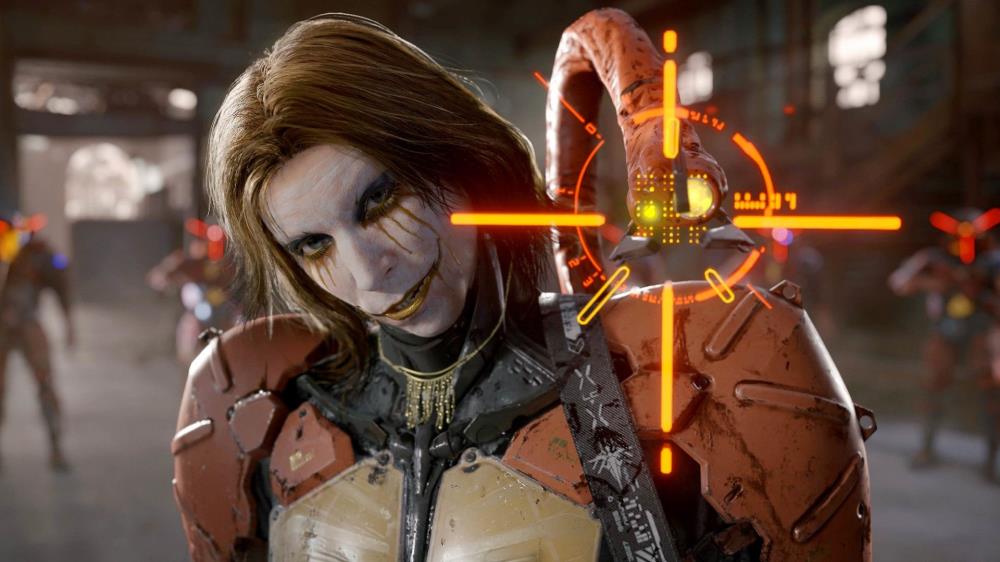
It's important in life to maintain a broad palette when it comes to culture and the arts. Hideo Kojima agrees, as he continues to use video games like Death Stranding to introduce people to music and other elements they might not otherwise discover.
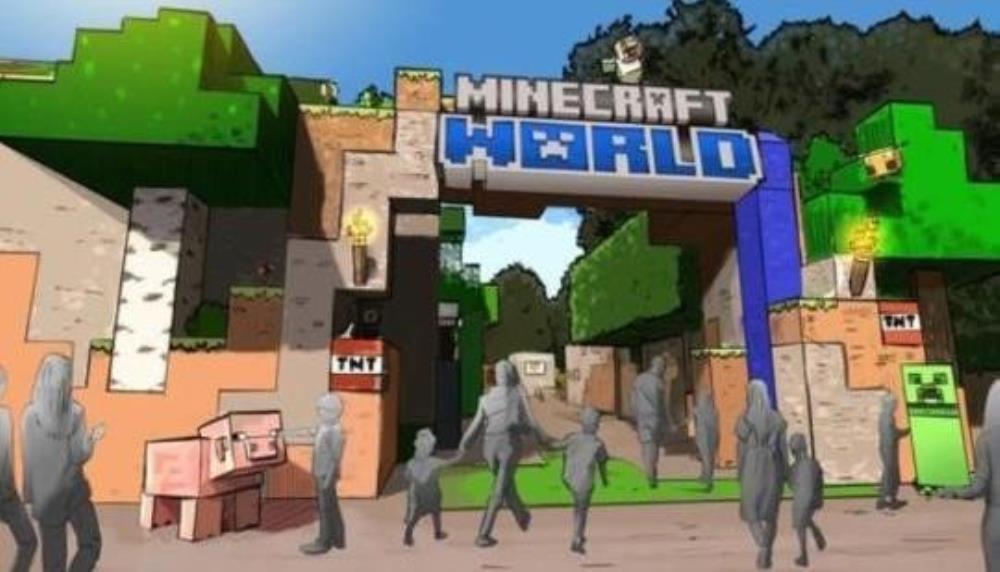
Mojang has partnered with Merlin Entertainments to build the world's first Minecraft theme park in the UK.

A three-episode live-action adaptation of the first two Yakuza video games will debut Tuesday, March 17 exclusively IGN. Each episode is about an hour long and will stream on IGN.com and IGN’s YouTube channel.