Mitchell Schnurman of Star-Telegram writes:
"Imitation may be the most sincere form of flattery, but when the imitators are Amazon.com, Wal-Mart, Toys R Us and Best Buy, there's no basking in the glow.
GameStop, which has been riding the video-game wave for a decade, has the attention of the big dogs now. What they covet: a piece of the Grapevine retailer's booming used-game business.
The new competitive threat has damaged the value of GameStop's stock, once a Wall Street highflier. At around $20 as of last week, the shares (ticker: GME) are down 38 percent in the past three months.
Analysts still like the company a lot, with 16 of 18 giving "buy" ratings and an average target price of almost $34. GameStop controls an estimated 90 percent of the used-game market, a key reason for the analysts' confidence."

New report from Skillsearch found that 22% of those surveyed had been laid off within the past 12 months.
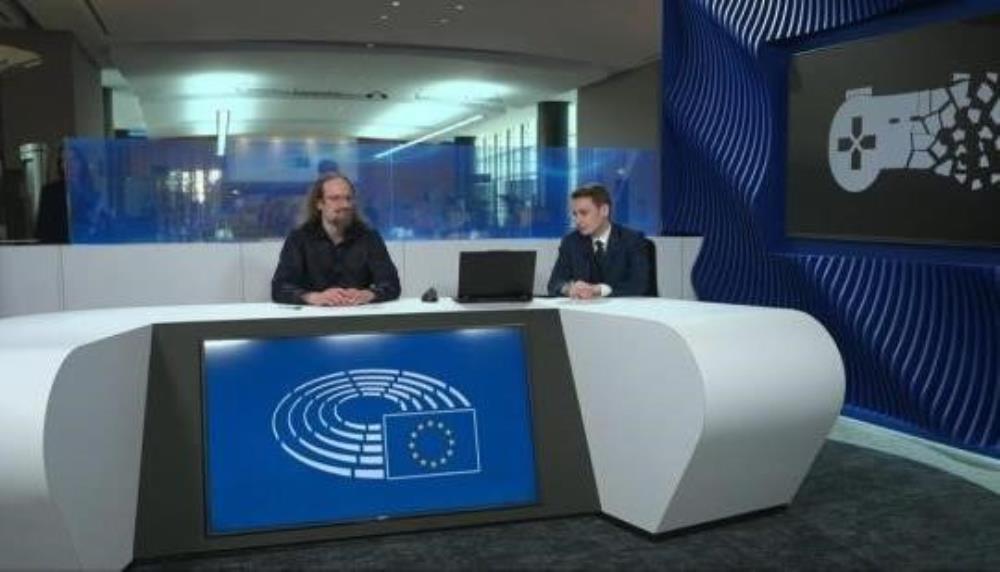
It's a step forward for Stop Killing Games.

The Callisto Protocol director thinks the solution involves the right people, the right timing, and perhaps a little bit of AI
I don't agree with that. I WISH I could agree with that. But buying habits and customer opinions prove otherwise
We've seen developers in the AAA space try new things and ideas. More often than not, the customers aren't willing to give things a chance, or not enough people buy into the project for it to grow.
Creativity works better in the indie space because the budgets, pressures, and expectations aren't the same.
it's a nice idea and it worked during the PS2/PS3-era when AAA didn't cost hundreds of millions of dollars. smaller budgets and shorter development time left room for more creativity and more risk. a game didn't need to sell 4 million+ copies to break even. things are different now.

This is the guy who bragged about crunching his staff and having them work through the night. Crunch culture has lost more talent and done more damage to the industry than any other factor. Screw him.