Develop: Now that we're mid-way into the current console generation, what are game engine developers doing to distinguish themselves from the competition? Ed Fear takes a look at the state of the sector, two kick start a two-week focus on the tech that powers the industry...
Twelve months ago, when we last took a birds-eye look at the game engine market, the focus was very much smoothing out the pains of cross-platform development. Epic was focusing all of its efforts on the PS3 version of UE3, while Emergent was crowing about its multi-core friendly Floodgate technology.
One year on and the situation is a little different, both inside the market and externally. Developers across the world have downsized, but the public's appetite for games remains as fierce as it ever was. Those left behind at streamlined studios still have to deliver envelope-pushing games with smaller teams and tighter budgets, and many of those cast aside need to regroup and strike out on their own. Now everyone needs nimble, flexible, rapid game engines.

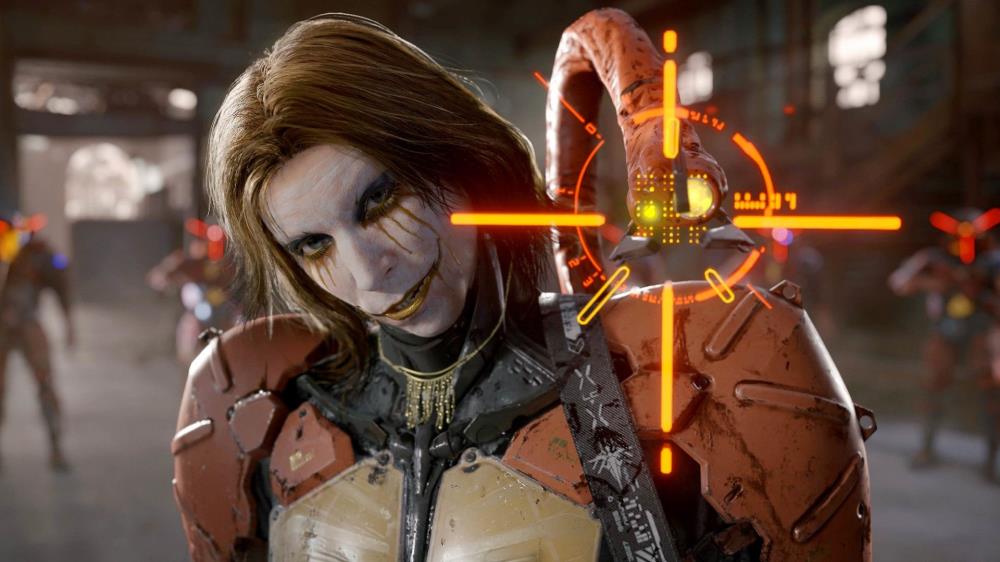
It's important in life to maintain a broad palette when it comes to culture and the arts. Hideo Kojima agrees, as he continues to use video games like Death Stranding to introduce people to music and other elements they might not otherwise discover.
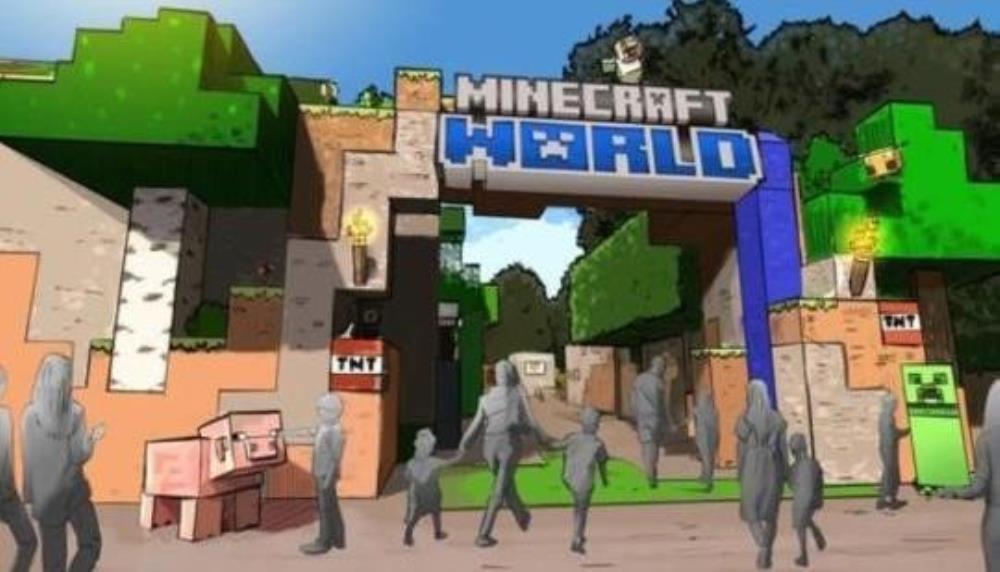
Mojang has partnered with Merlin Entertainments to build the world's first Minecraft theme park in the UK.

A three-episode live-action adaptation of the first two Yakuza video games will debut Tuesday, March 17 exclusively IGN. Each episode is about an hour long and will stream on IGN.com and IGN’s YouTube channel.