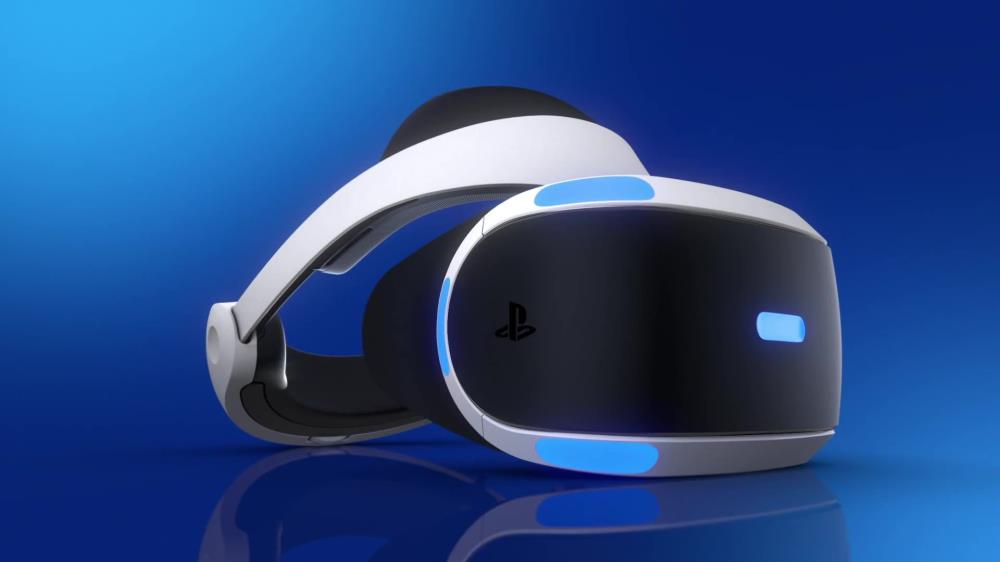
VR devs Schell Games speak with GamingBolt about the improvements they hope to see with PSVR 2.
"It was so offensive to me"


Cliff Bleszinski shares thoughts on Gears of War’s PlayStation debut, E-Day, and Microsoft’s Game Pass strategy.

The narrative deduction title is available on Steam, Nintendo Switch, and the App Store for just $7.




I don't think we'll see it until 2021, the current headset is decent, but there definitely needs to be several upgrades especially since the cost of parts and building VR headsets has obviously gone down dramatically for most stand-alone headsets.
Higher-resolution OLED displays: Bare minimum 1440p shared display, although triangle displays per eye would be MUCH better. This will make game clarity significantly better as PSVR gen 1 was 1080p shared, but 960x1080 per eye (just over 720p) which was a bit blurry at times but and thankfully they have the pixels focused in the line of sight to help with this. Most displays are 2880x1600 split per eye which is 1440x1600 (Just over 1080p per eye). Moving up to 2560x1440 even if it's per eye is closer to right between 900p and 1080p. But if they can do Native 1440p triangle screens per eye, then even better.
Tri-Camera Head Tracking and LED: This simply allows for much better head tracking as well as room awareness. A lot of current headsets use 6-Camera, however, the PSVR needs to be cheaper, which is why you can replace the other cameras with LED tracking, and since it works with the PS Eye it already has an additional 1 - 2 cameras for room tracking.
Passthrough Mode: Allow gamers to see the real world if they're tracking indicates they're getting too far out of the play space or they're getting too close to a potentially hazardous object like a table, chair, or support beam. This ties into the Tri-Camera Head Tracking.
Hand Tracking Controllers: The PS Move controllers aren't cutting it. They need to be replaced plain and simple.
Wired / Wireless headset: Wired is more than likely the only option here, as it allows the headset to use the full power of the PS5 for the VR experience. The only way wireless will work is if the headset ahs dedicated hardware (which will increase the price to $400 or more depending on the hardware) or if Sony finds a video streaming solution to match what Nintendo was able to do with the Wii U (still the best in gaming IMO, and the one true success the system had). If not then be prepared to have your Type-C cables ready.
Price: $299 with camera included, the PS5 is already going to be an investment, so the PSVR 2.0 has to come in at a decent price. If there is no hardware powering the headset then $299 is easily achievable. If there's dedicated hardware, so you can play better with your console and play some games without your console, then it's going to start off at $399 like the other VR headsets.
PlayStation+: Start adding at least 1 PSVR games to PS+ that way gamers have and can continue to build a library making them more willing to buy PSVR 2.0.
AAA Games: We have a range of diverse VR experiences and some are getting closer and closer to that big VR title (Half Life for example). With these changes, we will finally be at the point where we can have a fully realized VR AAA exclusive world to explore, and VR can come to plenty of PS4 games enhanced for PS5.
It was nice to hear that current PSVR is compatible with PS5, I wonder if the upgraded tech would apply to the current PSVR games as well.
Priorities:
1) ease of use - try to make it as small as possible, plug n play, no adjustments needed before gaming
2) laser detection - no more lights on headset. (What does this say about the camera that was revealed?)
3) better resolution
4) better fps/reduce motion sickness as much as possible
5) replace move controllers w VR controllers
Needs a better sceen
Wow. I'd never have guessed.