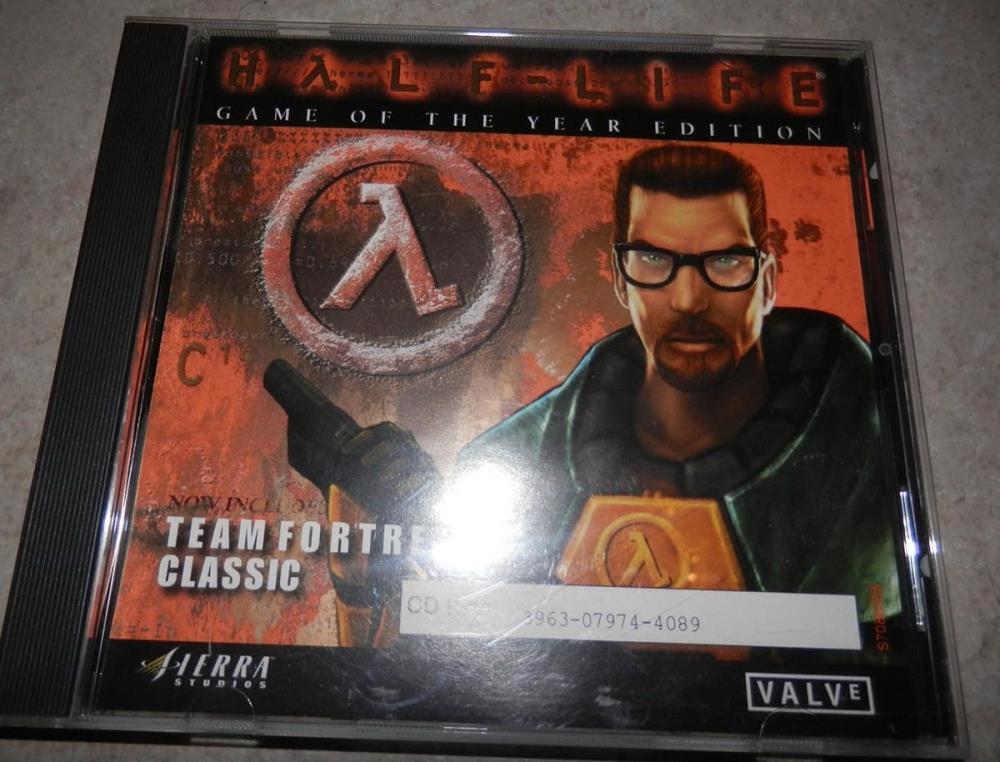
Ten years ago today the gaming landscape was changed forever. On November 19, 1998, Valve and Sierra released Half-Life, a first-person shooter that relied heavily on scripted sequences to tell the story of Gordon Freeman, a physicist at the mysterious Black Mesa Research Facility who is forced to flee after an accidental "resonance cascade." The game was quickly hailed as an instant classic and is still considered one of the finest first-person shooters, spawning multiple sequels and making the silent (but still deadly) Gordon Freeman a gaming icon.
One of the biggest reasons the game was a hit was its use of scripted sequences and dialogue -- rather than the cut-scenes used in many other shooters of the time -- to tell the story and advance the plot. As the game's writer, Marc Laidlaw helped to usher in a new era of narrative-driven gaming, and the industry hasn't looked back since. GameSpy recently had the chance to sit down with Laidlaw to talk about the game's longevity, his inspirations, and why they won't be seeing a "Half-Life" novel anytime soon.

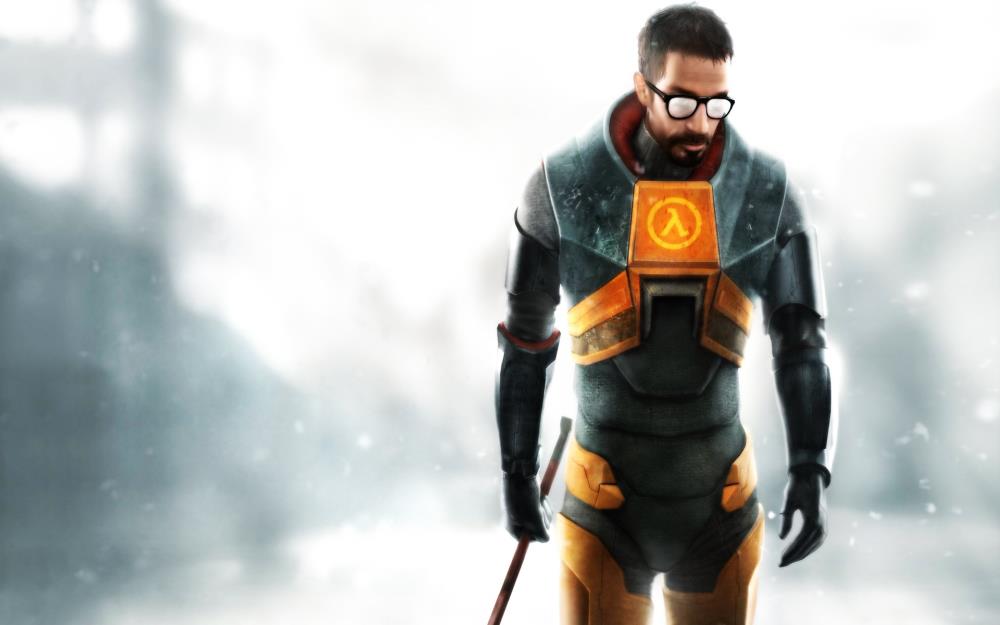
Half-Life 3 may not be too far away from release, as the game suspected to be the third entry in the series has entered the optimization phase.


That one episode of Billy & Mandy where the very fabric of reality was destroyed when Mandy smiled. That's what'll happen when Valve finally counts to 3.
Is this kinda like when it was supposed to be at the 2024 TGAs?

A prototype build of the Half-Life expansion, Blue Shift, from the year 2000 has found its way onto to internet.
The Untold Story Behind a Meteoric Rise