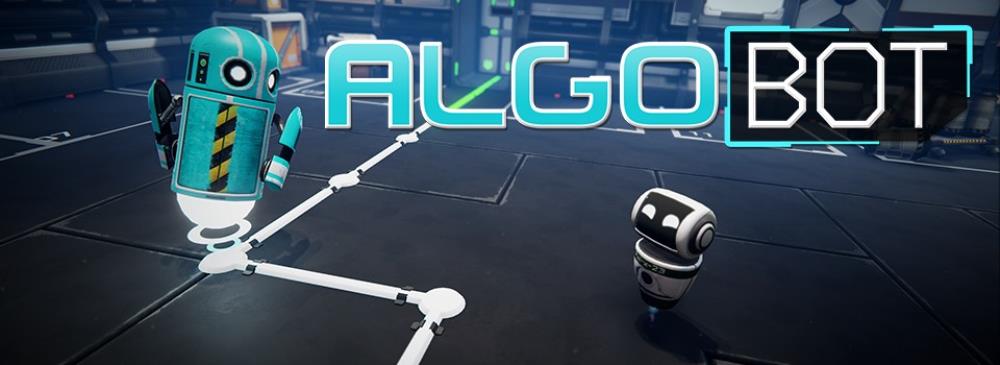
The idea of an "edutainment" game is more times than not lacking strongly in the -tainment portion of the name. While there are exceptions to this, the bar for success is undeniably higher. Algo Bot does a good job of raising past that bar.

This week Tiara(@DigitalTempest) from BiblioSanctum and Red(@RedinFamy) from GeekGameTyte joins Mike(@AssaultSuit) and Aaron(@Ind1fference) to talk about: Magical Tetris Challenge starring Mickey Mouse, Marvel vs Capcom 2, Bibliosanctum, GeekGameTyte, Star Wars books, Mass Effect books, Star Wars The Last Jedi, GeekGameType, E3, Nintendo Direct, Inside Xbox, Crash Insane Trilogy, Anthem, Scalebound, Alan Wake, PS Vita, Soul Sacrifice, Extra Life United, WarioWare Gold, Luigi’s Mansion, Sega Master System, Dreamcast, Super Mario Odyssey, Kirby Star Alies, Crash Bandicoot, Limbo, Final Fantasy XIII, Splinter Cell,The Last of Us, Mass Effect Andromeda, Destiny, Borderlands, Monster Hunter World, Wolfenstein II, Horizon Zero Dawn, Assassin’s Creed Origins, THe Evil Within, Tomb Raider, Resident Evil 4, Call of Duty, Overwatch, Sonic Forces, Dandara, Old Man’s Journey, Algobot, Knockout League, Blaster of the Universe, Sea of Thieves, Bayonetta, Never Stop Sneakin’, Castle of Heart, Fortnite Mobile, Chu-chu Rocket, Super Seducer and more.
ThisGenGaming says: "Recently Ubisoft released a free update for Assassin’s Creed Origins: The Ancient Egypt Discovery Tour. With this new content, we are now able to take guided tours through ancient Egypt and I just LOVED this concept of learning through the powerful medium of videogames.
In this article I intend to explore the added value the medium can have compared to the regular methods applied in education."

Did I miss something incredibly obvious? Please let me know as I'm quite fascinated by the topic!


Well put. You actually hit a lot of things right, in my opinion. And because this is the internet I have thoughts (even though I agree with the majority of what was said).
Games by default can teach us about languages and grammar (for the most part), maps, music (an entire generation was introduced to Beethoven in the original Resident Evil), and improve your hand-eye coordination.
The bonuses would be the ability to show your strengths, if given the opportunity, with creativity and organization.
Classrooms are built around a routine with instructional discussion and language modeling, because let's face it, children need structure.
I think games could teach children in a classroom environment if done correctly, yes. Mainly, though, by building upon the classroom organization (ways to help children maximize learning, maintain interest, and develop skills to regulate their own behavior), but only without replacing the curriculum while maintaining social interaction.
As it stands right now, not everything needs to be replaced with a screen just because it can. Besides, all kids would need glasses before second grade if everything was digital, which is one part of why we still need books.
Still, if educational games were added to an established traditional curriculum then it could work, in theory at least. Just my two cents.

Yes. I'm actually surprised they're not recognized as a valuable education tool. I'm not saying we should do away with classrooms and books, but we now have more resources than ever that can be used to teach any number of subjects, and with those additional resources come more options. Options are good as people learn in different ways. All I'm saying is games are just one of many types of resources that can augment what's already employed in classrooms.
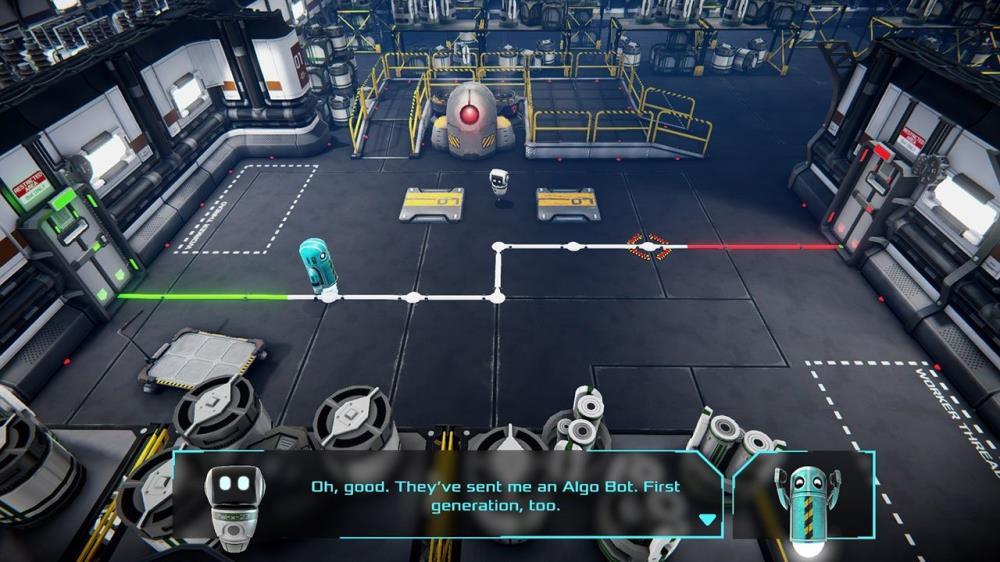
Neocrisis - The days of automation are definitely on the rise. With that in mind, Algo Bot is a perfect example of what could lie ahead.