
Gameumentary: Journalism in video games hasn’t had much to write home about the past few years (pun intended). Gaming outlets, for the longest time, only seemed to focus on what’s big and what’s trendy, foregoing the smaller more intimate stories the industry has to offer. When a new game releases, it’s not uncommon to see a major gaming outlet’s front page literally covered in stories about that game. Of course, that’s all in the name of gathering as much traffic as you can from Search Engine Optimization.
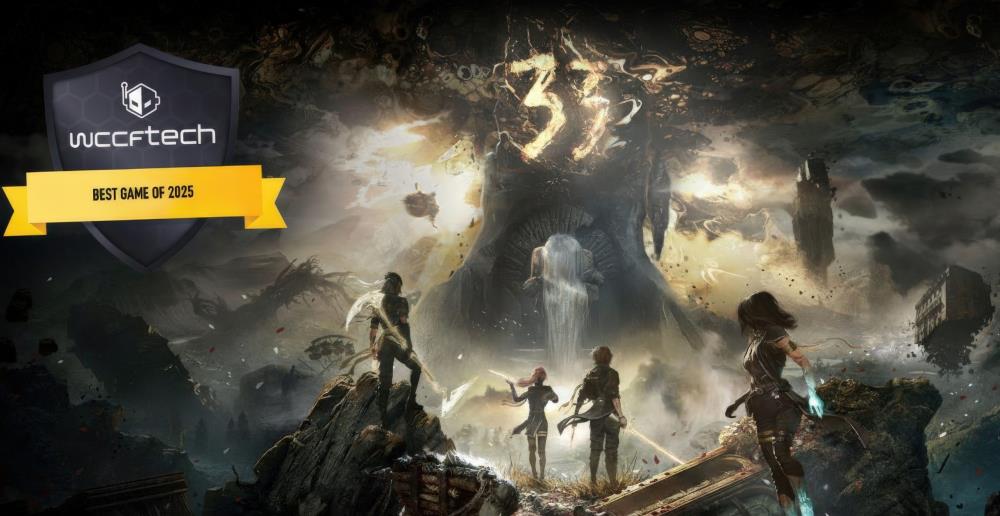
With the 2025 Wccftech Awards GOTY, Clair Obscur: Expedition 33 surpassed Elden Ring as the most awarded game of all time.
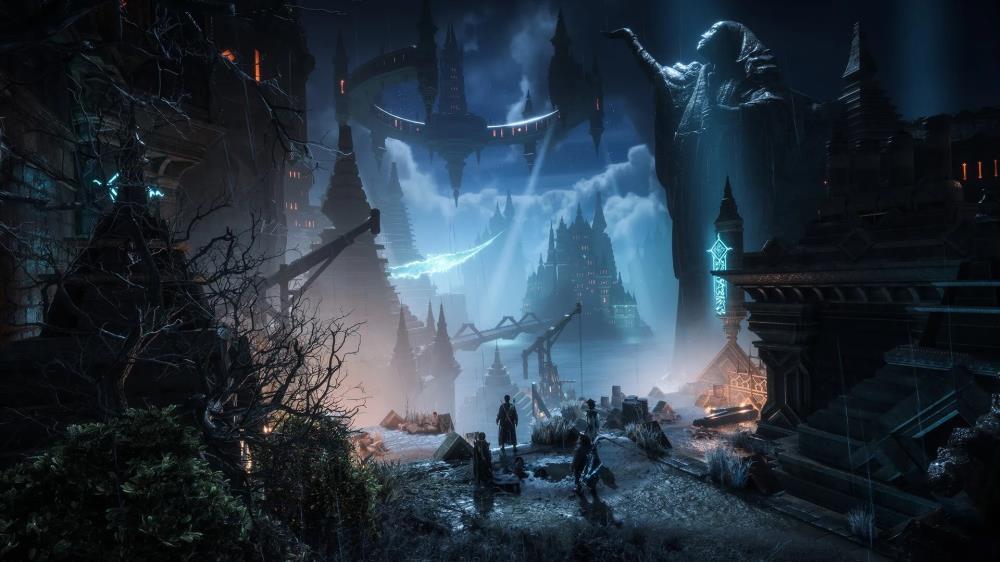
The latest game in BioWare’s fantasy role-playing series went through ten years of development turmoil
In early November, on the eve of the crucial holiday shopping season, staffers at the video-game studio BioWare were feeling optimistic. After an excruciating development cycle, they had finally released their latest game, Dragon Age: The Veilguard, and the early reception was largely positive. The role-playing game was topping sales charts on Steam, and solid, if not spectacular, reviews were rolling in.

Its easy they called the die hard fans people in their nerd caves who will buy anything and then went woke to reach modern audiences....insulting the nerds in their caves along the way showing utter contempt for their fan base. very hapy it failed and any company who insults their fan base and treat their customers with contempt and insults, in future, i also hope fail.

It’s disappointing but not surprising to see what's happening with Dragon Age: The Veilguard and the broader situation at BioWare. The layoffs are tragic — no one wants to see talented developers lose their jobs. But when studios repeatedly create games that alienate their own fanbase, outcomes like this become unfortunately predictable.
There’s a pattern we’re seeing far too often: beloved franchises are revived, only to be reshaped into something almost unrecognizable. Changes are made that no one asked for, often at the expense of what originally made these games special. Then, when long-time fans express concern or lose interest, they’re told, “This game might not be for you.” But when those same fans heed that advice and don’t buy the game, suddenly they're labeled as toxic, sexist, bigoted, or worse.
Let’s be clear: the overwhelming majority of gamers have no issue with diversity, LGBTQ+ representation, or strong female leads. In fact, some of the most iconic characters in gaming — like Aloy, Ellie, or FemShep — are proof that inclusivity and excellent storytelling can and do go hand in hand. The issue arises when diversity feels performative, forced, or disconnected from the narrative — when characters or themes are inserted not to serve the story, but to satisfy a corporate DEI checklist. Audiences can tell the difference.
When studios chase approval from a vocal minority that often doesn’t even buy games — while simultaneously dismissing loyal fans who actually do — they risk not just the success of individual titles, but the health of their entire studio. Telling your core customers “don’t buy it if you don’t like it” is not a viable business strategy. Because guess what? Many of us won’t. And when the game fails commercially, blaming those very fans for not supporting it is both unfair and self-defeating.
Gamers aren’t asking for less diversity or less progress. We’re asking for better writing, thoughtful character development, and a respect for the franchises we’ve supported for decades. When you give people great games that speak to them — whether they’re old fans or new players — they will show up. But if you keep making games for people who don’t play them, don’t be surprised when those who do stop showing up
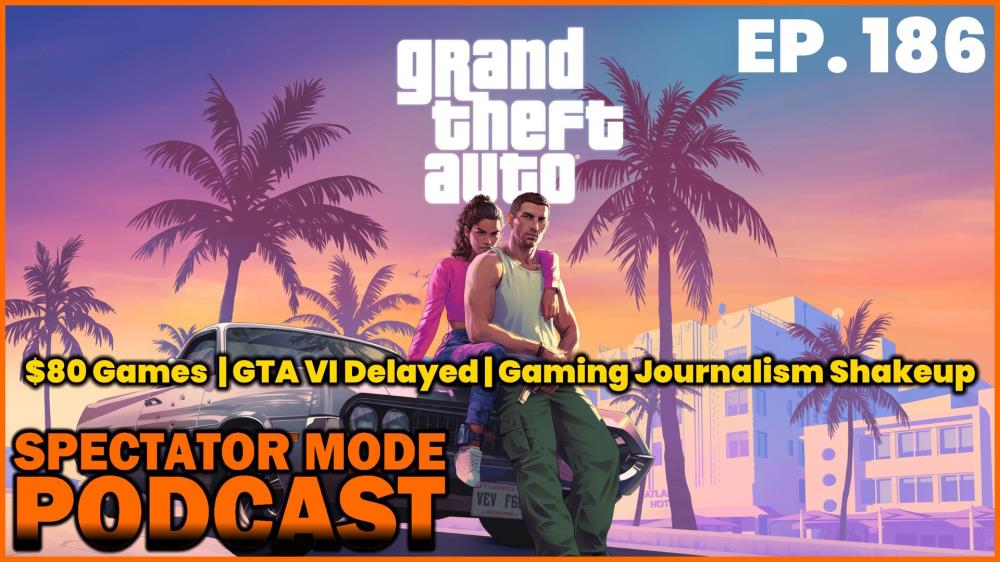
The Outerhaven says: $80 video games, Grand Theft Auto VI delay, Polygon and Giant Bomb gutted, and the lack of crossplay in Elden Ring Nightreign in Spectator Mode Podcast Ep. 186.




I sure hope so. The last few years have been a disaster. I think most of the sensationalism started to really take hold was with the release of Guerrilla Games' Killzone 2. The graphics in the E3 trailer were weak compared to the actual game. And then there was the beginning of the hate boy era, where they claimed the Bullet Trailer wasn't created with the game engine.
Lacking anything substantial, they created a fake story about controller lag, which was quickly and soundly debunked (thanks to youtube videos.)
After that, it went down like the Hindenburg.
n4G should follow IMDBs lead & shut down the comments
I think there's a strong case to be made for premium/user sponsored content these days. Anything that isn't practically demands some kind of shoe-horned in clickbaiting which is a fundamental conflict of interest with quality writing. I'd happily pay for a subscription of some kind of real news and quality coverage.
Too bad quality spelling, on the grand scale, is not. Hilarious how many times I see "professional" journalism with grade 5 spelling and "basic" grammar errors.
Incorrect use of the infamous "there, their, and they're", along with "then and than". Not to be outdone by the phonetic spellers who use "should of" in place of should've.
It's one thing when John Random on the internet misspells stuff like that, but it's another when people who make their living as writers can't spell beyond a grade school level.
LMAO. yea right. smh