
Alan Grant
"Despite being the principal consumers in a global market worth $83.6billion as of 2014, the value of which is expected to increase to $113billion by 2020, gamers are relatively powerless when it comes to shaping policy or politics. "
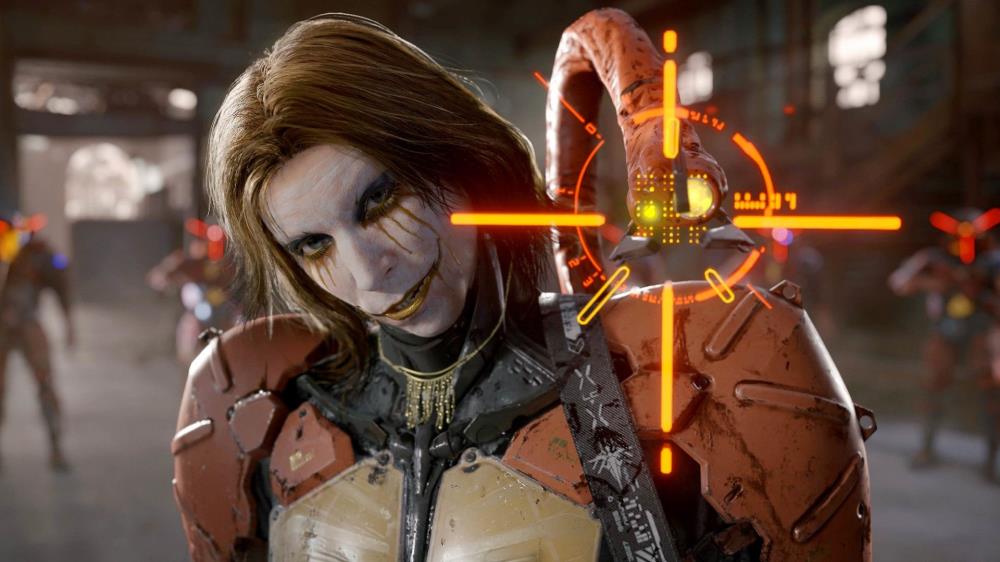
It's important in life to maintain a broad palette when it comes to culture and the arts. Hideo Kojima agrees, as he continues to use video games like Death Stranding to introduce people to music and other elements they might not otherwise discover.
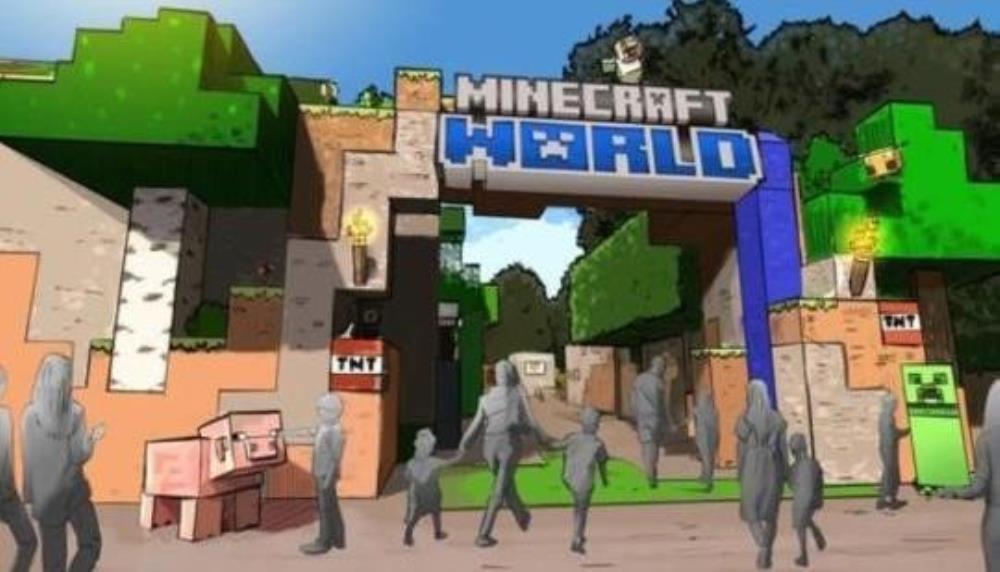
Mojang has partnered with Merlin Entertainments to build the world's first Minecraft theme park in the UK.
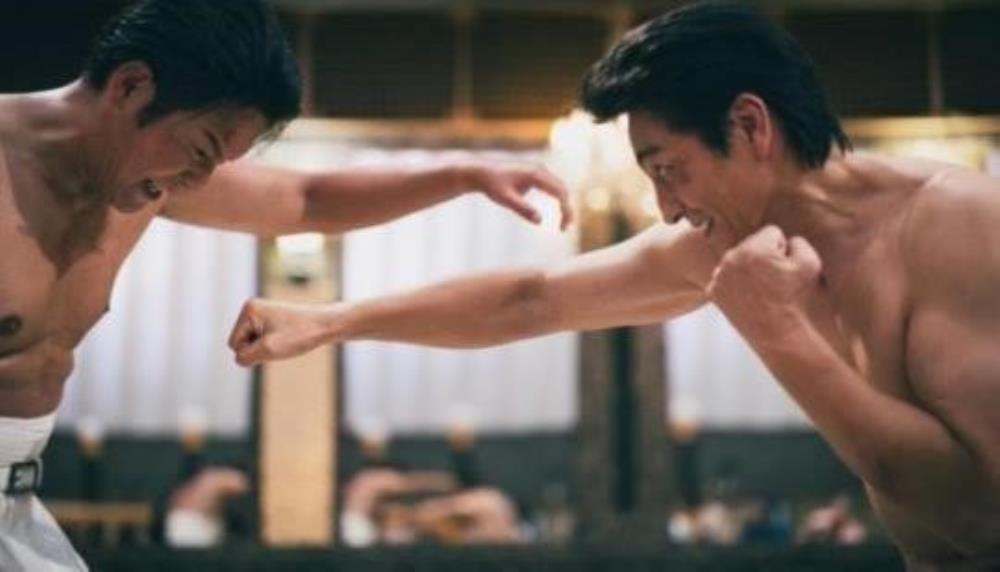
A three-episode live-action adaptation of the first two Yakuza video games will debut Tuesday, March 17 exclusively IGN. Each episode is about an hour long and will stream on IGN.com and IGN’s YouTube channel.





Thus League for Gamers.
I have to disagree with the article when they say the strategy is more subtle now. I feel the approaches taken now to push a political agenda are just as, if not more announced than they were before. The biggest difference though, is as the article states, it's not coming from an politically established organization or person who is seemingly authoritative, but from people who are claiming to be "one of us". This gives them some kind of credence which I have yet to understand, although I do believe that some people asking for equal representation are level headed and doing so as "one of us". Unfortunately, it's the extreme side of the debate which is getting all the attention, and they are doing it in the exact same way, and with about as much merit, as Jack Thompson did back with the violence debate. The moderates on both side of this debate are going mostly unheard, and that means no one has a voice regardless of their take on the issue.
The biggest difference now is that morally offending anyone is becoming a social taboo which too many companies are afraid to tread on. Getting past an advisory board like the ESRB to keep the market open is one thing, but completely changing things to pander to an overly sensitive sub group of the potential customer base is just alienating the much larger target audience of the games themselves.
Otherwise, really good article. If the media would allow the more common gamer's voice to be heard, and stopped dismissing their arguments as sexist or misogynistic, then maybe some headway could be made, and developers could once again be free to make their games, as well as get proper critique from their user base to try and deliver what it is their customers want. All this to-do about how gamers don't need to be the audience, and how different groups need more proper representation is just stagnating what has already become a rather homogenized form of art, and the more developers and publishers are pushed for equity the more everything becomes the same....or boring...not unlike how many of the popular movies all follow the same pattern, and don't feel much different from one another other than the special effects.
I would like to close and say that this article is worth a read. It's certainly slanted to one side of the debate, and I feel it could have cut back on the hyperbole in a couple places, but it's pretty well written and I feel looks at the issue in a way that most people seem to be inclined towards and frames it's arguments cohesively enough to make sense.