Tony Polanco from The Koalition writes:
"Here are all of the questions we answer this week:
*Does The Last of Us really need a sequel?
*Do you guys like to stream and watch other people play games instead of playing yourself?
*Which game borrowed more from the other between Uncharted and Tomb Raider?
*What are your thoughts on Capcom’s new DLC strategy for Street Fighter V?
*Do you think more fighting games will follow SFV‘s type of DLC model in the future?
*What is the most overrated and underrated gaming franchise?
*Is it harder for people on the fence to choose their console of choice when exclusives are eventually heading to competing platforms?
*If Marvel does their own Blade film, do you think they’ll negate Blade: Trinity?
*If you could interview Anita Sarcastic, what kind of questions would you ask her?
*$10 million dollars just dropped in your lap after taxes. What do you do with it?
*You’ve been hired to direct a future super hero film. You have a ton of scripts in front of you. Which one do you choose?"

The story in part 3 of Sony Interactive Entertainment and Naughty Dog's The Last of Us series may explore a "congregation of immune people."

Former Naughty Dog artist Gabriel Betancourt explains why the "sweet spot" for game teams is under 200 people and how AAA "factories" kill creativity.

There’s definitely some truth to this. When teams get too large, coordination starts to outweigh creativity—layers of approval, risk aversion, and tight deadlines can turn bold ideas into “safe” ones. Keeping a team under ~200 people sounds ideal for maintaining clear communication and a shared vision. That said, massive AAA projects also come with huge technical demands and expectations, so scaling up isn’t always avoidable. The real challenge is figuring out how to keep that small-team creativity alive inside big studio structures.
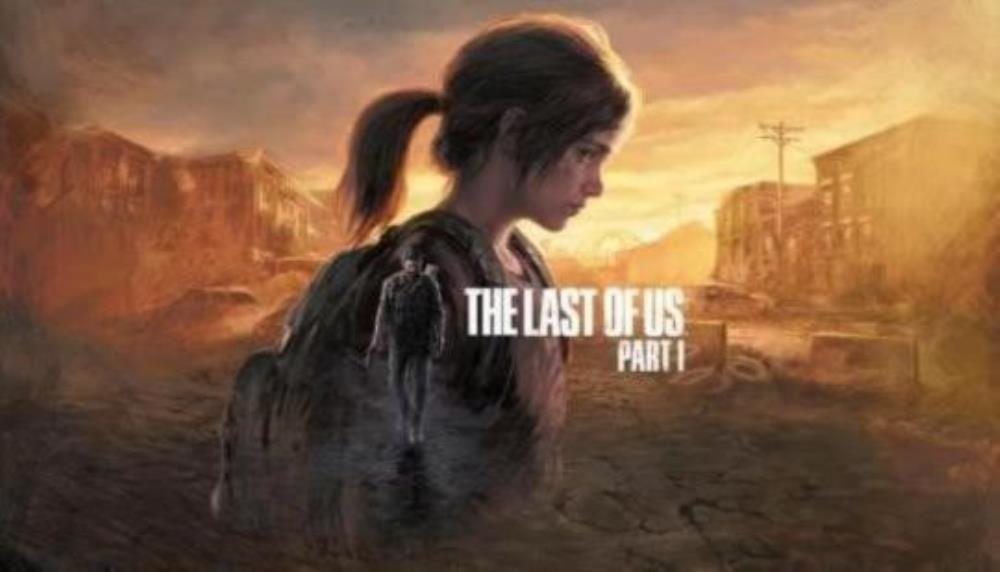
The Last of Us Part I PS5 review covering visuals, combat feel, accessibility, performance modes, and whether it is really worth the asking price of $69.99.