UK videogames industry body Tiga has called for the products to be treated like other creative industries such as television or film, rather than mere “software”.
There is a good argument for this. Games have been part of human civilisation for thousands of years. Egyptians played the board game senet 3 000 years ago, around the same time that Persians played the Royal Game of Ur with dice. Around 700AD, the ancient Indian game of chatarunga developed into the modern game of chess, and India is also the origin of snakes and ladders and ludo.
These games, as much as more recent creations such as Monopoly and Scrabble, have cultural cachet, a place in our society and history. Videogames have fans all over the world — for example, when two Indian brothers launched Scrabulous, a Web-based Scrabble clone for Facebook, they had 600 000 daily players until Scrabble’s owners shut them down. Videogames of more contemporary tastes, for example online 3D shooters such as Call of Duty, have more than 100m players.

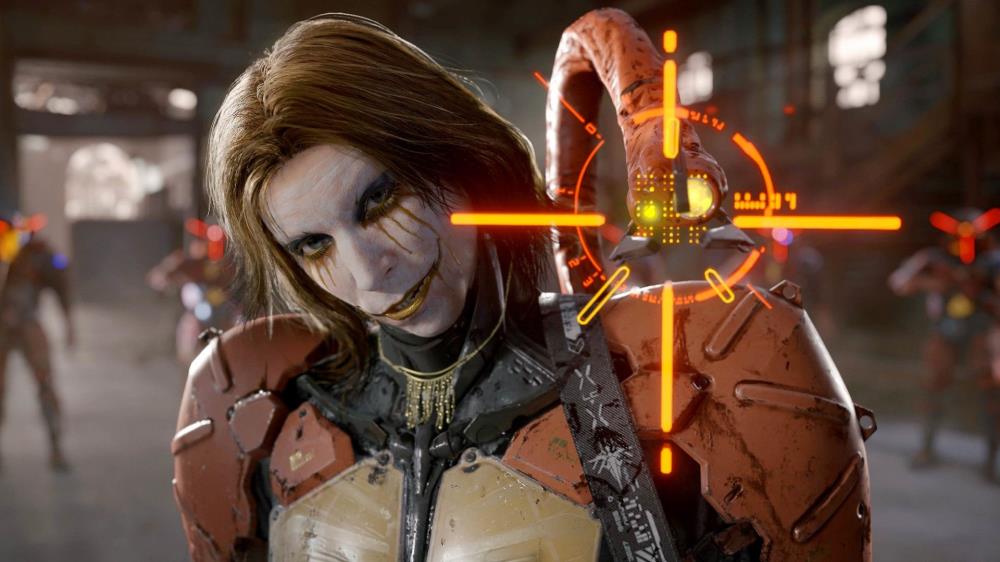
It's important in life to maintain a broad palette when it comes to culture and the arts. Hideo Kojima agrees, as he continues to use video games like Death Stranding to introduce people to music and other elements they might not otherwise discover.
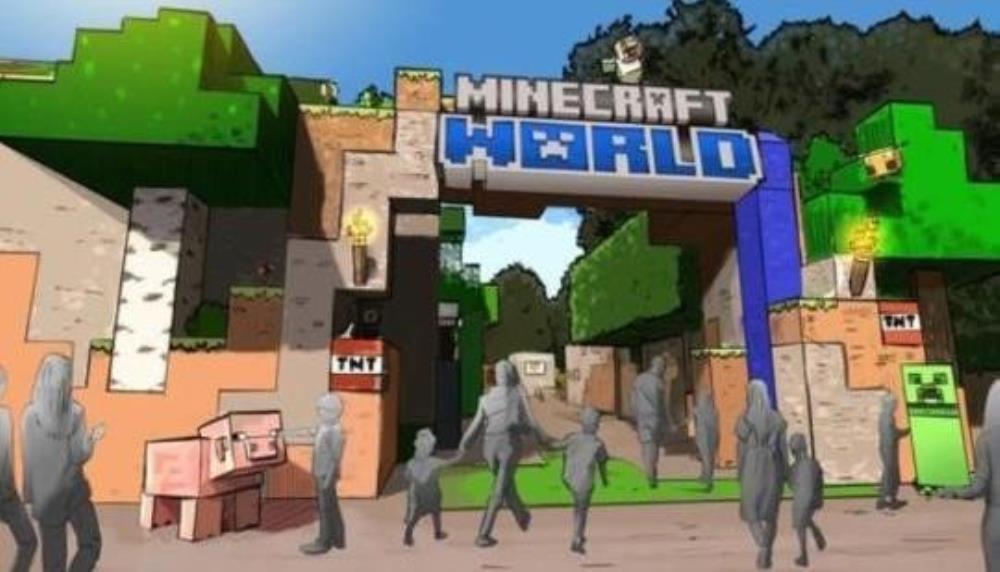
Mojang has partnered with Merlin Entertainments to build the world's first Minecraft theme park in the UK.
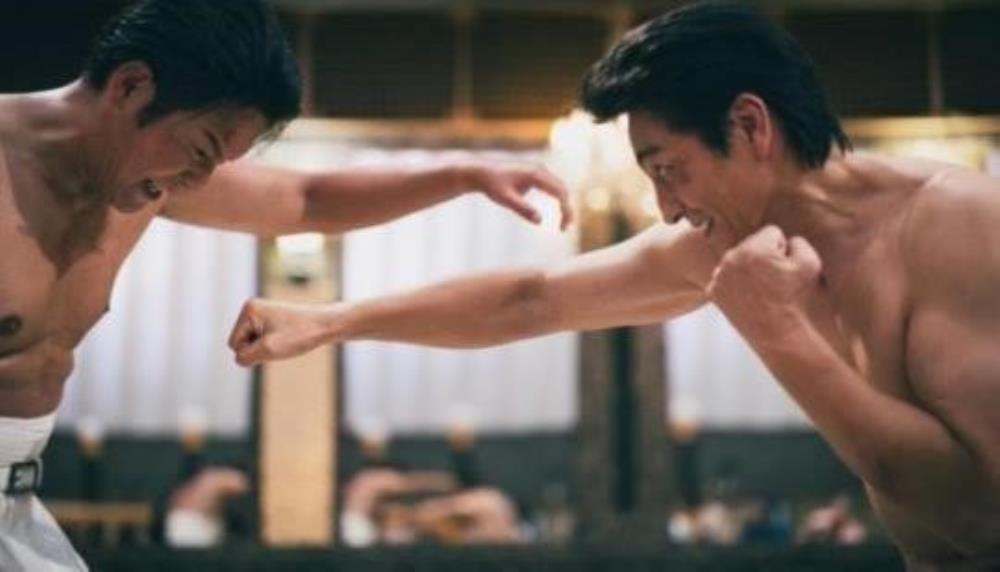
A three-episode live-action adaptation of the first two Yakuza video games will debut Tuesday, March 17 exclusively IGN. Each episode is about an hour long and will stream on IGN.com and IGN’s YouTube channel.