
Hatred, a game where you hunt down and shoot civilians for no reason more than you "felt like it" cannot inspire people to do the same in the real world simply because it is not a book or a movie.
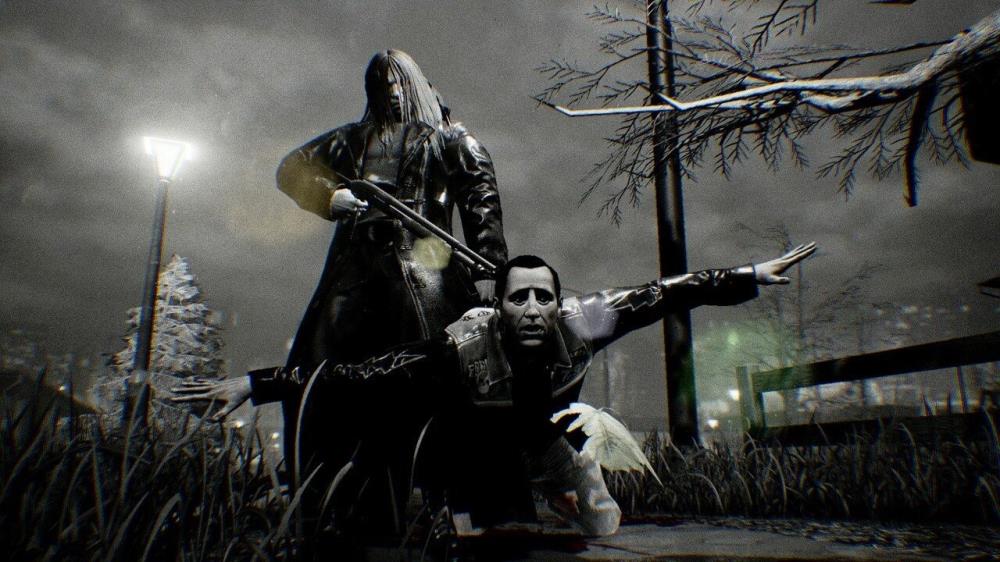
A game about killing people.


This game was just gratuitous violence. I don't know why it was rated AO. It's no worse than a GTA killing spree, Hotline Miami, or even the 'No Russian' COD mission. Reminded my of a weaker Dead Nation except no zombies.

I'm surprised Switch is getting this and PlayStation/Xbox isn't. The game was basically Postal with better graphics and more realism.


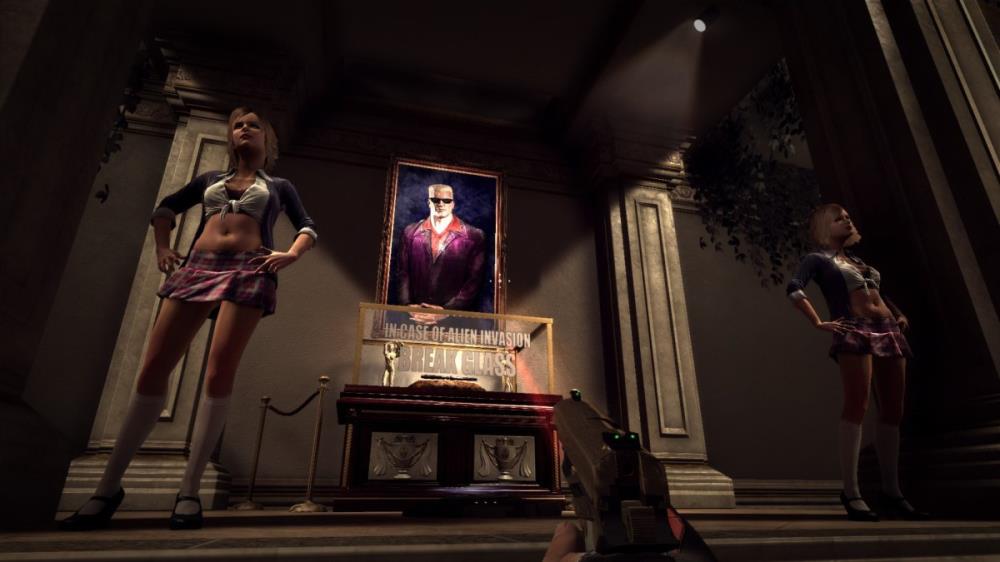
A look at five games that gamers loved but most critics hated.
Advent Rising is another good example. It got panned by critics but it has a good story and I enjoyed playing it. The graphics are dated, the enemies all look the same, but it was made in 2005 so what do you expect? I wish they made the sequel so I could finish the story but I think the critics killed it off.
 Replies(1)


Joanna Mueller writes: "Since the 1980's, video game advocates have been arguing for the protection of games as a medium of free speech. Frankly, I consider myself in that camp, but just because a game can push against the boundaries of common decency doesn't mean it should. Especially if the developer is just hoping to ride the wave of pearl clutching controversy to the bank."

Nothing wrong with pushing for controversy, but the game still has to be worthwhile. Lots of games in the 90s showed that.
Because the novelty will eventually wear off and the audience will eventually wise up.

So what? If there's a market for something then why should anyone care if it gets filled, as long as it's not something illegal? You can dislike so-called "edge lord" games all you want (in fact, you can like or dislike whatever you want, full stop) but even if games like Hatred are just trying to take advantage of anti-SJW backlash to make a quick buck, the fact that they exist at all is important in a culture that's becoming increasingly puritan and censorship orientated. Art is supposed to push the envelope. It's supposed to make you think. And even if all a game makes you do is think about why certain people are so desperate to ban it.





I agree but that isn't the problem. The problem is the Media BSers like Fox News trying to blame violent video games for mass murders. Last thing we need is a game with a main focus on mass murders of civilians.
This will just add more fuel to their fire. They've finally died down.
I guess somebody can make it if they want , and people can play it if they want , but it kinda creeped me out a bit , and not in a good way....
He's right. The people to blame for mass murders are the enablers (those who supply firearms to those who clearly shouldn't have them) I'm not saying firearms should be banned. But rather more strict guidelines and screenings should be made. Let's face it people YOU DON'T NEED A GUN.
Sure it could inspire killings. Suppose you're batshit crazy and you've kind of been thinking about killing some people, then you get this game and people are begging for their lives and stuff and you think, hey that feels pretty awesome, maybe I'll do this in real life.
I don't think it should be banned and I'm kind of looking forward to giving it a try, but it certainly seems like it could sell a potential murderer on the idea of actually killing people.
This has nothing to do about belief. Any neurologist, neuro-scientist and psychologist worth his salt, will tell you that the human brain doesn't work that way and that to become a murderer, or physically violent, you have to have a predesposition for it. It is something born either out of an individual being born with affinity towards it and lacking the control switch for the killer instinct that most people have,
or an individual being mentally broken by a multitude of bad life experiences and bad decisions with a buildup till the snap happens.
At most they serve as a drop in an already filled cup of water that would spill anyhow, or a device that lets off the fume of an aggressive person, the effect depending and varying from individual to individual.