
From GamesReviews:
"One of the biggest topics in gaming over the past few years is the evolution of how video games are becoming more like movies. Some see this as a positive because it shows the evolution and progression of gaming, while others see it as a negative, saying that it represents a culture that is trying to change itself into something it isn’t. I think this is wrong. Games aren’t becoming more like movies, they’re just adapting elements from a successful medium to improve themselves, and there’s nothing wrong with that."
The story in part 3 of Sony Interactive Entertainment and Naughty Dog's The Last of Us series may explore a "congregation of immune people."


Former Naughty Dog artist Gabriel Betancourt explains why the "sweet spot" for game teams is under 200 people and how AAA "factories" kill creativity.

There’s definitely some truth to this. When teams get too large, coordination starts to outweigh creativity—layers of approval, risk aversion, and tight deadlines can turn bold ideas into “safe” ones. Keeping a team under ~200 people sounds ideal for maintaining clear communication and a shared vision. That said, massive AAA projects also come with huge technical demands and expectations, so scaling up isn’t always avoidable. The real challenge is figuring out how to keep that small-team creativity alive inside big studio structures.
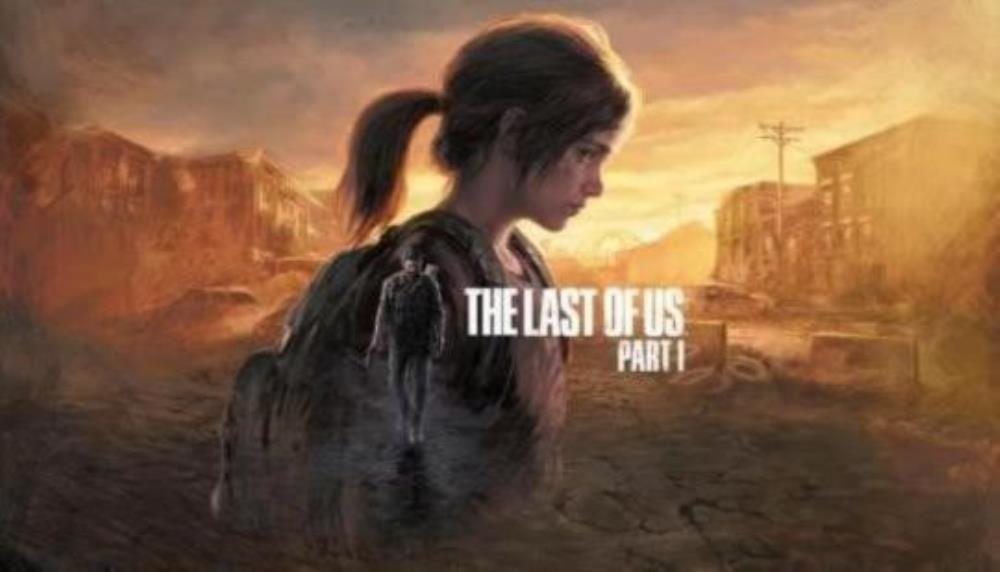
The Last of Us Part I PS5 review covering visuals, combat feel, accessibility, performance modes, and whether it is really worth the asking price of $69.99.




Only with the developers willing to tell a story, from indie games to the big ones, there are plenty of hardcore story tellers that will only get better with hardware enchancements.
I already prefer the way video-games tell stories than how movies do, I get much more personally invested when I take the role of the characters in the story, and The Last of Us showed us that people are interested in the story telling aspect of games, and I'd happily support a healthy future of story based games.
Games aren't evolving by adapting elements from the movie medium if adopting those elements also ends up in gameplay being dumbed down and reduced, assuming the product is marketed as a proper game and not a cinematic experience. They are called "games" for a reason. Gameplay comes first and foremost, the rest follows depending on the depth, passion and talent of the developer.
That's the problem, and this is why the term "becoming like movies" exists. When gameplay is treated as just a lazy addition or a secondary focus that might as well not exist in a game when it is a linear movie by majority, then you call that "a game becoming a movie".
There is a difference between a game adopting elements from a medium, and movies adopting gameplay elements.
THat's highly subjective. There are some rather brilliant Videogame stories out there already. But i think Graham Lineham said it best. Things won't improve untill gams writers start basing their stories on literature instead of films.
Some of the best games of the last few years were based on books.
The last of us answers the question which is : Yes
Some of the video games I've played have way better stories than all the blow ups I see from hollywood. There's def still more great stories to come from games