Out of the current line-up of indie developers, Cliff Harris is among the longest serving.
In his past he has worked for Lionhead of Fable fame, but now he is a lone gun.
His outfit, Positech, is a stark contrast to that triple-A studio. On its website, you will see a ‘No Corporate Nonsense’ section, denouncing brand statements and the like – ironically, in itself, a brand statement.
“This is a company based around making the kind of games that I want to play whether or not that’s the most corporate sensible thing to do,” explains Harris.

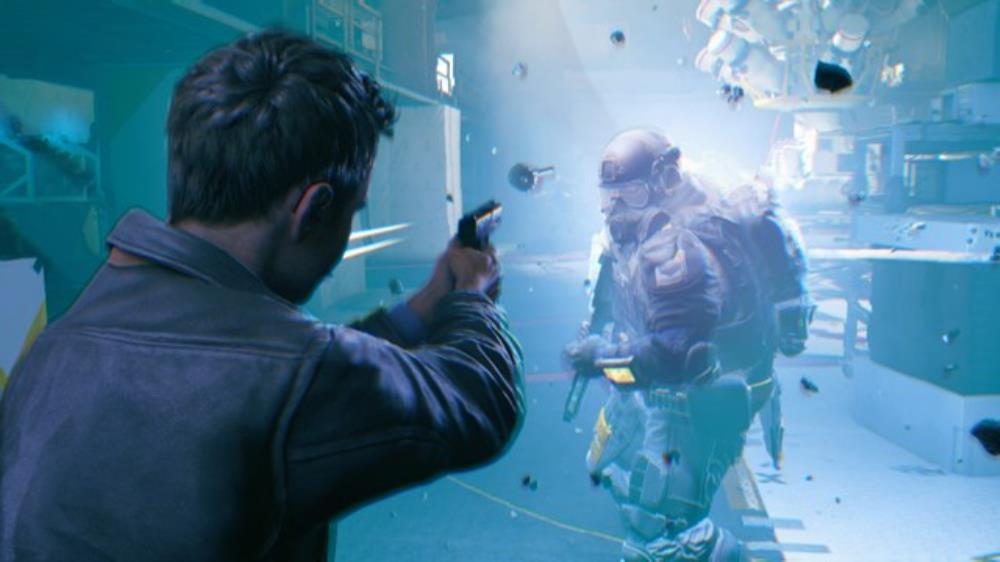
For all the challenges Microsoft has faced in the story of Xbox One, there’s no denying that the tech giant has been open to change.
Its latest push on the gaming front is to unite its Windows 10 and Xbox One ecosystem with UWP – its new Universal Windows Platform. This will see developers making games using the Universal Windows Application (UWA) framework, which allows developers to make a game that will work on both Windows 10 and Xbox One with little in the way of issues.
“I like the idea of one big platform and knowing that the audience for your game isn’t just Xbox’s install base – it’s everyone,” BAFTA-winning developer Dan Pearce says.


 Replies(1)
No, Microsoft will be forced to make the Windows store as open as possible. Just like Steam which started as a closed gaming service became an open gaming service. In a year or year and a half mods, graphical scaling, sli/x fire, etc. will be implemented onto "The Microsoft Store".

Last week, Cliff Harris' Positech Games launched Gratuitous Space Battles 2 on Steam. It was the first full game the developer had launched on Valve's storefront since 2013's Democracy 3. Over the weekend, he posted a blog entry with his takeaways about how the experience of launching a game has changed in that span of time.