
CVG writes about the "Live Arcade release of indie sensation Darwinia":
Darwinia is a world where little computer people mine polygons to fuel their machines and soldiers fight a computer virus with space invaders providing the air strikes.
Introversion released Darwinia on PC and Mac in March 2005 and shortly after met with Microsoft's Ross Erickson, then boss of what would become Live Arcade. As Mark explains, "Chris and I took the PC version of Darwinia and demoed it to Ross. He loved it and asked us to put together a document explaining how we could sex it up a bit for the 360 and how we would implement a 'multiplayer component'."
The multiplayer component given life by Microsoft's interest in Darwinia accounts for the Multiwinia half of Darwinia+ on Live Arcade. The other half is the classic PC Darwinia RTS, now a very different game to the one released in 2005. "I suppose you could call it an (ongoing) experiment if you wanted to avoid the truth. The truth is we made some mistakes in the early days and really messed up the first version of Darwinia. That version opened with a view of the landscape and the player is expected to press ctrl+c, and then draw a triangle to make some mysterious "knights" appear. It was expecting far too much of people in the initial stages and it wasn't until we released Prologue that we really got the control system right."
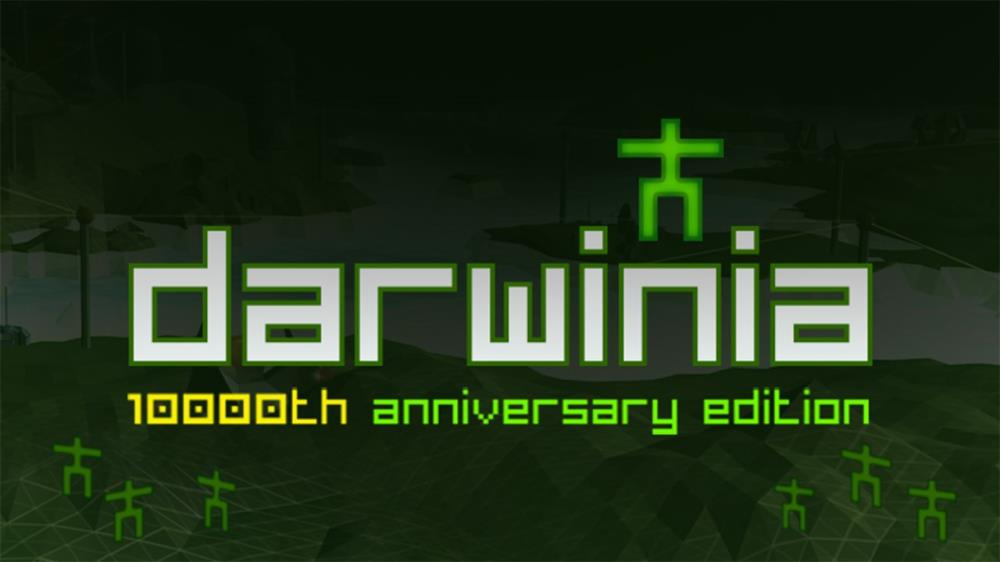
The new version/update of Darwinia will allow both new and longtime fans the chance to experience the acclaimed indie title, now better than ever!
"The UK-based indie games developer Introversion Software and Microsoft today announced with great delight and excitement that the legendary retro-like real-time tactics/real-time strategy game "Darwinia+" is now available on Xbox Series X/S and Xbox One via the Microsoft store." - Jonas Ek, TGG.

EDGE - Darwinia is obviously a love-letter to videogame culture, but it’s also a part of it. It doesn’t just doff its cap to a catalogue of adored classics, it undertakes to capture what made them great within its own mechanics. So your Death Squads are controlled exactly as your men in Cannon Fodder were, and hurling digital grenades into bleeping knots of the Virus has all the tactile appeal of that game’s gratifyingly simple massacres. The Virus itself bears obvious visual similarities to the antagonists of David Braben’s ’80s groundbreaker of the same name, but more importantly it also poses the same sinister threat: no one part of it is formidable, but the volume and voracity of the whole constantly threatens to overwhelm. And a less visual nod to Lemmings – the mechanic by which you command the otherwise aimless Darwinians by promoting a few to direct the rest – pulls the same miraculous trick of making you care for something simply because it refuses to be your puppet.




Introversion's games are always so unique and this one is no different. It was a great game on PC as was DEFCON and Uplink.