The Last of Us has been hailed as one of the defining games of the PlayStation 3, having topped 2013 game of the year lists the world over, Power Nerd included. It was an adventure that took its time to cultivate the relationship between Joel and Ellie, growing from initial distrust to something touching and believable by the end of the adventure. Left Behind unwisely attempts to tug on the heartstrings in its 2-3 hour runtime, focusing on Ellie’s close friendship with Riley before the events of the main game.

The story in part 3 of Sony Interactive Entertainment and Naughty Dog's The Last of Us series may explore a "congregation of immune people."

Former Naughty Dog artist Gabriel Betancourt explains why the "sweet spot" for game teams is under 200 people and how AAA "factories" kill creativity.

There’s definitely some truth to this. When teams get too large, coordination starts to outweigh creativity—layers of approval, risk aversion, and tight deadlines can turn bold ideas into “safe” ones. Keeping a team under ~200 people sounds ideal for maintaining clear communication and a shared vision. That said, massive AAA projects also come with huge technical demands and expectations, so scaling up isn’t always avoidable. The real challenge is figuring out how to keep that small-team creativity alive inside big studio structures.
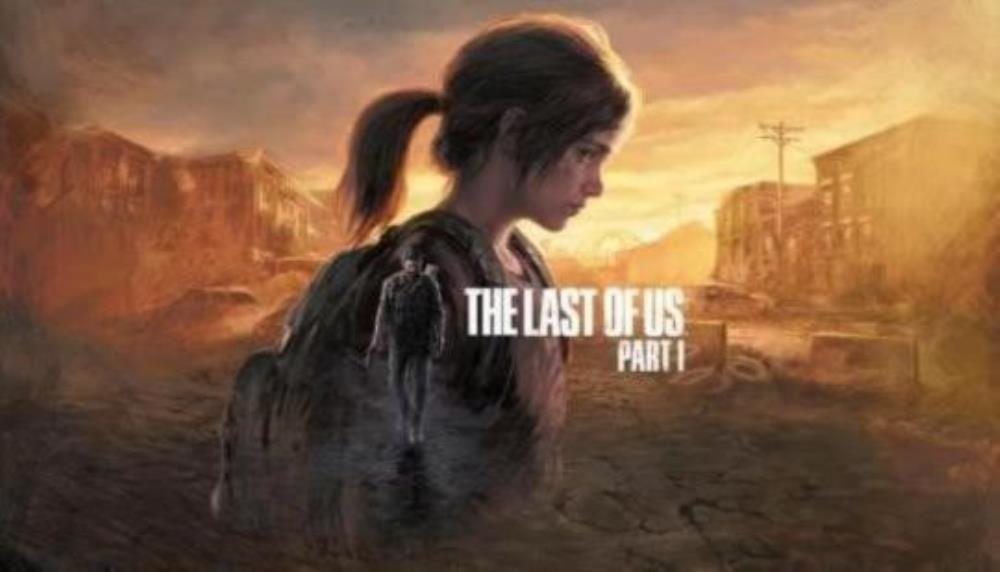
The Last of Us Part I PS5 review covering visuals, combat feel, accessibility, performance modes, and whether it is really worth the asking price of $69.99.