
Video games have often been decried as "murder simulators," but how many actually ask the player to kill without provocation?
This article looks at a few examples, and then zeroes in on The Last of Us - and the problems its ending presents for the author.
The story in part 3 of Sony Interactive Entertainment and Naughty Dog's The Last of Us series may explore a "congregation of immune people."


Former Naughty Dog artist Gabriel Betancourt explains why the "sweet spot" for game teams is under 200 people and how AAA "factories" kill creativity.

There’s definitely some truth to this. When teams get too large, coordination starts to outweigh creativity—layers of approval, risk aversion, and tight deadlines can turn bold ideas into “safe” ones. Keeping a team under ~200 people sounds ideal for maintaining clear communication and a shared vision. That said, massive AAA projects also come with huge technical demands and expectations, so scaling up isn’t always avoidable. The real challenge is figuring out how to keep that small-team creativity alive inside big studio structures.
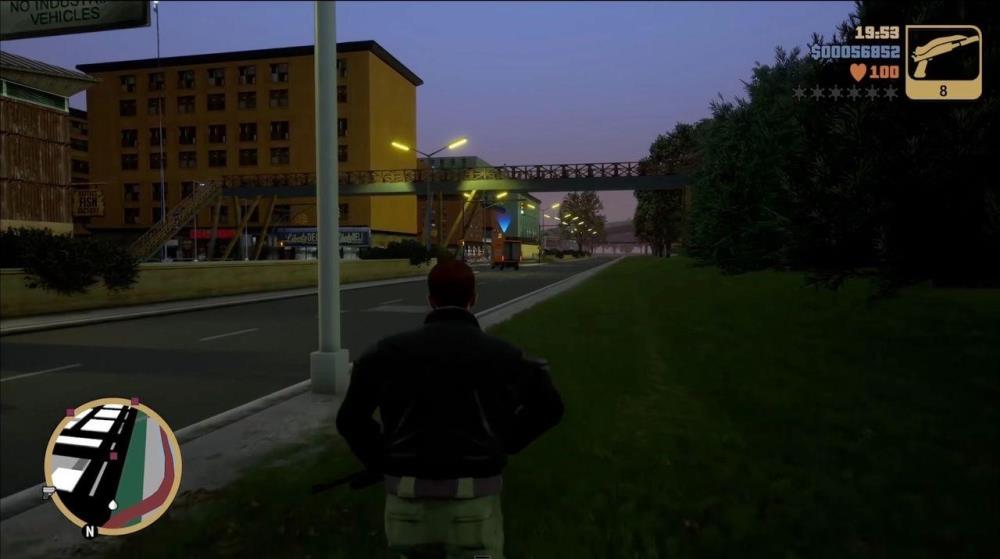
The second part of GTA BOOM's interview with Obbe Vermeij where they turn from origin stories to craft. Specifically, how early GTA games created the illusion of life, and why that illusion still matters more than brute-force simulation.




You can tell fantastic stories through violence. Just like The Last Of Us. Even though article did criticize it for not giving the player any choice in the end. But that's the point: Some games are about creating your own story. RPG's mostly but there's also games like heavy rain.
Then there's games that tell the story of the characters. Not your story, the characters's story. And this is what the writer didn't realize. TLOU is a story about Joel and Ellie and at the end Joel made HIS choice. Yes, you have to play through the ending no matter what you feel about JOEL'S choice but still.