2013 was an interesting year. Alot of great movies and games were released as well as new consoles, but ultimately what Chris remembered about the year is the new tech that he grabbed. He purchased a new Alienware laptop, a new Xbox One and have been enjoying watching Blu Rays in 3D. But probably the most shocking thing to him was how much he has enjoyed his new Nintendo 2DS.
There are a lot of very good games on the handheld that he would have never known about if it weren’t for his brother Chuck looking out for him. From Pokemon to Animal Crossing, Shin Megami to Monster Hunter and Fire Emblem to Donkey kong; the Nintendo 2DS came out of nowhere and changed from something he only had a mild interest in to something he could take with mim everywhere and can play at anytime.

The story in part 3 of Sony Interactive Entertainment and Naughty Dog's The Last of Us series may explore a "congregation of immune people."

Former Naughty Dog artist Gabriel Betancourt explains why the "sweet spot" for game teams is under 200 people and how AAA "factories" kill creativity.

There’s definitely some truth to this. When teams get too large, coordination starts to outweigh creativity—layers of approval, risk aversion, and tight deadlines can turn bold ideas into “safe” ones. Keeping a team under ~200 people sounds ideal for maintaining clear communication and a shared vision. That said, massive AAA projects also come with huge technical demands and expectations, so scaling up isn’t always avoidable. The real challenge is figuring out how to keep that small-team creativity alive inside big studio structures.
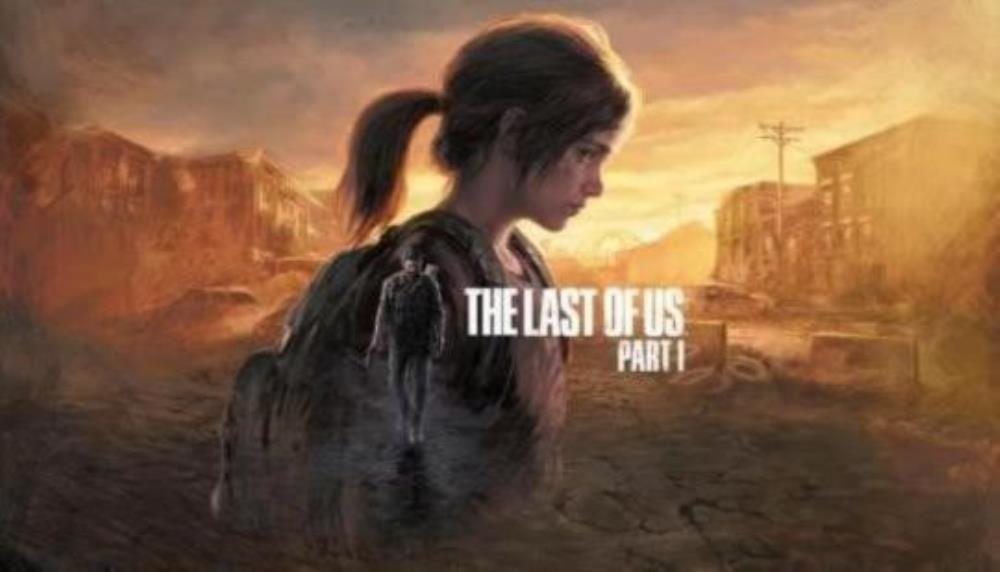
The Last of Us Part I PS5 review covering visuals, combat feel, accessibility, performance modes, and whether it is really worth the asking price of $69.99.