Happening At STFUandPLAY
•Stephen Heller is back to work with us
•Tony loves Bioshock: Infinite
•The Last Of Us: American Dreams #1 review
•Game Of Thrones Spoilercast has begun
•Rikuson1 breaks down the Valrave & Gargantia animes, talks about his platinum agenda & tells us what “Pussy Platinums” are
In other news…
•R.I.P to Lucas Arts
•Nextbox always online rumor bullshit won’t go away
•No Unreal Engine 4 for Wii U
•David Hayter says goodbye to Metal Gear Solid franchise
•Bruce Timm leaves DC Animation
•Young Justice & Green Lantern not dead after all?
•Del Toro doing a Justice League movie?
Listener questions
•What is the game that you know is bad but enjoy it anyway?
•Who is your most underrated super hero?
•Who is your favorite comic book villain?
•Who is the best video game villain?
•What is the best story from an anime?
•What is your favorite game so far this year?
•What are your thoughts on Square-Enix saying Tomb Raider is a sales flop?
Post Show Discussion
•Manny tells us his theory of why David Hayter isn’t in Metal Gear Solid 5.

The story in part 3 of Sony Interactive Entertainment and Naughty Dog's The Last of Us series may explore a "congregation of immune people."

Former Naughty Dog artist Gabriel Betancourt explains why the "sweet spot" for game teams is under 200 people and how AAA "factories" kill creativity.

There’s definitely some truth to this. When teams get too large, coordination starts to outweigh creativity—layers of approval, risk aversion, and tight deadlines can turn bold ideas into “safe” ones. Keeping a team under ~200 people sounds ideal for maintaining clear communication and a shared vision. That said, massive AAA projects also come with huge technical demands and expectations, so scaling up isn’t always avoidable. The real challenge is figuring out how to keep that small-team creativity alive inside big studio structures.
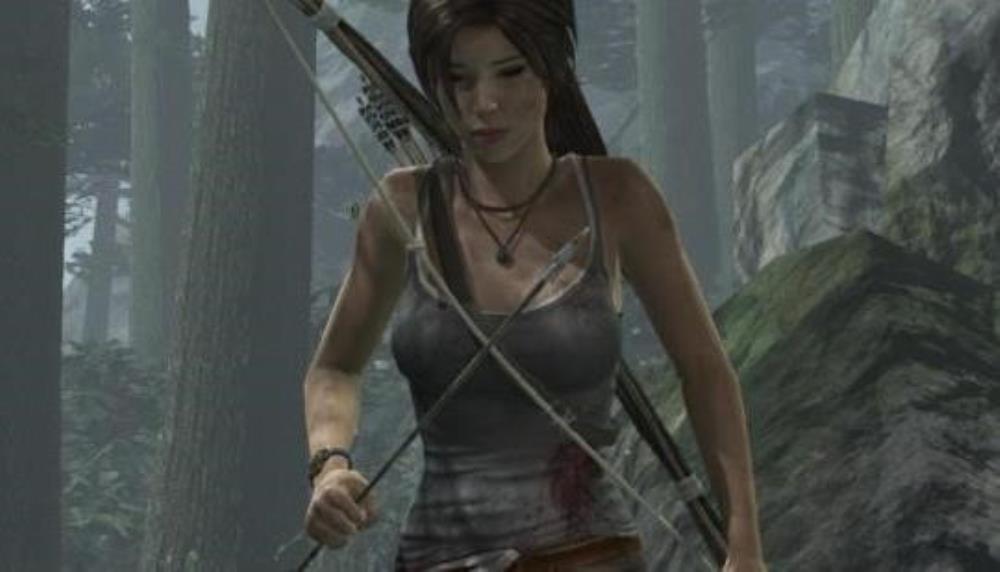
In my Tomb Raider iOS review, I look at whether or not the game runs well enough on mobile to justify parting with your cash.