If you can't beat them join them - after seeing much of its casual gaming target audience defect to the iPad and other tablets, Nintendo is aiming to revitalise its fortunes with the Wii U.

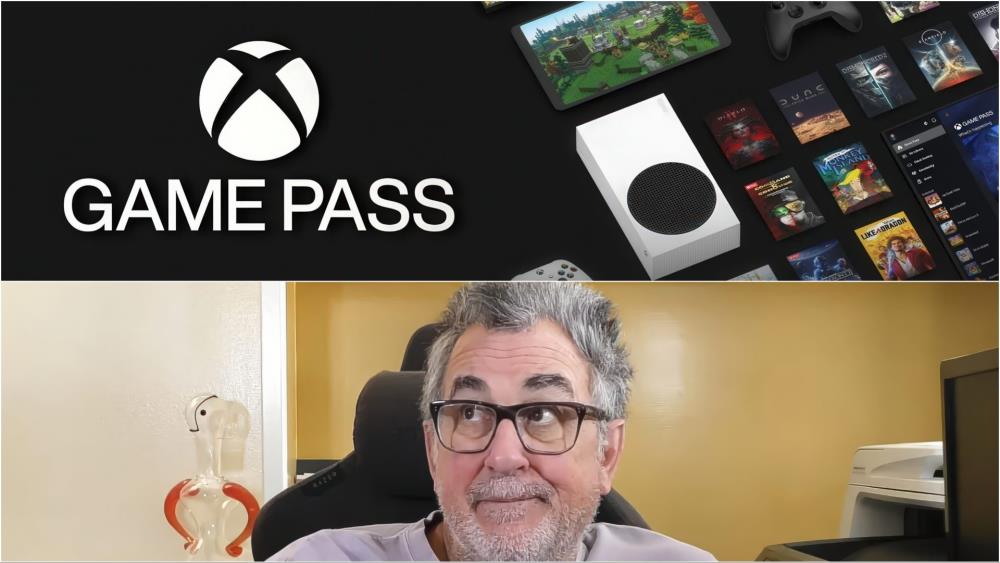
Wedbush Securities analyst Michael Pachter believes the next Xbox console might be already dead due to Microsoft embracing Game Pass at $30.


Wouldn't it be the case of Pachter finally agreeing with parts of us rather than we agreeing with him?
I remember vividly that back in the day when GP was introduced and shaped further, many of us were saying that it's a great service on one hand. But were also already skeptical, too, as to how Microsoft would be able to keep the service running financially in the future.
Or/and how it would affect studios and game development in general.
As of March 2026, I think we have the answers some of us anticipated back then, when it was still Pachter who had forecasted «100 million subscribers».
Likely the next Xbox will have a premium price tag so they have some profit margin on the low numbers they sell. We all know that the bulk of revenue will come from 3rd party sales on other devices and perhaps some from game pass.

And even Gamepass flopped. The end goal of Gamepass was to be hegemonic, to kill game purcahses with subscriptions. But that never happened. Game sales are still thriving, Gamepass' subscriber count has stalled, it's costly for MS and studios and its price is increasing.
The purchase of Activision allows them to hide Gamepass' failure. Not suprising that gamepass was removed from Nadella yearly bonus, they knew they would never hit the targets.

I am not a Pachter fan , but I have to agree...who would have though. It used to be to sell cheaper hardware that is subsidised by First party game sales in the first few years until you can reach millions owning the console and by that time you can cheapen your hardware because the tech have been revised. With gamepass on everything and developers losing sales that option is now limited. With the onset of more options for games and developers going for Gass gambling FOMO style games and dlc consumers have become rightfully picky. Add that to growing hardware prices and escalating ram and pandering to society... it kills a brand. Most og gamers are gonna find you out and stay away. Put on the pressure of companies demanding higher revenue for sales, the poor developer has no other option to put a new coat of paint on a copy of another successful game. Innovation , what we are looking for doesn't happen a lot because the danger of failing could lead to budget cuts and them letting you go...so you play it safe and make a copy of a copy. Yes we get genres and types but 80% is the same game we have had for ages. So then because you are scared you let them put it on gamepass and you know you know at least what you get.
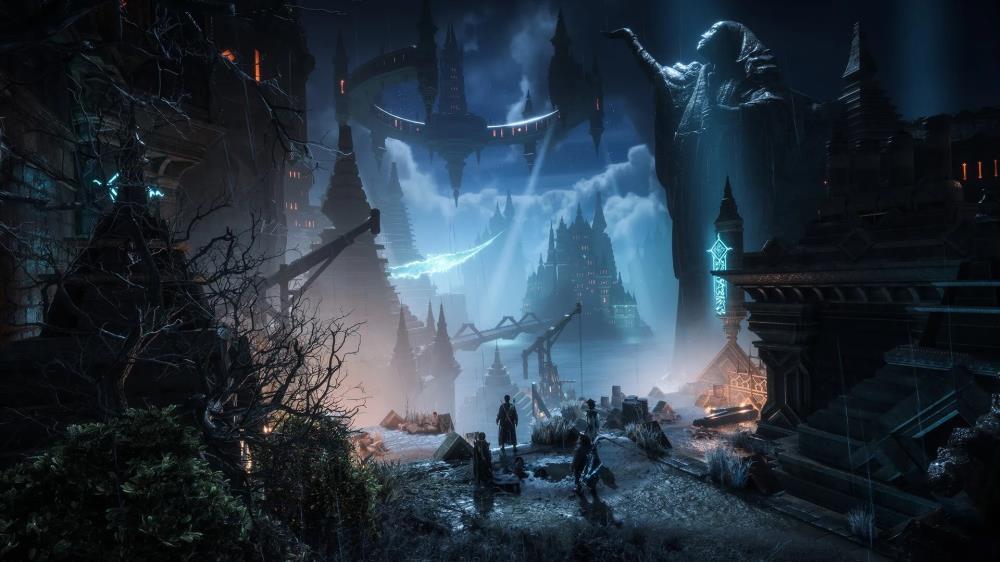
The latest game in BioWare’s fantasy role-playing series went through ten years of development turmoil
In early November, on the eve of the crucial holiday shopping season, staffers at the video-game studio BioWare were feeling optimistic. After an excruciating development cycle, they had finally released their latest game, Dragon Age: The Veilguard, and the early reception was largely positive. The role-playing game was topping sales charts on Steam, and solid, if not spectacular, reviews were rolling in.
Its easy they called the die hard fans people in their nerd caves who will buy anything and then went woke to reach modern audiences....insulting the nerds in their caves along the way showing utter contempt for their fan base. very hapy it failed and any company who insults their fan base and treat their customers with contempt and insults, in future, i also hope fail.

It’s disappointing but not surprising to see what's happening with Dragon Age: The Veilguard and the broader situation at BioWare. The layoffs are tragic — no one wants to see talented developers lose their jobs. But when studios repeatedly create games that alienate their own fanbase, outcomes like this become unfortunately predictable.
There’s a pattern we’re seeing far too often: beloved franchises are revived, only to be reshaped into something almost unrecognizable. Changes are made that no one asked for, often at the expense of what originally made these games special. Then, when long-time fans express concern or lose interest, they’re told, “This game might not be for you.” But when those same fans heed that advice and don’t buy the game, suddenly they're labeled as toxic, sexist, bigoted, or worse.
Let’s be clear: the overwhelming majority of gamers have no issue with diversity, LGBTQ+ representation, or strong female leads. In fact, some of the most iconic characters in gaming — like Aloy, Ellie, or FemShep — are proof that inclusivity and excellent storytelling can and do go hand in hand. The issue arises when diversity feels performative, forced, or disconnected from the narrative — when characters or themes are inserted not to serve the story, but to satisfy a corporate DEI checklist. Audiences can tell the difference.
When studios chase approval from a vocal minority that often doesn’t even buy games — while simultaneously dismissing loyal fans who actually do — they risk not just the success of individual titles, but the health of their entire studio. Telling your core customers “don’t buy it if you don’t like it” is not a viable business strategy. Because guess what? Many of us won’t. And when the game fails commercially, blaming those very fans for not supporting it is both unfair and self-defeating.
Gamers aren’t asking for less diversity or less progress. We’re asking for better writing, thoughtful character development, and a respect for the franchises we’ve supported for decades. When you give people great games that speak to them — whether they’re old fans or new players — they will show up. But if you keep making games for people who don’t play them, don’t be surprised when those who do stop showing up
Wedbush Securities analyst Michael Pachter believes it's an incorrect gamers' perception that Microsoft has lost to Sony.

"If we change what our goal is, we're not losing" attitude. Kind of like how Microsoft didn't lose to Valve, they just changed their business model. And they didn't lose to Android and iOS, they just changed their business model. They 100%, after spending 3 generations competing heavily in console hardware, aren't losing to Sony, they're just changing their business model.
You can't ever lose if you just 'change your business model'!
How's this guy still around. According to him consoles were dying after ps2, ps3 Era.


They only way that plan works is if people still want to play in their ecosystem.
Eventually, they’re ecosystem needs more games.
Helldivers 2 could swing Xbots to ps6 if it isn’t countered by the end of the gen.