
Stevo writes: "From what I understand the classification system is designed to make people aware of the content in a video game, a film or television programme. It helps parents know what games are suitable for minors (which I classify in this case as under-15s) and what games are not. Unfortunately, this isn't working in many cases, and two parties are to blame; parents and retailers."
Microsoft announced its financial results for Q3 of fiscal year 2026, including an update on its gaming Xbox business and more.


Not looking good. Hopefully Asha Sharma is able to turn Phil’s disaster around.


To me it's still quite remarkable how they can cash-in 5.3bn in revenue in a single quarter, since their hardware is basically dead.

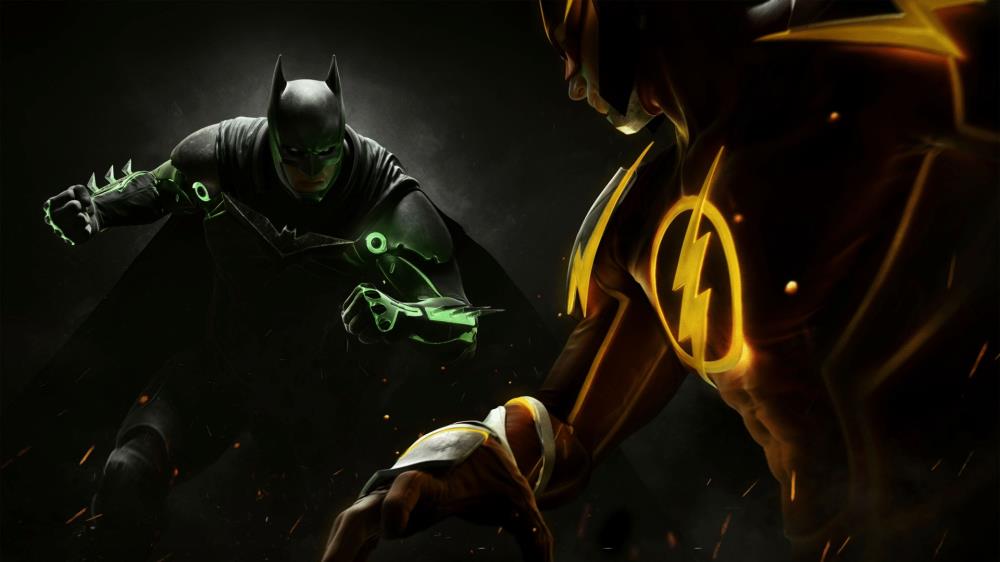
Thanks to the slip-up of an artist working on the title, we now have more evidence that a new Injustice game is in the works.
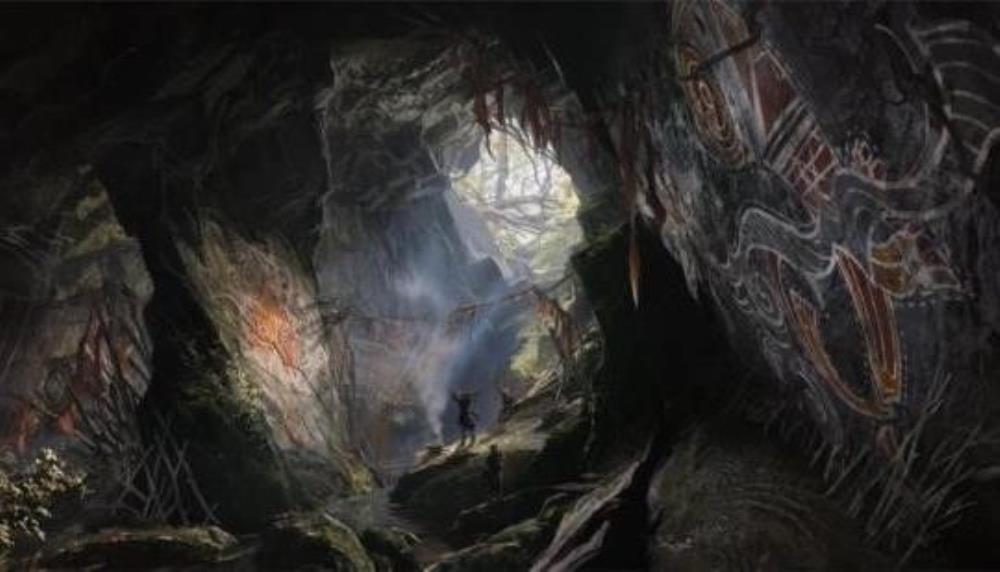
Spiders: "We're going to cut straight to the chase so you're not left wondering: After a long period without clear answers, we have received confirmation that Spiders is being liquidated.
What does it mean? This means the company as a whole no longer exists. We'll cease our functions immediately. The planned DLC will release via Nacon, and then-- well, that's it.
We're sorry that it's come to this and would like to thank each and every one of you for your support over the years.
If you have any questions or run into issues with your games, please contact Nacon directly as we'll no longer be able to reply."




It's the stupid parents buying their 9y/o child a game rated 18.
It is impossible to monitor it no matter what you do.
Parents will lie and say it is for them and go and give it to their child, you can get games online too at this stage no matter what steps you take next it would only hurt the games industry.
Parents are the problem. That's why 90% of Call of Duty lobbies are occupied with obnoxious teenagers with potty mouths...
The reason the classification system doesn't work is because parents don't realistically believe that a video game can have significant affect on their child.
Most parents simply trust their child to be able to distinguish reality from the game - which is relatively easy considering the context in which most games are playable (third person, with a controller, it's easy to detract from an experience that differentiates itself so significantly from reality).
Ultimately whilst the classification system indeed, doesn't work - it's not that big of a deal on video games, which is why it's often taken lightly.
I watched a plethora of violent movies, and played violent video games. As a child. Through primary school friends and I used to discuss games like Manhunt, The Suffering and Nightmare Creatures, back when we were as young as 8-10. None of us are serial killers, I'm not even remotely violent.
While I can say that it IS the retailers' faults if they're not adhering to the rules, no amount of rule-following on their behalf will keep these games out of kids' hands if the parents aren't doing THEIR part.
Indeed, the reason why it's been thrust upon retailers to follow these ratings is because the parents didn't do their homework on games.