
Grumblings have been rife on the internet recently (What’s new?) about reviews and reviewers in the video game industry. Where has the unrest come from?
The trend seems to be that fans will not let their favourite franchise be tarnished in any way by reviewers on websites and printed press. A prime example is the low review scores of Resident Evil 6 on Metacritic which had fans up in arms and crying foul from reviewers judging the game too harshly, they seem to forget that this is an aggregation of all review scores and some will be higher than others.
Omar writes: "With the Horizon Festival coming to breathtaking Japan, you’ll need the essential gear to prove you’ve got what it takes to become a Horizon Legend as you cruise, drift and explore an open world full of spectacular driving experiences. That’s why we’re happy to announce the newest Limited Edition Xbox Wireless Controller and Wireless Headset collection, featuring inspired designs from Forza Horizon 6. The bright cyan and lime colorways celebrate the Horizon Festival’s recognition of iconic cars and hit music, with special features that are sure to impress any collector."

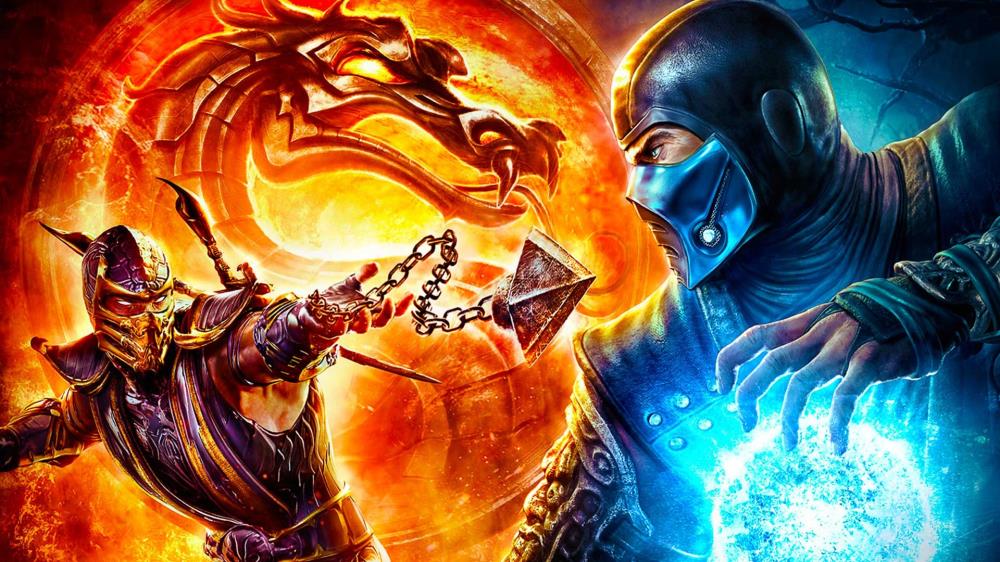
A brutal reset, a smarter story, and a return to what made it great—Mortal Kombat (2011) revived the series.


15 years went by so fast. I remember playing through the story mode at launch.
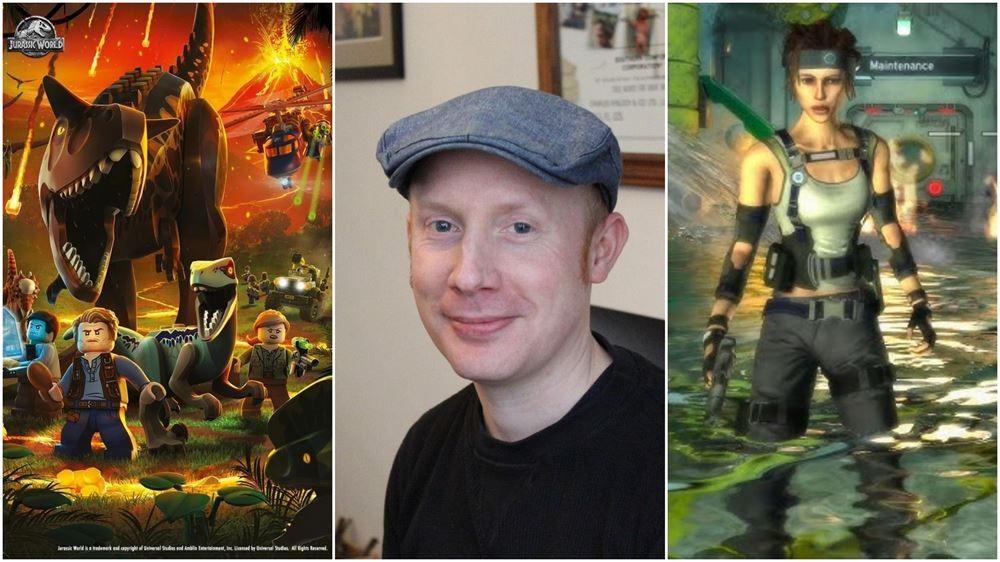
The name "Hewson" carries a special weight for anyone who grew up during the golden age of British computing. As the son of Andrew Hewson—the man behind legendary publisher Hewson Consultants—Rob Hewson didn't just grow up playing video games; he learned to spell his name from their title screens. However, Rob didn't just rest on his family's 8-bit laurels. From leading major LEGO franchises at TT Games to tackling the high-stakes world of technical porting at Huey Games, Rob has carved out a unique path in an ever-evolving industry. In this candid interview Rob to discussed the burden and beauty of a family legacy, the technical "scar tissue" left by the ambitious Hydrophobia, and why porting a masterpiece like Inscryption to consoles is far more than a simple copy-paste job.




I just think this article is pointless...
For example... I love Halo.
Even if the next game sucked... I would still love it like it was the best game ever.
Its just fanboyism.
Decent point, but I disagree with a lot of it. I think a LOT of people forget that reviewers go into every game with an objective. By this I don't mean personality, but how they want to go about the review. Lets look at Biohazard 6.
If you look at it from a "how it works" mindset, it should score pretty high.
If you look at it from a "fans point of view" mindset, it will score low because it's not the game you use to love.
If you look at it from a "*@$! Capcom" mindset, you really have no creditability and thus don't matter.
In the end, people will disagree with any opinion they don't agree with, which is perfectly fine. However, I think some people should reveal how much time they had with the content. All of the high scores with Borderlands 2's DLC made me think a lot of reviewers didn't get very far and just reviewed it after 10 minutes. A lot of people forget that just 1 problem is enough to ruin the game or content. I doubt anyone would say Master Gee in that DLC didn't make them enjoy it less and I'm sure the ending to inFAMOUS sold them on the game. In the end, I always tell people to find reviewers they agree with and stick to their work.
Reviews SHOULDN'T be an opinion. They should review what works and what doesn't. Things can be judges objectively (such as frame rate, UI choices, control sensitivity, and so on).
If someone is in a bad mood when they review a game, it can skew the score. The opposite is also true, and it's not right.
I'm also a huge believer that $$ has a lot to do with it (advertising on a site, for example).
Totally objective reviews are hard to accomplish, and regardless of how fair and balanced you try and be, someone is always going to be unhappy. It's just important to remember that a review is one person's perspective, and reviews should be a guideline, but not the standard, by which one buys games.
Most ratings systems are fundamentally broken anyway. People tend to view 5's or other mid-line scores as a "bad" score, instead of what it should be – middle-of-the-road or mediocre. I think the letter grade rankings work much better, because most people associate a 'C' with being 'average.' It's a shame that so much emphasis is placed on metacritic ratings, even determining bonuses and pay for developers. It's just an incredibly flawed system.
Finally: I think that it would be better for reviewers to be familiar with, or even a fan of, the genre of game they are reviewing. I don't watch sports, nor do I know much about sports, so I wouldn't really have any business reviewing a Madden title. I also don't know much about the higher mechanics of fighting games, or what desirable attributes of fighting games are, so I would just rather leave that alone. By that same token, I see people all the time reviewing, say, JRPGs, and it seems like they went into the review already deciding that they wouldn't like the title, because they don't generally like or play JRPGs. That's rather unfair, in my opinion.