
"It’s within our very nature as human beings to want to categorize games into distinctive categories. If it features experience, leveling and fantasy elements it’s an RPG. Throw side scrolling levels our way and we’ll call it a platformer. And whereas the line between independent and triple A game developers used to be very distinct, it has begun to blur. So the question is then raised, “What makes an indie developer indie?”"
Microsoft announced its financial results for Q3 of fiscal year 2026, including an update on its gaming Xbox business and more.


Not looking good. Hopefully Asha Sharma is able to turn Phil’s disaster around.


To me it's still quite remarkable how they can cash-in 5.3bn in revenue in a single quarter, since their hardware is basically dead.

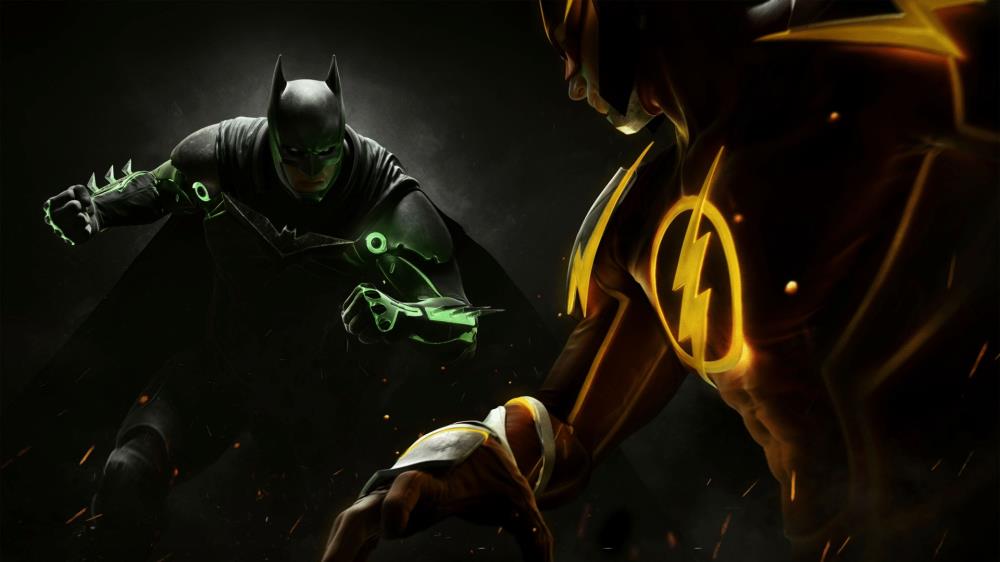
Thanks to the slip-up of an artist working on the title, we now have more evidence that a new Injustice game is in the works.
Spiders: "We're going to cut straight to the chase so you're not left wondering: After a long period without clear answers, we have received confirmation that Spiders is being liquidated.
What does it mean? This means the company as a whole no longer exists. We'll cease our functions immediately. The planned DLC will release via Nacon, and then-- well, that's it.
We're sorry that it's come to this and would like to thank each and every one of you for your support over the years.
If you have any questions or run into issues with your games, please contact Nacon directly as we'll no longer be able to reply."




"And whereas the line between independent and triple A game developers used to be very distinct, it has begun to blur."
No it hasn't. Do you have a comprehension problem or something? Everyone clearly understands the difference between an indie developer and a larger corporate development studio. Where is the confusion?
Definition One from the story: A kickstarter campaign doesn't turn an indie developer into something else. An indie developer doesn't have a contractual obligation to any publisher, and kickstarters are strictly faith based with no guarantees. You are wrong.
Definition Two: Again, an indie developer is quite literally someone who is unattached to any publisher, unsigned in any way. Money is not a factor, whether little or small. I don't think people are thinking "all indie developers are small and broke." Most, however, are small and don't have large development studio or publisher money. Just because an indie developer creates a game that makes a lot of money doesn't mean that that developer is no longer indie. So long as they are not part of any other studio, do not have long and binding contracts to any publisher, then they are indie. A developer can be indie if it makes 2 or 3 games for a publisher, but the very definition of indie is INDEPENDENT.
Third paragraph: So now an indie developer is someone who makes a game that's different than mainstream expectations? NO! An indie developer is an independent developer. They make games how they want to without having someone breathing down their necks to make a certain genre of game, or incorporate specific themes that is based on market research or past trends. Indie developers just make games because they want to and hope that people will like their game enough to make them profitable. That's really all there is too it. Nothing about large funding, or staff sizes, or any of that other malarkey.