
Pixels or Death's Tim Hsu writes:
"By the end of the piece I was convinced that Boone had made a point: video games and the preponderance of the people who play them do so for immersion, suspense, and escape. How they accomplish this is more or less moot in my mind, but for Boone it isn’t. He’s arguing that videogames too often and too easily count on manufactured suspense, tight camera angles, and above-all else violence to accomplish these goals. He decries the lack of attention for games like Ueda’s The Last Guardian and Miyamoto’s Super Mario Bros. games and says that the existence and subsequent dismissal (in so many words) of these titles is undeniable evidence that the art of videogames is ruled by “killers” and not “poets”.
What I’m here to tell you is that this is bullshit."
The story in part 3 of Sony Interactive Entertainment and Naughty Dog's The Last of Us series may explore a "congregation of immune people."


Former Naughty Dog artist Gabriel Betancourt explains why the "sweet spot" for game teams is under 200 people and how AAA "factories" kill creativity.

There’s definitely some truth to this. When teams get too large, coordination starts to outweigh creativity—layers of approval, risk aversion, and tight deadlines can turn bold ideas into “safe” ones. Keeping a team under ~200 people sounds ideal for maintaining clear communication and a shared vision. That said, massive AAA projects also come with huge technical demands and expectations, so scaling up isn’t always avoidable. The real challenge is figuring out how to keep that small-team creativity alive inside big studio structures.
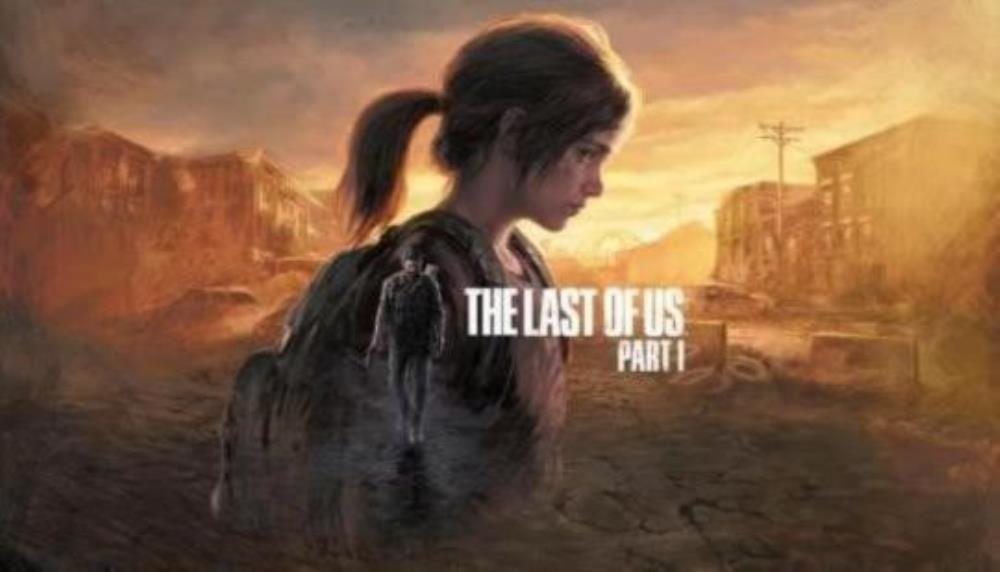
The Last of Us Part I PS5 review covering visuals, combat feel, accessibility, performance modes, and whether it is really worth the asking price of $69.99.




Sony fanboys need to grow up and get jobs so that they can experience other gaming platforms. Then they'll realize that The Last of Us is nothing more a linear shooter with low-res graphics and mediocre gameplay.