
In 2012, video games are firmly ensconced as a mainstream phenomenon. Millions of people play games every day, and the industry has surpassed Hollywood in economic terms . Far from being the territory of pasty-faced basement dwellers, video games have become the dominant form of American entertainment.

According to a survey, 73% of gamers are willing to share their personal data with companies to protect against cheaters in games.


73% of gamers don't understand or care that their data is a product for the company to sell to others and won't actually solve the issue of cheaters.

73% of gamers don't realize that these companies don't need personal data to do their job.


And yet the cheating persists. Idk why we don't just hand this issue with cheaters to the same communities that play these games. All that these multiplayer games need is a spectator mode, and community reporting. There are people within the community that are more than willing to review footage and pass judgement. Add some small incentive. They pay huge licensing fees for these anti cheat programs, they can be paying less if by getting certain members of the community to do a better job.
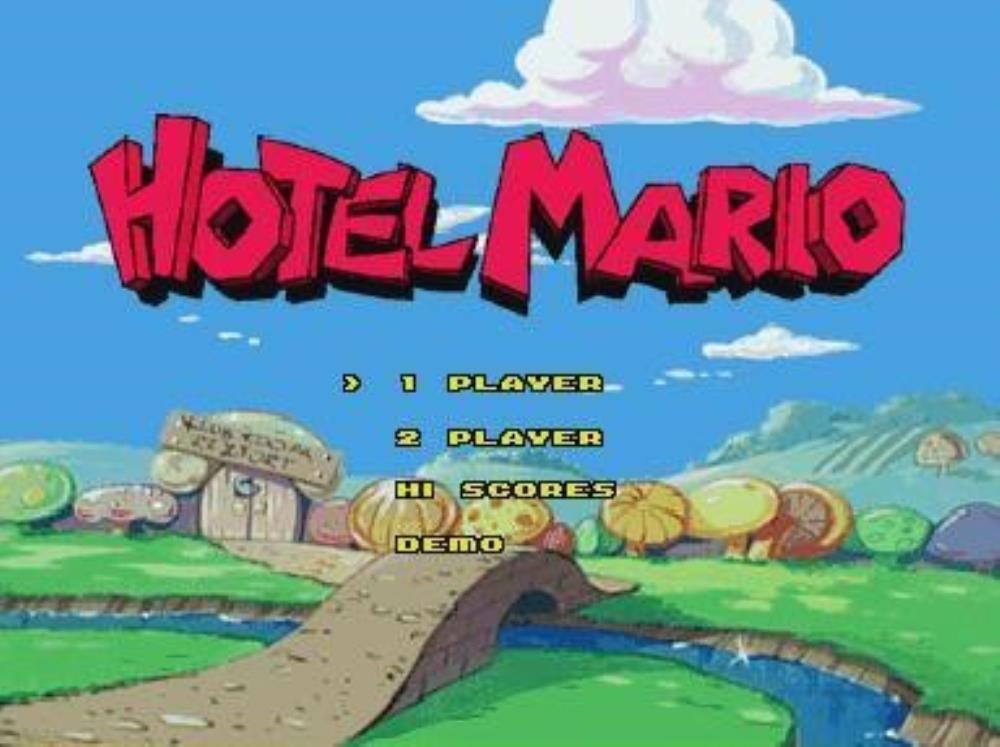
Hotel Mario is one of the most popular, infamous, and memorable video games of the 1990’s. Initially released in 1993 to positive reviews, it has since become a cult classic among gamers for its iconic soundtrack, voice acting, animated sequences, and gameplay. It was released on April 5, 1994 on the Phillips CD-I as part […]


CCG writes - "The goal of From Gamers Magazine is to prolong the lifespan of printed gaming media while bringing back the passionate voice of gamers that is no longer present in other media outlets. From what I’ve read of this 56-page magazine, I think they’re living up to these goals."

Nice read =) And I agree. Me, I haven't bought a gaming magazine in years (PC Gamer Sweden was great for over 20-years time, but then they became "woke" and turned their magazine into pure garbage).




Excellent article. Especially liked this statement: "Even as we decry the rest of the world for failing to open their minds and consider games as art, many of us have already closed our minds to vast portions of the art that we claim to champion."
It's inevitable that as a genre grows, it attracts both intelligent and... less intelligent consumers, but games seem to attract vocal consumers whose playground - the internet - is also the primary forum for the burgeoning artistic movement in gaming. I know I've been guilty of this too, so thanks for calling us out. :-)